

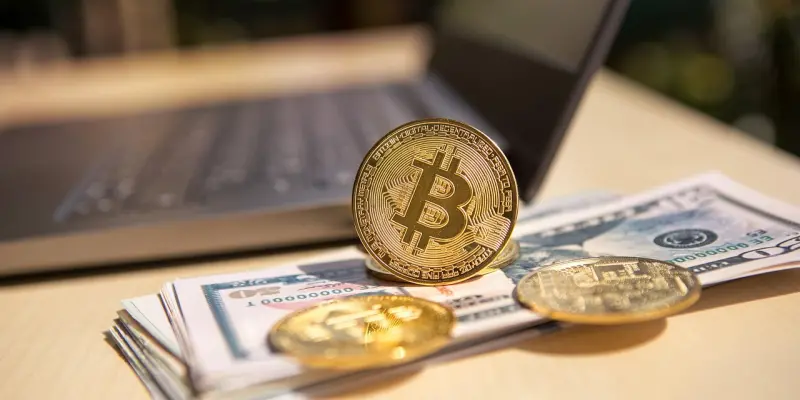
In a surprising turn of events, a long-dormant Bitcoin wallet containing 50 BTC, mined over 15 years ago, has suddenly reactivated, transferring its entire contents. The Bitcoin, initially worth just $0.10 each, has significantly appreciated over the years to a current value of $5 million. The unexpected reactivation and substantial transfer have captured the attention of the cryptocurrency community, sparking a myriad of speculations and discussions. This incident not only highlights the dramatic growth of Bitcoin but also brings to light the intriguing and mysterious aspects of early Bitcoin mining practices.
The decision to transfer the entire amount without first conducting a test transaction is considered uncommon, especially in large transfers. Traditional practices in the cryptocurrency space recommend preliminary test transactions to ensure everything goes smoothly and to avoid any potential errors. Nonetheless, the wallet holder opted for a more direct approach, moving all the Bitcoin at once. This action indicates a deep understanding and confidence in Bitcoin’s protocol features like SegWit, Taproot, and RBF. SegWit, or Segregated Witness, enhances scalability, while Taproot improves transaction privacy. RBF, or Replace-by-Fee, provides flexibility in adjusting transaction fees dynamically.
Historical Context and Technical Details
The funds were transferred using the Pay-to-Public-Key (p2pk) output format, a method prevalent in Bitcoin’s early days but now considered susceptible to quantum computing attacks. This adds another layer of complexity and raises questions about the wallet’s owner. It also underscores the extent of technological evolution within the Bitcoin network, which has continuously adapted to enhance security and efficiency over the past decade and a half. This sophisticated transaction sheds light on both the historical context of Bitcoin mining and the advanced technical acumen of early miners.
Insights from prominent figures in the cryptocurrency world provide valuable context to this transaction. Pete Rizzo, a noted cryptocurrency historian, emphasized that the resurgence of long-dormant Satoshi-era wallets often triggers significant speculation within the community. These wallets, tied to the early days of Bitcoin, carry inherent historical and sentimental value. The mysterious origin of the wallet and its sudden reactivation lead to conjectures about its possible connections to prominent figures like Satoshi Nakamoto, Bitcoin’s elusive creator, or Ross Ulbricht, the Silk Road founder. However, there is no concrete evidence to support these claims.
Community Speculations and Financial Impact
The dramatic $5 million transfer has ignited discussions within the cryptocurrency community about the identity of the wallet’s original owner. While some speculate possible links to Ross Ulbricht, the founder of the notorious Silk Road marketplace, others are more inclined to believe that this could be another of Satoshi Nakamoto’s mysterious wallets. The transaction’s execution and choice of output format further add to the mystery, prompting experts and enthusiasts alike to analyze and hypothesize the underlying motives and identities behind such moves.
Messari co-founder Dan Robustus offers a technical perspective on the transaction, highlighting the advanced features employed during the transfer. The use of SegWit, Taproot, and RBF demonstrates a thorough understanding of Bitcoin protocol advancements by the wallet holder. This not only ensured a seamless and efficient transaction but also showcased how early adopters have kept pace with technological changes within the Bitcoin ecosystem. Robustus’s insights emphasize the sophistication involved in handling large-scale Bitcoin transactions, especially with wallets dating back to Bitcoin’s inception.
The reactivation of the Bitcoin wallet and its subsequent transfer of $5 million underscore the massive return on investment for early Bitcoin adopters. It paints a vivid picture of Bitcoin’s evolution from a near-valueless digital currency to a significant financial asset. The incident also serves as a reminder of the ongoing mysteries surrounding early Bitcoin holders, whose identities and motivations often remain shrouded in secrecy. This event has opened up discussions about the broader implications for the cryptocurrency market, highlighting both the potential profits and the enigmatic nature of early Bitcoin investments.
Broader Implications and Future Outlook
In a remarkable twist, a long-inactive Bitcoin wallet containing 50 BTC, mined over 15 years ago, has unexpectedly come to life, transferring all its contents. Initially valued at just $0.10 each, these Bitcoins have now appreciated to a staggering $5 million. This surprising reactivation and significant transfer have caught the cryptocurrency community’s attention, igniting numerous speculations and discussions. This event not only underscores Bitcoin’s dramatic growth but also sheds light on the fascinating and enigmatic nature of early Bitcoin mining.
Transferring the entire amount without conducting a test transaction is unusual, especially for such large sums. Standard practice in the cryptocurrency world recommends preliminary test transactions to ensure a smooth process and prevent potential errors. However, the wallet holder chose a more direct method, moving all the Bitcoin at once. This decision demonstrates a profound understanding and confidence in Bitcoin’s protocol features like SegWit, Taproot, and RBF. SegWit enhances scalability, Taproot improves transaction privacy, and RBF allows flexibility in adjusting transaction fees dynamically.