

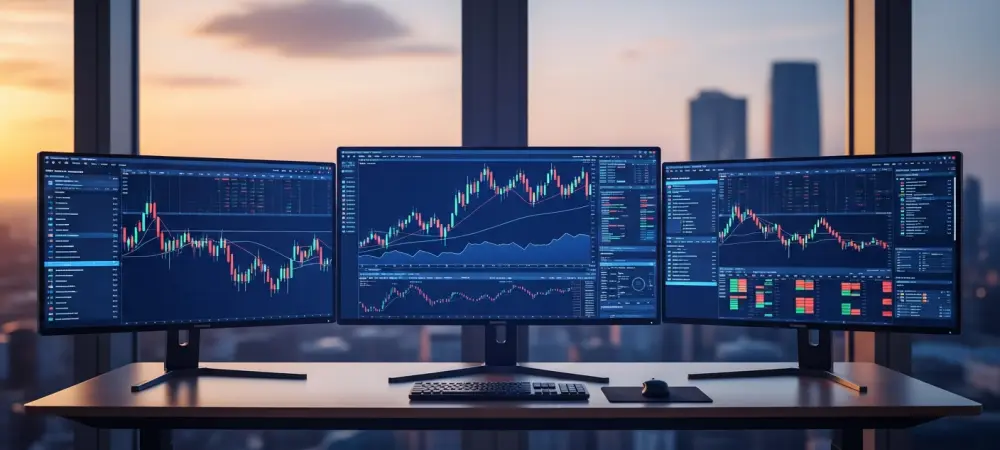
Success in the digital asset landscape no longer relies on the serendipitous timing of a single trade but instead requires a deep understanding of complex market dynamics and access to high-performance computational infrastructure. The modern investor has moved past the initial phase of digital currency adoption, entering a period where precision and reliability dictate the winners of the market. This new demographic views cryptocurrency not as a speculative gamble but as a fundamental component of a diversified financial portfolio. Consequently, the tools they use must reflect this newfound maturity, bridging the technical gap between raw market data and actionable intelligence. The narrative of the lone retail trader using basic mobile interfaces is fading as institutional-grade methodologies become the standard for individual participants. Platforms that fail to offer advanced metrics and high-speed execution find themselves losing ground to ecosystems that prioritize technical excellence and structural integrity. Norevia stands as a primary example of this shift, catering to a generation that values the efficiency of the machine just as much as the logic of the strategy. By identifying the intersection of human-centric design and powerful data processing, the platform facilitates a more rigorous approach to asset management.
The Rise of the Sophisticated Crypto Investor
The transition from casual speculation to institutional-grade precision represents a fundamental shift in the global financial psyche. Modern traders are increasingly educated, often coming from backgrounds in traditional finance or data science, and they bring with them high expectations for platform functionality. These investors refuse to settle for basic buy-and-sell interfaces; they require depth, seeking out order types, liquidity heatmaps, and sentiment indicators that provide a competitive edge in an increasingly crowded market. For them, the ability to dissect market movements is as important as the trade itself.
Furthermore, the growing demand for platforms that offer a balance of technological power and ease of use highlights a significant market gap. While professional terminals once required steep learning curves and cumbersome software installations, the current preference is for a streamlined, web-based experience. The new generation expects that the complexity of underlying blockchain technology should be handled by the infrastructure, leaving them free to focus on high-level decision-making and risk management without the burden of technical friction or interface lag.
Why Modern Markets Demand Constant Digital Evolution
The shift of cryptocurrency from a niche hobby to a global financial sector has created an environment where the stakes are higher than ever before. In this context, stagnation in platform development is not just a minor setback but a direct path to obsolescence for any financial service provider. Markets that operate twenty-four hours a day do not pause for updates, meaning that digital evolution must be a continuous process that ensures the platform stays ahead of the volatility curve. This constant state of motion is what defines the most successful modern trading environments.
Connecting digital transformation to the real-world concerns of modern investors is essential for maintaining long-term trust. It is no longer enough to offer a secure storage solution; a platform must demonstrate that it is actively evolving to meet changing regulatory landscapes and emerging economic shifts. This proactive stance ensures that as the global financial system becomes more integrated with digital assets, the tools used to manage those assets remain resilient. By focusing on constant updates, the platform ensures that its users are never left behind by the rapid pace of technological change.
Core Pillars of High-Performance Trading: Infrastructure and Speed
Enhancing data processing efficiency is the primary method for capturing real-time market sentiment before the window of opportunity closes. In a market where millions of data points are generated every second, the ability to filter and present this information in a digestible format is a technical necessity. High-performance infrastructure ensures that price feeds are accurate and that the metrics displayed reflect the absolute current state of the order book. This prevents the costly errors associated with data lag and slippage, which can be devastating during periods of high liquidity.
Moreover, reducing technical friction through intuitive navigation and streamlined portfolio management allows the trader to maintain focus during high-pressure scenarios. A cluttered or confusing interface can lead to cognitive overload, resulting in poor decision-making during moments of extreme market movement. By prioritizing a clean and logical layout, platforms enable users to execute complex maneuvers with a single glance. This design philosophy ensures that the technology serves the strategy, rather than acting as a hurdle that the investor must overcome.
Strategic Vision: Building for Long-Term Market Resilience
The industry consensus has converged on the necessity of “all-in-one” trading ecosystems that provide a holistic experience for the user. These ecosystems integrate education, analysis, execution, and security into a single point of contact, reducing the need for fragmented third-party tools. This approach not only enhances the security of the trading process by keeping all data within a protected environment but also fosters a sense of stability among participants who look for a long-term home for their capital. It creates a sustainable foundation for growth. Maintaining an agile adaptation to global financial shifts and regulations is another hallmark of a resilient platform. As jurisdictions clarify their stances on digital assets, the ability to pivot and implement new compliance standards without disrupting the user experience becomes a major competitive differentiator. Continuous research and development form the core of this sustainability, ensuring that the platform can scale its services from the current year into the future as the user base grows. This forward-thinking strategy prepares the investor for any structural changes in the global economy.
Actionable Strategies for Data-Driven Asset Management
Moving beyond speculative trading required the adoption of institutional-grade analytical tools that provided a clearer picture of market movement. Frameworks for implementing technical and fundamental analysis in a round-the-clock market became the standard for those seeking consistent returns. Successful participants focused on utilizing high-speed infrastructure to execute complex strategic trades, such as algorithmic hedging or automated rebalancing, which allowed them to manage risk effectively across various timeframes. These tools turned raw volatility into a structured opportunity for wealth preservation and growth. Best practices for asset management shifted toward the integration of multi-layered data points, where sentiment analysis and on-chain metrics were synthesized to inform entry and exit points. This approach allowed the new generation of traders to move away from emotional decision-making, favoring a systematic methodology instead. By leveraging the advanced capabilities of modern trading environments, investors secured their positions in the market. They ensured that their portfolios remained robust against the inherent fluctuations of the digital economy, setting a new benchmark for financial success in the modern era.