

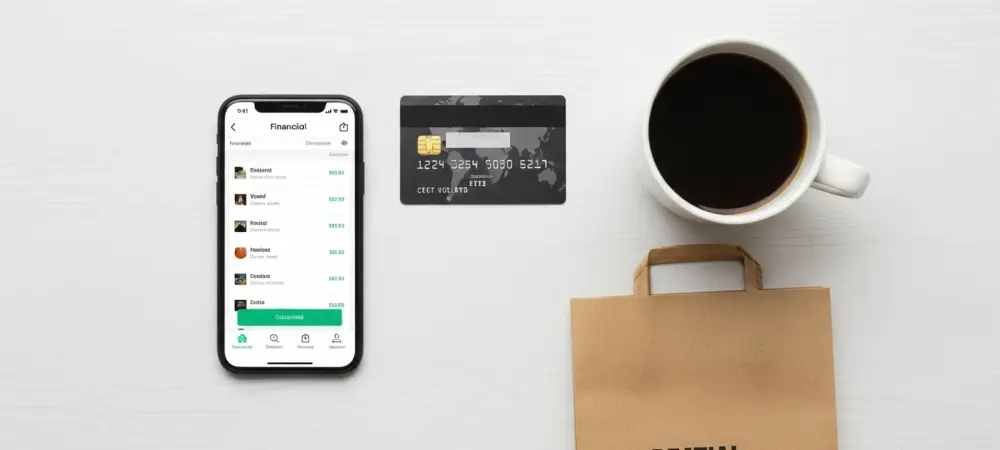
That recent, slightly-too-expensive purchase you made with your debit card, the one that left your checking account feeling a little lighter than you intended, may no longer be a final decision. A new wave of financial technology is emerging with a bold proposition: the ability to retroactively turn past debit transactions into manageable installment plans, fundamentally altering the permanent nature of spending your own money. This shift marks a pivotal moment in the evolution of consumer credit, where the line between immediate payment and long-term financing is becoming increasingly blurred, offering a second chance to budget for purchases after they have already been completed.
Turning Back the Clock on Debit Transactions
For decades, the debit card has operated on a simple, unwavering principle: the funds are deducted from an account immediately, and the transaction is complete. This finality provides a clear boundary for budgeting but offers none of the flexibility inherent in credit. If an unexpected expense arises shortly after a significant debit purchase, the consumer has little recourse. The transaction is a closed loop, a stark contrast to the revolving credit and payment optionality that has long defined credit cards.
This established dynamic is now being challenged by the concept of retroactive financing. This innovation effectively injects credit-like features into the debit ecosystem post-purchase. It allows consumers to reconsider their payment method days or even weeks after the fact, transforming what was a direct withdrawal into a structured loan. Such a service could provide a crucial financial buffer, empowering users to manage cash flow more dynamically without needing to rely on traditional credit from the outset.
A Major Shift in Consumer Credit
The introduction of after-the-fact financing represents more than just a novel feature; it signals a significant evolution in the Buy Now, Pay Later (BNPL) industry. Initially designed as a simple alternative to credit cards at the point of sale, BNPL services are rapidly expanding their scope. This move from a transactional tool to an integrated financial management service reflects a maturing market where companies are competing to become central to a consumer’s entire financial life, not just their checkout experience.
This strategic pivot is fueled by a growing consumer appetite for flexible and transparent payment solutions. As financial technology firms seek to capture a larger share of consumer spending, they are innovating beyond their original models. The goal is to embed payment optionality into every corner of the spending ecosystem. Consequently, the traditional distinctions between banking, debit spending, and credit are eroding, paving the way for hybrid products that offer the best of all worlds.
Unpacking the Swipe to Finance Feature
At the heart of this new movement is a feature that allows users to convert past purchases into loans with a simple interaction within a smartphone app. The process begins when a consumer makes a purchase using a partnered debit card, such as the one offered by OnePay. Later, the user can open their app, select a specific transaction, and activate the financing option. Instantly, the original purchase amount is refunded to their bank account, and the transaction is converted into an installment loan managed by a BNPL provider like Klarna.
This seamless functionality is made possible through a strategic partnership between the fintech firm OnePay, which is notably backed by retail powerhouse Walmart, and the global payment provider Klarna. In this ecosystem, OnePay provides the user-facing debit card and mobile application, leveraging its connection to the Mastercard network for widespread acceptance. Klarna, in turn, supplies the powerful financial engine that underwrites and services the installment loan, bringing its established expertise in the BNPL space to everyday debit transactions.
A New Vision for Consumer Flexibility
According to industry leaders, the driving force behind this innovation is a commitment to expanding consumer choice and control. David Sykes, Klarna’s Chief Commercial Officer, has framed the initiative as a way to provide “smarter payment options” that meet consumers wherever they happen to be transacting. This philosophy marks a departure from the traditional model of offering financing only at a merchant’s checkout, instead aiming to create a financial safety net that is always available. This strategy effectively untethers financing from the point of sale, making it a persistent feature of the consumer’s own bank account. By enabling this for any purchase made with the OnePay debit card, the service vastly expands the reach of installment payments to include everything from groceries and gas to in-person retail and services. It represents a deliberate push to make flexible financing a ubiquitous and user-initiated tool rather than a merchant-offered perk.
What This Means for Your Financial Health
While the prospect of retroactive financing offers undeniable convenience, it introduces critical new questions for consumers. The specific terms of these post-purchase loans remain a key area of uncertainty. It is not yet clear whether they will follow the popular interest-free, pay-in-four model common in BNPL or if they will be structured as longer-term, interest-bearing loans. Furthermore, details regarding potential fees, credit reporting implications, and the time window in which a purchase can be converted are essential for users to understand before embracing the feature.
This move is also a clear indicator of a broader ambition to challenge the dominance of traditional banking institutions. By integrating services like deposit accounts, debit cards, and now post-purchase financing, fintech companies are building comprehensive financial ecosystems. They are no longer content to operate at the fringes of the payment industry. Instead, they are positioning themselves as direct competitors to established banks, aiming to become the primary financial hub for a new generation of consumers who prioritize digital convenience and payment flexibility above all else. This evolution promised to reshape personal finance, placing more power, and more responsibility, into the hands of the consumer.