

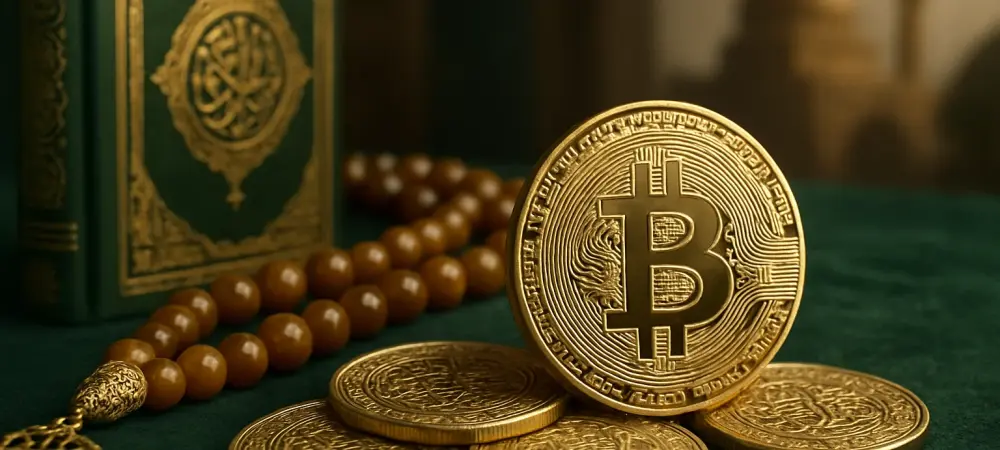
I’m thrilled to sit down with a renowned expert in Islamic finance and cryptocurrency, who brings a wealth of knowledge and insight into the intersection of faith and modern financial systems. With years of experience studying Sharia principles and their application to emerging technologies, our guest has been a guiding voice for Muslims navigating the complex world of digital assets. Today, we’ll dive into the nuances of whether cryptocurrencies like Bitcoin align with Islamic teachings, explore scholarly debates, and uncover practical ways for Muslims to engage ethically in this space.
How do cryptocurrencies like Bitcoin operate, and what makes them a topic of interest for Muslims looking at financial tools?
Cryptocurrencies like Bitcoin are digital assets that run on blockchain technology, a decentralized ledger that records transactions transparently across a network of computers. Bitcoin, for instance, acts as a medium of exchange or store of value without a central authority like a bank. For Muslims, the interest lies in whether these tools can fit within Sharia principles. The decentralized nature can align with Islamic ideals of fairness and transparency, but issues like volatility and speculative use raise questions about compliance with bans on interest (riba) and excessive uncertainty (gharar).
What are the core Islamic principles that guide financial transactions, and how do they relate to something as modern as cryptocurrency?
Islamic finance is grounded in principles from the Quran and Hadith, focusing on justice, shared risk, and ethical dealings. Key rules include prohibitions on riba, gharar, and maysir, which is gambling. Assets must have intrinsic value and be linked to real economic activity. When we look at cryptocurrencies, these principles challenge their permissibility. For example, if a digital asset’s value is purely speculative and not tied to tangible utility, it could be seen as haram. The debate is about whether crypto can be structured to avoid these prohibited elements.
Why is there such a divide among Muslim scholars when it comes to deciding if Bitcoin is halal or haram?
The divide stems from differing interpretations of how Sharia applies to a novel concept like Bitcoin. Some scholars see it as a form of wealth or a digital commodity that can be halal if used for legitimate purposes, like payments or investment in ethical projects. Others argue its extreme price swings and lack of physical backing make it akin to gambling, introducing unacceptable uncertainty. This lack of consensus reflects the challenge of adapting centuries-old principles to a fast-evolving digital landscape, with opinions shaped by individual understandings of risk and utility.
Can you walk us through some of the key arguments scholars make against Bitcoin being permissible under Islamic law?
Certainly. Many scholars who deem Bitcoin haram focus on its speculative nature. They argue that its value often depends on market hype rather than intrinsic worth, resembling gambling or maysir. There’s also concern about gharar due to the unpredictability of price fluctuations. Additionally, some point to the anonymity of transactions, which can enable illicit activities like money laundering, conflicting with the transparency Islam demands in financial dealings. These factors lead to rulings that caution against its use.
On the flip side, what perspectives do scholars offer to support Bitcoin as a halal option for Muslims?
Scholars who support Bitcoin’s permissibility often highlight its potential as a form of wealth or mal in Islamic terms, especially if it offers utility, like facilitating transactions or accessing digital services. They note that blockchain’s transparency aligns with Islamic values of honesty. Some also argue that speculation isn’t unique to crypto—it exists in traditional currencies too—and shouldn’t disqualify it. A significant point is ensuring transactions avoid interest, like through spot trading, which can make Bitcoin a viable option under certain conditions.
How have major fatwas or rulings on cryptocurrency influenced Muslim communities around the world?
Fatwas play a huge role in shaping attitudes toward cryptocurrency. For instance, a 2025 ruling from a Saudi cleric declaring Bitcoin halal as a currency subject to zakat has encouraged adoption in some Gulf regions, signaling a progressive stance. In contrast, Egypt’s 2018 ruling labeling it haram due to speculation has made many in that region wary. These rulings often set the tone for local practices, though individual Muslims may still seek personal guidance from trusted scholars to align with their faith and context.
What are some of the practical hurdles Muslims face when trying to engage with cryptocurrencies in a Sharia-compliant way?
One major hurdle is avoiding speculative trading practices that resemble gambling, like short-term buying and selling driven by hype, which many scholars frown upon. Futures or leveraged trading often involves interest, which is a clear violation of Sharia. There’s also the challenge of identifying projects with real utility versus those purely driven by market frenzy. Muslims need to be diligent, often consulting Sharia boards or advisors to ensure their investments align with ethical standards and avoid prohibited elements.
Could you share examples of Sharia-compliant alternatives in the crypto space that Muslims might consider?
Absolutely. There are gold-backed tokens, for instance, which tie their value to physical gold, reducing volatility and aligning with the Islamic requirement for assets to have intrinsic worth. Islamic DeFi projects are another area, using smart contracts for profit-sharing models like mudarabah, avoiding interest entirely. Blockchain-based sukuk, or Islamic bonds, are also emerging as halal investment options, blending traditional finance with tech by offering returns based on real assets or projects rather than speculative gains.
How can Muslims balance their religious values with participation in cutting-edge financial systems like cryptocurrency?
Balancing faith and modern finance starts with education and intentionality. Muslims should seek knowledge about both Sharia principles and how crypto works, consulting reliable scholars or Sharia-compliant platforms for guidance. The focus should be on using digital assets for genuine economic purposes—think long-term investments or facilitating ethical trade—rather than chasing quick profits through speculation. Prioritizing transparency and utility ensures that participation in crypto doesn’t conflict with spiritual values.
Looking ahead, what is your forecast for the future of cryptocurrency in the context of Islamic finance?
I’m optimistic about the potential for cryptocurrency to find a solid footing in Islamic finance, especially as more Sharia-compliant projects emerge. With advancements in blockchain tech and growing awareness among scholars, we’re likely to see clearer guidelines and innovative solutions like Islamic DeFi and asset-backed tokens gaining traction. However, widespread adoption will depend on addressing volatility and ensuring ethical use. I believe the next few years will bring more consensus and integration, allowing Muslims to engage confidently in this space while staying true to their faith.