

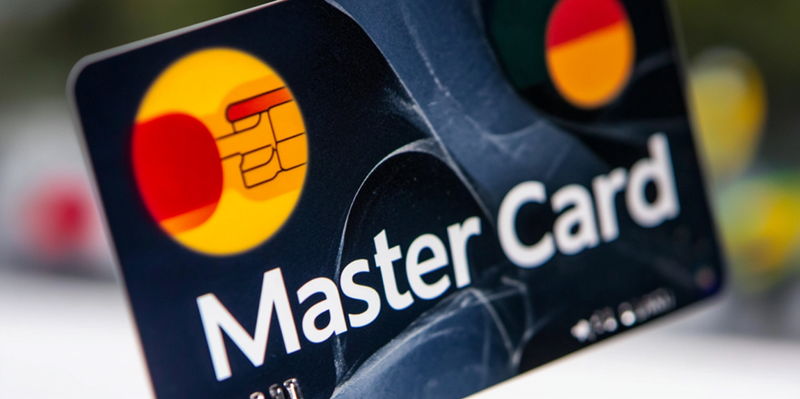
In a rapidly evolving digital economy where eCommerce drives much of the commercial activities, the collaboration between MyFatoorah and Mastercard introduces a transformative payment gateway platform aimed at revolutionizing the Middle East’s digital payment landscape. MyFatoorah, recognized as a licensed payment service provider (PSP) in the Middle East, has partnered with Mastercard to offer an enhanced customer experience for over 75,000 merchants utilizing the MyFatoorah platform. This pivotal move underscores MyFatoorah’s dedication to delivering fast, seamless, and secure transactions, meeting the increasing demands for advanced digital payment solutions. Mastercard Gateway, which powers the new platform, is expected to offer an array of secure and efficient payment options, bringing significant benefits to both merchants and consumers in the region.
Advanced Payment Solutions for Merchants
MyFatoorah’s commitment to advancing payment solutions is evident in its partnership with Mastercard. This collaboration involves integrating Mastercard Gateway into MyFatoorah’s existing platform, providing merchants with an unparalleled digital payment processing experience. The integration promises a host of benefits, from reduced transaction times to enhanced payment security, addressing some of the most pressing concerns faced by eCommerce businesses today. By equipping MyFatoorah’s 75,000+ merchants with such advanced tools, the partnership is set to create a more streamlined and user-friendly shopping experience for customers, ultimately boosting conversion rates and driving sales growth.
Abdullah Aldabbous, Founder & Managing Partner of MyFatoorah, emphasized the importance of staying ahead of consumer demands and technological innovations in the eCommerce sector. By partnering with Mastercard, MyFatoorah aims to offer its merchants cutting-edge solutions that simplify online shopping and ensure secure transactions. This forward-thinking approach is expected to set new standards for digital payments in the Middle East, giving local merchants the competitive edge they need to thrive in a global marketplace.
Mastercard’s Role in Enhancing Digital Experiences
Gina Petersen-Skyrme, Country Manager for the UAE & Oman at Mastercard, highlighted Mastercard’s focus on expanding innovative payment solutions across the region. The collaboration with MyFatoorah aligns perfectly with Mastercard’s mission to improve everyday consumer experiences through technology. By leveraging Mastercard Gateway’s capabilities, the partnership equips merchants with advanced payment processing and fraud prevention tools, ensuring that transactions are not only efficient but also secure.
Since its founding in Kuwait in 2016, MyFatoorah has rapidly expanded its reach, catering to diverse sectors such as government, education, and marketplaces across the GCC, Jordan, and Egypt. This growing presence underscores the critical role that digital payment solutions play in modern commerce. By integrating with Mastercard Gateway, MyFatoorah is poised to enhance its service offerings even further, solidifying its position as a leader in the regional payment ecosystem.
Future Implications for the Digital Payment Landscape
The partnership between MyFatoorah and Mastercard is poised to revolutionize digital payments in the Middle East, bringing heightened security, a variety of payment options, and more efficient transactions. This collaboration means shoppers will enjoy a more convenient and dependable experience, while merchants can look forward to increased conversion rates and fewer instances of fraud. This alliance not only mirrors the ongoing transformation of eCommerce but also underscores the vital role that cutting-edge payment solutions play in driving economic growth and connectivity.
In the future, the effects of this partnership are expected to be significant, setting a standard for other industry players to emulate. By consistently adapting to technological advancements and consumer needs, MyFatoorah and Mastercard are well positioned to lead the transformation of the region’s digital payment landscape. The success of this collaboration could serve as a catalyst for further innovations, thereby fostering continued growth and integration of digital payments across the Middle East.