

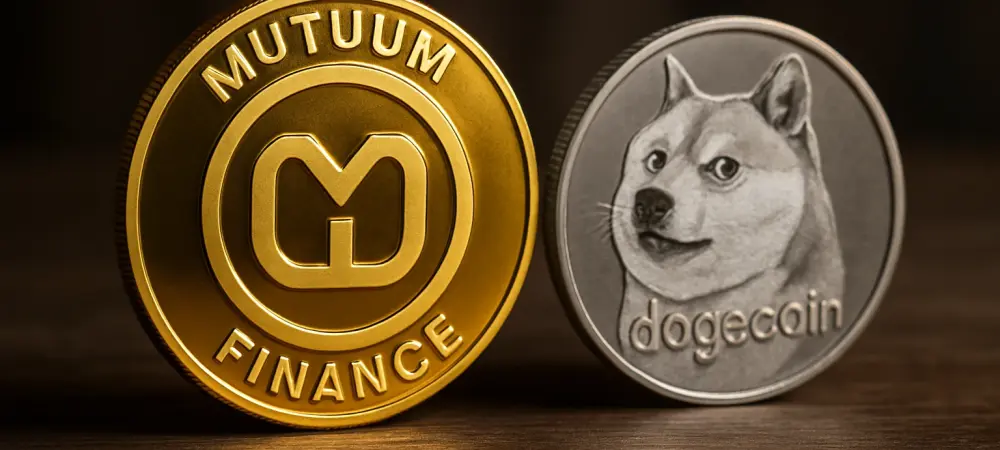
Welcome to an exciting deep dive into the world of decentralized finance and cryptocurrency! Today, we’re thrilled to chat with Nicholas Braiden, a pioneering figure in blockchain technology and a passionate advocate for the transformative power of financial technology. With years of experience advising startups on leveraging cutting-edge tools to innovate digital payment and lending systems, Nicholas offers a unique perspective on the evolving crypto landscape. In this interview, we’ll explore the groundbreaking potential of DeFi, focusing on an emerging project making waves with its presale momentum, innovative lending models, and technological advancements. We’ll also touch on the broader market trends, comparing the hype of memecoins to platforms with real utility. Let’s get started!
Can you give us an overview of what Mutuum Finance is and how it stands out in the crowded crypto space?
Absolutely, I’m excited to talk about Mutuum Finance, or MUTM. It’s a decentralized finance platform that’s really pushing the boundaries of what DeFi can do. Unlike many projects that focus on speculative hype, MUTM is all about delivering real utility through innovative lending and staking solutions. What sets it apart is its dual lending models—catering to both conservative and risk-tolerant investors—and its integration of Layer-2 technology for faster, cheaper transactions. It’s not just another token; it’s a platform built to solve real problems in finance, like accessibility to loans and passive income opportunities.
Mutuum Finance is currently in Phase 6 of its presale at $0.035 per token. How has the investor response been so far, and what’s fueling this excitement?
The response has been incredible. We’ve raised $500,000 already and have over 14,500 holders joining the community. I think what’s driving this momentum is the clear value proposition—MUTM offers something tangible in a market full of fleeting trends. Investors are drawn to the idea of a platform that prioritizes DeFi utility over memes or speculation. Plus, with the presale moving quickly and a price increase to $0.04 on the horizon, there’s a sense of urgency to get in early before the upside potential narrows.
With such a large community already, what do you believe is attracting so many people to MUTM at this stage?
It really comes down to trust and vision. People see that MUTM isn’t just a quick cash grab—it’s a project with a roadmap focused on long-term value. The lending models we’re building cater to diverse needs, whether someone wants low-risk options or higher-yield opportunities. Additionally, our commitment to security, evidenced by a strong CertiK audit score, reassures investors. And honestly, the community itself plays a huge role; the energy and engagement from our holders create a snowball effect, drawing more people in.
Speaking of the presale’s pace, with the price set to jump soon, how critical is it for new investors to act now?
Timing is everything in crypto, and I’d say it’s pretty urgent for anyone considering MUTM to jump in during Phase 6. At $0.035, you’re getting in at a discount compared to the upcoming $0.04 price point—a 15% increase. Waiting could mean missing out on significant upside potential, especially since analysts are projecting a 4.5x surge post-launch. Early investors from Phase 1 have already seen massive returns, and while there’s still value now, that window is closing fast as token allocations shrink in later phases.
Let’s dive into MUTM’s lending innovations. Can you explain how the Peer-to-Contract system works and who it’s designed to serve?
Of course. The Peer-to-Contract, or P2C, system is one of our core lending models, designed primarily for more conservative users or those looking for stability. It allows people to deposit blue-chip tokens or stablecoins into permissionless smart contract pools. For instance, if you hold Avalanche tokens worth $8,000, you could deposit them and borrow up to $5,600 in USDT based on a 70% Loan-to-Value ratio. It’s ideal for investors who want to leverage their holdings without selling, while minimizing risk through structured, automated contracts.
On the flip side, can you tell us about the Peer-to-Peer lending model and how it appeals to those chasing higher returns?
The Peer-to-Peer, or P2P, model is tailored for users comfortable with higher risk for the chance of higher rewards. It facilitates direct negotiations between lenders and borrowers, often involving more volatile tokens like SHIB or DOGE that aren’t typically supported on mainstream platforms. Both parties can customize terms—think interest rates and loan durations—to fit their needs. It’s a flexible, dynamic system that opens up opportunities for yield-hungry investors willing to navigate the ups and downs of riskier assets.
Layer-2 technology is another key piece of MUTM’s strategy. How will this enhance the user experience on the platform?
Layer-2 solutions are a game-changer for DeFi, and for MUTM, they’re about making the platform more accessible and efficient. By integrating Layer-2, we’re able to offer faster transaction speeds and significantly lower fees compared to traditional Layer-1 networks. For users, this means borrowing, lending, or staking without the frustration of high gas costs or long wait times. As DeFi adoption grows, this scalability will be crucial to ensuring a seamless experience, especially during peak network activity.
With the beta platform launch and token generation event coming up, what should early users look forward to?
I’m thrilled about the beta launch and TGE because they mark the transition from concept to reality for MUTM. Early users will get hands-on access to our lending and borrowing features, allowing them to test the P2C and P2P systems in a live environment. It’s a chance to interact with the platform, provide feedback, and see firsthand how our staking and passive income mechanisms work. This phase is all about building a foundation with our community before the full rollout, so their input will shape the final product.
Security is clearly a priority for MUTM, with high CertiK audit scores. How does this focus on safety build trust with investors?
Security is non-negotiable in DeFi, where trust is everything. Our CertiK audit, with a Token Scan score of 95.00 and a Skynet score of 78.00, shows we’ve gone through rigorous manual reviews and code analysis to ensure the platform’s integrity. This transparency reassures investors that their funds and data are protected. Beyond audits, we’re continuously implementing best practices like multi-layered safeguards and regular updates to stay ahead of potential vulnerabilities. Trust isn’t just given; it’s earned through actions like these.
What’s your forecast for the future of DeFi platforms like Mutuum Finance in the broader crypto market?
I’m incredibly bullish on DeFi platforms that prioritize utility over hype. As the crypto market matures, I believe we’ll see a shift away from speculative memecoins toward projects like MUTM that solve real financial problems. With growing adoption, DeFi could redefine how we think about lending, borrowing, and earning passive income, especially as technologies like Layer-2 make these systems more accessible. My forecast is that within the next few years, platforms delivering tangible value will dominate, and I’m confident MUTM will be at the forefront of that wave.