

Elon Musk, the renowned entrepreneur and visionary, has been contemplating the development of a groundbreaking social media platform based on blockchain technology. This platform would not only revolutionize the way people connect and interact but also integrate payment systems, taking the concept of social media to new heights. Let’s delve deeper into Musk’s interest in blockchain and his vision for this innovative social media platform.
Musk’s interest in blockchain technology
In Walter Isaacson’s biography on Musk, the author sheds light on the entrepreneur’s fascination with blockchain-based social media platforms. Isaacson reveals that Musk had a momentous conversation with his brother, Kimbal, during a lunch meeting. It was Kimbal who initially proposed the idea of leveraging the potential of blockchain technology for a social media platform.
Incorporating Dogecoin as a payment option
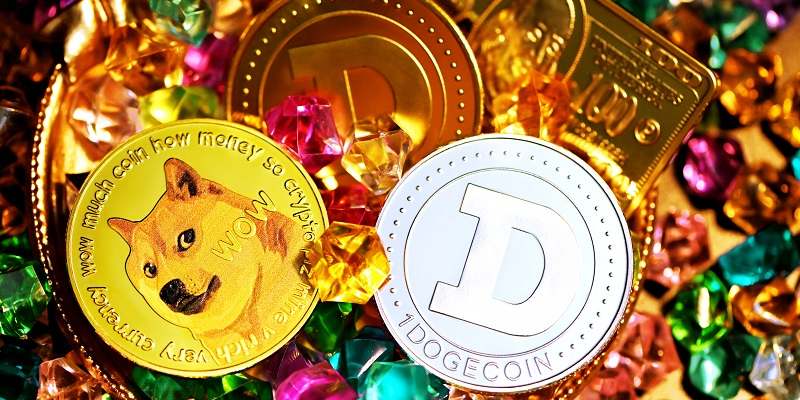
Musk’s interest in cryptocurrencies has led him to consider incorporating Dogecoin, a popular digital currency, as a payment method for his envisioned social media platform. Musk even went as far as discussing the idea in a text message to his brother, elaborating on his vision for “a blockchain-based social media system that integrates both payments and short text messages, similar to Twitter.” This move could potentially bridge the gap between traditional social media activity and digital transactions, enhancing user experiences and opening up avenues for new economic models.
There is no native token on the platform
While considering the integration of Dogecoin as a payment option, Musk made it clear that he would not launch a native token on the proposed social media platform. This decision diverges from the prevailing trend of social media platforms creating their own tokens to facilitate transactions. Musk’s intention seems to be steering clear of potential regulatory issues associated with creating and managing a native token.
Future possibilities of Dogecoin
Musk’s interest in Dogecoin extends beyond its potential as a payment option for the social media platform. The biography explores Musk’s fascination with this particular cryptocurrency, marking it as a potential game-changer in the ever-evolving landscape of digital currencies. With Musk’s influence and involvement, the future of Dogecoin holds vast possibilities and could further cement its position as a legitimate and widely adopted digital asset.
Musk’s views on Twitter and Parag Agarwal
In an intriguing twist, Musk’s interest in the social media space extends beyond his plans to develop his own platform. He recently acquired Twitter stock, indicating his keen interest in the company’s future direction. Musk’s doubts about the current CEO’s leadership style and vision for the platform became evident when he expressed, “What Twitter needs is a fire-breathing dragon, and Parag is not that.” This statement reveals Musk’s desire for a more dynamic and innovative approach to driving Twitter’s success.
Integration of payment capabilities in the social media platform
The potential integration of payment capabilities into the blockchain-based social media platform opens up a myriad of opportunities. By allowing users to seamlessly conduct transactions within the platform, Musk aims to establish a digitally inclusive ecosystem. This integration can revolutionize the way people monetize their content, fostering the growth of creators and allowing for more secure and efficient transactions between users.
Elon Musk’s interest in developing a social media platform based on blockchain technology, with integrated payment systems, showcases his relentless pursuit of innovation. His fascination with Dogecoin as a potential payment method and the absence of a native token demonstrate his unconventional approach to this project. Moreover, his acquisition of Twitter stock and expressed doubts about current CEO Parag Agarwal highlight his broader vision for transforming the social media landscape. The potential integration of payment capabilities into this visionary platform will undoubtedly shape the future of social media, offering users seamless digital interactions intertwined with secure and efficient transactions. As we await further developments, the amalgamation of blockchain and social media under Elon Musk’s guidance promises to be a game-changer that revolutionizes the digital landscape.