

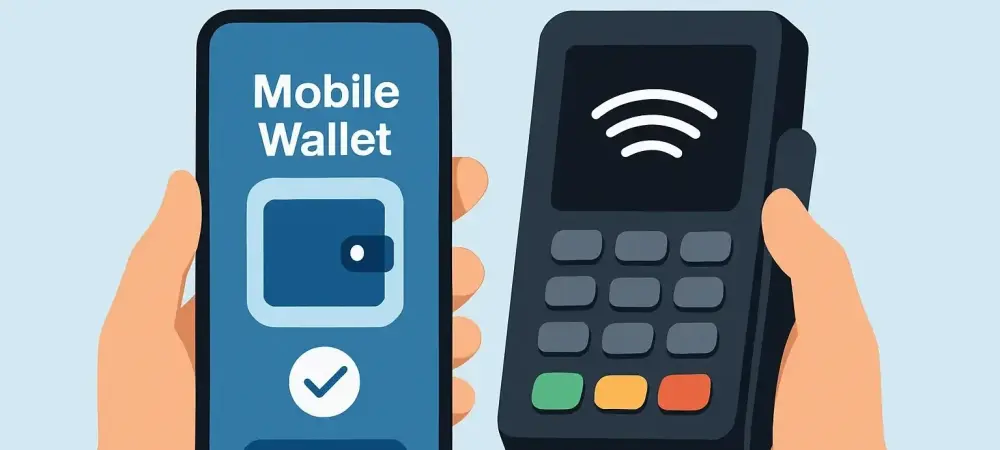
Imagine a world where a single tap on a smartphone replaces the need for cash, cards, or even a physical wallet—an everyday reality for millions in the United Kingdom. With over half of UK adults now using mobile wallets for transactions, this technology has swiftly moved from a novelty to a cornerstone of modern payments. This review dives deep into the evolution, features, and impact of mobile wallet technology, assessing its performance and exploring its transformative role in reshaping the financial landscape.
Understanding Mobile Wallet Technology
Mobile wallets represent a digital payment solution that enables users to store payment information securely on their smartphones for seamless transactions, both online and in-store. Emerging as part of the broader wave of digitalization in the financial sector, this technology has gained traction by offering a convenient alternative to traditional methods like cash or physical cards. Its rise reflects a growing consumer demand for speed and simplicity in an increasingly connected world.
The significance of mobile wallets lies in their ability to consolidate multiple payment functions into a single, accessible platform. By integrating with smartphones—devices that are nearly ubiquitous in the UK—this technology has positioned itself as a vital tool for everyday financial interactions. This review will explore how these digital solutions are not just supplementary but are becoming integral to the way payments are conducted.
Key Features and Performance
Seamless Contactless Payment Integration
A standout feature of mobile wallets is their incorporation of contactless payment technology, powered by near-field communication (NFC). This allows users to complete transactions with a quick tap of their device at payment terminals, making it ideal for low-value, everyday purchases like coffee or groceries. With 57% of UK adults using mobile wallets in the past year, the convenience of contactless payments has been a major driver of adoption.
The performance of NFC technology within mobile wallets is notable for its speed and reliability, often completing transactions in under a second. Security measures, such as tokenization and biometric authentication, further enhance user trust by ensuring that sensitive data remains protected during each interaction. This blend of efficiency and safety underscores why contactless payments are a core strength of this technology.
Versatile Connection to Payment Options
Mobile wallets also excel as a centralized hub for diverse payment methods, catering to a wide range of consumer preferences. From real-time transactions via the UK’s Faster Payments network to traditional card payments—both debit and credit—these platforms offer unparalleled flexibility. Additionally, integration with emerging services like buy now, pay later (BNPL) has seen significant uptake, with 25% of UK adults utilizing this option in the past year.
The accessibility of these integrations ensures that users can manage multiple financial tools within a single app, streamlining the payment process. Performance-wise, the ability to switch between payment methods without friction enhances the user experience, making mobile wallets a versatile solution for both planned purchases and spontaneous transactions. This adaptability is a key factor in their growing popularity across demographics.
Adoption Trends and Market Impact
The adoption of mobile wallets in the UK has seen remarkable growth, rising to 57% of adults using these platforms over the past year, up from lower figures in earlier periods. This surge spans all age groups, though younger adults remain at the forefront of usage. The trend highlights a cultural shift toward digital-first solutions, driven by the convenience and accessibility that mobile wallets provide.
Beyond individual adoption, mobile wallets have significantly influenced the broader payments ecosystem. Mobile banking, now used by 75% of UK adults through dedicated apps, has surpassed online banking as the preferred method for managing finances. Meanwhile, cash usage has dwindled to under 10% of transactions, signaling a profound transformation in how money changes hands in the UK.
The impact extends to various applications, from everyday in-store purchases to online shopping and financial management. Unique use cases, such as the integration of BNPL services directly into mobile wallet platforms, illustrate their role in supporting innovative payment models. This versatility cements mobile wallets as a pivotal force in modernizing the financial sector.
Challenges in Implementation
Despite their rapid rise, mobile wallets face several hurdles that could temper their growth. Security concerns remain paramount, as users and merchants alike worry about data breaches or unauthorized access to sensitive information. While advancements like encryption and biometrics have bolstered defenses, maintaining user trust requires ongoing vigilance and innovation.
Another challenge lies in achieving widespread merchant acceptance across the UK. Although major retailers and urban areas have largely adopted the necessary infrastructure, smaller businesses and rural regions often lag behind, limiting the technology’s reach. Addressing this disparity is critical to ensuring that mobile wallets become a truly universal payment method.
Regulatory complexities also pose potential obstacles, as the fast-evolving nature of digital payments demands adaptive frameworks to balance innovation with consumer protection. Additionally, disparities in technological access or familiarity among certain demographics—such as older adults—highlight the need for targeted education and support to bridge the digital divide.
Future Potential and Innovations
Looking ahead, mobile wallets are poised for further evolution, with advancements in security features and broader integration with emerging financial tools on the horizon. Potential developments, such as enhanced fraud detection through artificial intelligence or seamless connectivity with wearable devices, could elevate the user experience and expand functionality. These innovations promise to keep mobile wallets at the forefront of payment technology. The sustained growth of digital payments is likely to have a lasting impact on the UK economy, fostering greater efficiency and inclusion in financial systems. As mobile wallets integrate more deeply with other fintech solutions, their role as a cornerstone of a digital-first future becomes increasingly evident. The trajectory suggests a payments landscape where traditional methods continue to give way to smarter, more connected alternatives.
Final Thoughts and Next Steps
Reflecting on this technology review, it is clear that mobile wallets have carved out a significant niche in the UK payments landscape, driven by their convenience, versatility, and robust adoption rates. Their performance in facilitating contactless payments and integrating diverse financial tools has positioned them as a transformative force in how transactions are conducted. Moving forward, stakeholders should prioritize addressing security concerns and expanding merchant acceptance to ensure broader accessibility. Investment in user education, particularly for demographics less familiar with digital tools, could further accelerate adoption. Additionally, collaboration between regulators and industry leaders will be essential to create a supportive environment for innovation while safeguarding consumer interests. These steps will help solidify mobile wallets as an enduring pillar of modern finance.