

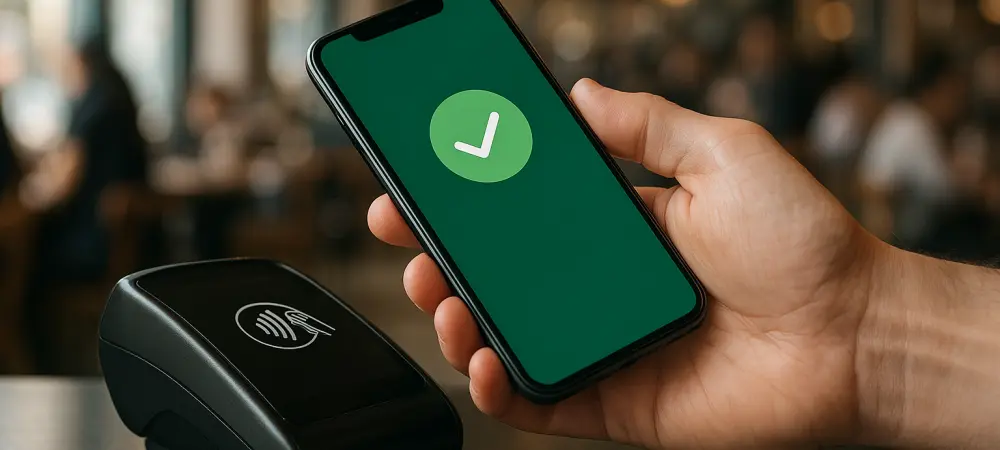
The obsolescence of physical money is becoming evident as over 80 percent of the South Korean population now spends less than 500,000 won in cash on a monthly basis. This dramatic move away from paper currency is further highlighted by the Bank of Korea’s recent report, which reveals that mobile devices now facilitate 55.7 percent of all credit and debit card spending at domestic merchants. This milestone represents a significant behavioral shift in one of the world’s most tech-savvy economies, marking the first time mobile payments have surpassed the majority share of consumer transactions. As of the first half of 2024, the daily transaction value through mobile platforms reached staggering heights, indicating that the digital transition is no longer a niche preference but a nationwide standard. The adoption is driven by a culture that prioritizes efficiency, fundamentally altering how commerce is conducted. Financial institutions must now reevaluate their physical presence in the market.
Structural Transformation of the National Economy
The statistical surge of mobile payments is not merely a passing trend but a profound structural transformation of the national financial system. According to the Bank of Korea, the 55.7 percent share recorded in 2024 reflects an 8.7 percentage point increase from the 47 percent observed five years ago in 2021. In terms of monetary value, these payments averaged 1.79 trillion won, which is approximately 1.3 billion dollars, on a daily basis during the first half of that year. This figure represents a staggering increase of over 660 billion won compared to the daily averages recorded seven years ago, when mobile spending stood at 1.13 trillion won. Such rapid, compounding growth suggests that the complete removal of physical wallets from daily life is approaching much faster than analysts previously anticipated. As consumers become more comfortable with these digital platforms, the reliance on traditional payment methods continues to dwindle at an unprecedented rate.
This shift toward a mobile-first economy is supported by a comprehensive ecosystem that rewards speed and convenience. Merchants across the nation have upgraded their point-of-sale infrastructure to accommodate various technologies, ranging from Near Field Communication to Magnetic Secure Transmission. This dual-compatibility approach has ensured that even smaller vendors can accept mobile payments without prohibitive costs. Consequently, the volume of plastic card usage has begun a steady decline, as the friction associated with carrying a physical wallet outweighs the benefits. Financial experts note that this transition is particularly visible among younger demographics, who view the physical credit card as an unnecessary relic. However, the trend is also gaining momentum among older generations who have discovered the ease of smartphone-based transactions. This broad demographic adoption is creating a feedback loop where businesses are increasingly prioritizing digital-only services.
Seamless Integration of Identity and Modern Utility
Beyond simple financial transactions, the utility of the smartphone has expanded into a comprehensive digital repository for identity and access management. In South Korea, the device has successfully integrated critical documents such as resident registration cards and driver’s licenses into secure mobile platforms. These digital credentials are now legally and practically accepted at government offices, medical facilities, and for age-restricted purchases. A practical example of this transition is seen in the daily routine of modern professionals who navigate their entire day using only their phones. By utilizing mobile transit applications for commuting and digital employee IDs for building access, the necessity for plastic cards has been entirely mitigated. This integration ensures that even if a physical wallet is forgotten, the individual can continue their productivity without interruption. The consolidation of identity and payment functions into a single device represents a significant leap toward consumer convenience.
Technological innovation continues to push the boundaries of how consumers interact with the economy through the emergence of invisible payments. The integration of global platforms like Apple Pay with established local transit systems, such as Tmoney, has streamlined the commuting experience for millions. Furthermore, the rise of biometric technologies like facial recognition allows users to complete transactions without even needing to retrieve their phone from a pocket. These biometric systems verify identity and authorize payments in seconds, offering a glimpse into a future where the hardware itself becomes secondary to the user’s biological signature. This evolution toward frictionless commerce reduces the cognitive load on consumers and speeds up the flow of traffic in high-density retail environments. As these technologies become more pervasive, they set a new standard for user experience that traditional payment methods simply cannot match. The focus is no longer just on the transaction itself, but on making the entire process unobtrusive.
Digital Transactions: The Global Economic Context
While South Korea is a clear frontrunner in this digital evolution, it exists within a global context of varying adoption rates and strategies. China currently leads the world by a significant margin, with mobile wallets accounting for 87 percent of in-store spending through platforms like WeChat Pay and Alipay. In contrast, the United States is seeing a more gradual but steady acceleration, where mobile phone payments recently accounted for 27 percent of consumer transactions. South Korea occupies a unique middle ground, utilizing a mix of advanced verification methods that cater to both domestic and international standards. This position allows the nation to serve as a testing ground for new financial technologies before they are scaled globally. However, the rise of digital adoption has led to a visible dismantling of traditional infrastructure. The number of ATMs across South Korea dropped by 15.7 percent recently, as banks aggressively cut back on machines due to the high costs of maintenance and dwindling demand.
The decline of physical currency is also deeply affecting social customs that have traditionally relied on the exchange of cash. In South Korea, traditionally cash-heavy events such as weddings, funerals, or holiday celebrations have largely migrated to mobile wire transfers. It is now common to see QR codes displayed at reception desks or included in digital invitations to facilitate the gifting of money. Last year, cash accounted for only 17.4 percent of individual average monthly spending, a significant decrease from the levels seen just a few years ago. This shift reflects a broader societal acceptance of digital assets as a legitimate and respectful form of currency for all occasions. Even tipping and small-scale donations have moved to digital platforms, further reducing the need for banknotes in circulation. As these customs evolve, the cultural significance of the physical banknote is being replaced by the speed and transparency of the digital ledger. This transformation highlights how technology can reshape human traditions.
Strategic Reinvestment: Future Pathways for Financial Equity
Despite the undeniable efficiency of a cashless society, the transition presented significant socio-economic challenges that required careful management. The primary concern was the digital divide, which threatened to marginalize vulnerable populations, including the elderly and international tourists. Tourists in Korea reported difficulties at kiosks and on city buses that no longer accepted physical banknotes, creating barriers to basic mobility and commerce. There was also the critical issue of systemic vulnerability within a digital-only economy. A reliance on hardware integrity and battery life meant that any disruption could halt economic activity instantly. For instance, a major mobile payment outage in mid-2025 paralyzed commerce for several hours, highlighting how a localized server error could have widespread consequences. Cybersecurity also remained a top priority as hackers targeted the centralized data stored on mobile devices. These risks necessitated a robust approach to infrastructure reliability to maintain public confidence.
Industry experts suggested that the next phase of this evolution would involve stablecoins and virtual assets to further diminish the role of fiat currency. Economists argued that the savings generated from reducing the management of physical money had to be reinvested into social programs. The consensus was that capital saved from reduced currency production should have been directed toward payment assistance services, such as automated help kiosks and digital education. These next steps were essential to ensure that the transition to a digital economy did not leave the technologically disadvantaged behind. Policymakers were urged to implement inclusive design principles in all new financial technologies to bridge the gap for those struggling with the pace of change. Looking ahead, the focus shifted toward building a more resilient and equitable financial ecosystem that prioritized both innovation and accessibility. Ultimately, the successful management of these socio-economic risks was what defined the sustainability of the truly cashless society.