

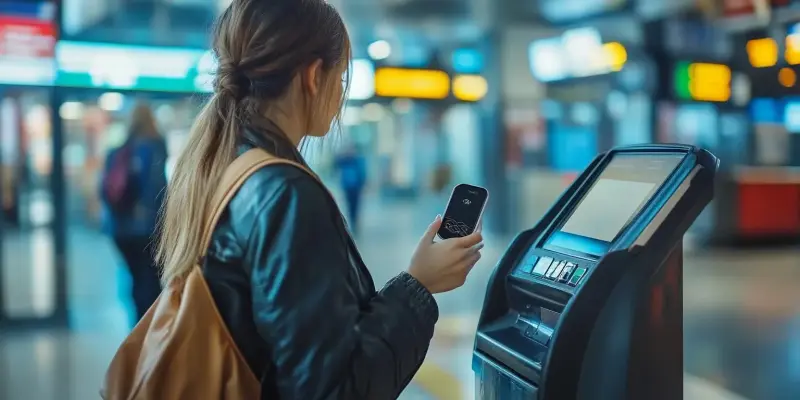
In an effort to modernize regional public transportation, the Minns Labor Government is set to introduce tap-and-go payment options for over 400 regional town bus services across New South Wales (NSW). This initiative follows the success of trials in Bathurst and Dubbo, where 42% of passengers quickly adopted contactless payments. The program will first be rolled out in Wagga Wagga, with 21 local buses scheduled to receive the upgrade in the coming months.
Modernizing Regional Transport Payments
Streamlining Travel Experience
The new Contactless Ticketing Program will enable passengers to use their smartphones, watches, or debit/credit cards to pay for fares. This aligns regional transport services with metropolitan areas, where such technology has been in place for years. This modern payment solution will eliminate the need for passengers to carry exact change or pre-purchase physical tickets, addressing a significant barrier to public transport usage.
Apart from enhancing convenience, tap-and-go payments are designed to reduce boarding times, improve on-time performance, and generally make bus travel more appealing. As passengers can simply tap their devices or cards on terminals with no delay, buses will be able to stick to schedules more reliably. This aspect of the program not only benefits passengers but also has the potential to increase overall ridership, thus supporting the financial sustainability of regional bus services.
Inclusion of Cash Payment Options
Despite the push for modern payment methods, the government remains committed to maintaining inclusivity by keeping cash payments as an option on all buses. This ensures that individuals who are not comfortable with—or do not have access to—digital payment methods can still use public transport without issue.
This dual payment system seeks to cater to a wide range of passenger preferences and technological access levels, reinforcing the government’s commitment to an inclusive and equitable public transport system. By offering flexible payment methods, the Minns Labor Government aims to increase public transport usage among all demographics, including those in regional communities who may have been previously underserved.
Addressing Regional Transport Needs
Criticisms of the Previous Government
For over a decade, regional transport needs were largely overlooked by the former Liberal and Nationals government, which focused its efforts on city commuters. This neglect resulted in outdated and inconvenient payment systems for regional public transport users, contributing to lower ridership numbers and dissatisfaction among regional communities. The Minns Labor Government is taking steps to rectify this imbalance by prioritizing the modernization of regional transport services.
Minister for Regional Transport Jenny Aitchison commented on the strong demand from regional communities for modern payment methods. By introducing tap-and-go payments, the current government aims to address these concerns, supporting local economies and providing residents with the same level of service enjoyed by their metropolitan counterparts. This initiative is not only about convenience but also about ensuring that regional areas are not left behind in the ongoing technological advancements.
Positive Reception in Regional Communities
The initiative to introduce tap-and-go payments has been met with positive responses from various regional communities. Independent Member for Wagga Wagga, Dr. Joe McGirr, has welcomed the initiative, highlighting the increased convenience and diverse payment options it will offer to bus passengers. Such an endorsement from local representatives underscores the importance of this program for regional residents and the anticipated benefits.
This forward-thinking approach to public transport aims to create a more connected and efficient system, fostering greater reliance on and trust in public transportation. With the government working to ensure that these updates meet the needs of all citizens, this initiative is a clear step toward elevating the public transport experience in regional NSW.
Conclusion
In an effort to update and enhance regional public transportation, the Minns Labor Government is preparing to introduce tap-and-go payment systems for over 400 regional town bus services across New South Wales (NSW). This advancement comes after successful trials in Bathurst and Dubbo, where 42% of passengers swiftly adopted contactless payments. The program’s initial rollout will begin in Wagga Wagga, where 21 local buses are scheduled for the upgrade in the coming months. The broader plan aims for full implementation by the end of 2027. This initiative is part of a broader strategy to make public transportation more efficient and user-friendly for residents. By modernizing the payment options, the government hopes to improve the overall experience for daily commuters and also attract more users to public transit. The success in Bathurst and Dubbo shows promise for widespread adoption and a more streamlined process for paying bus fares, demonstrating a forward-thinking approach to regional transportation logistics.