

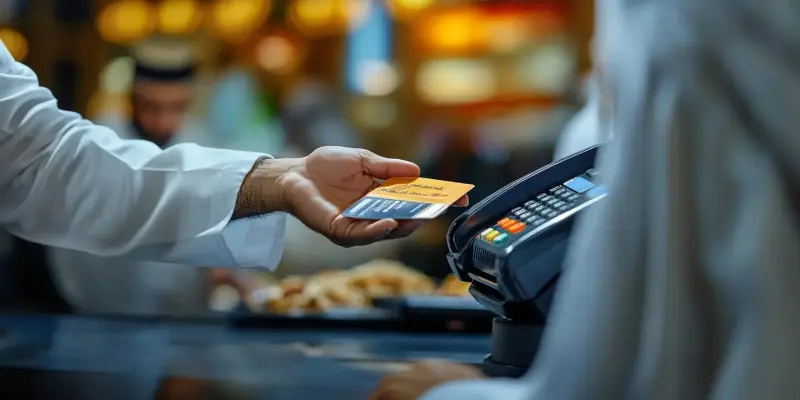
Today we have the pleasure of speaking with Nicholas Braiden, an early adopter of blockchain and a FinTech expert with extensive experience advising startups. Nicholas is passionate about the transformative potential of financial technology in reshaping digital payment and lending systems. Our discussion will cover the influence of demographics on digital payment growth in the Middle East, technological adoption, e-commerce trends, government involvement, and the future outlook of digital payments in the region.
How does the youthful population in the Middle East influence the growth of digital payments? Can you elaborate on how tech-savvy young people are driving demand for these payment methods? Why do you think younger generations are early adopters of digital payment technologies?The youthful demographic in the Middle East significantly drives the growth of digital payments. This population, being digital natives, has grown up immersed in technology, making them more inclined to adopt new digital products and services. Young people are naturally more tech-savvy, and they demand seamless, efficient digital payment methods that align with their digital lifestyle. Additionally, younger generations are often more open to experimentation and quick to embrace innovations that make their lives easier, such as mobile payment apps and real-time payment systems.
What role does smartphone penetration play in the adoption of real-time payments? How has the increase in mobile adoption made digital payments more accessible and convenient? Can you provide examples of regional mobile payment apps that are popular in the Middle East?Smartphone penetration plays a crucial role in the adoption of real-time payments. As more people have access to smartphones, digital payments become easier and more convenient. This accessibility drives the adoption rate, especially in the GCC, where smartphone penetration is projected to rise significantly. Examples of popular regional mobile payment apps include Bahrain-based BenefitPay, Saudi Arabia’s STCPay, and Careem Pay from the UAE. These apps offer tailored solutions and have made it simpler for users to perform transactions, pay bills, and manage their finances on the go.
How did the COVID-19 pandemic impact e-commerce and, in turn, digital payments in the Middle East? Why do you think “buy now, pay later” services have gained popularity in the region? What predictions do you have for the future of e-commerce and digital payments in the Middle East?The COVID-19 pandemic accelerated the shift to e-commerce in the Middle East, leading to a surge in online shopping and, consequently, a rise in digital payments. The “buy now, pay later” services have gained popularity due to offering consumers the flexibility to pay for their purchases in installments without interest, which appeals to budget-conscious shoppers. I predict that e-commerce and digital payments will continue to grow, with increasing consumer trust and further innovations in payment technologies driving this trend.
How has government investment in network infrastructure influenced the rise of digital payments? What are some examples of government-led initiatives that have promoted digital payments? How have collaborations between the public and private sectors fostered the growth of digital payments?Government investment in network infrastructure, such as the rollout of 5G networks and increasing internet speeds, has significantly influenced the rise of digital payments. These investments create an enabling environment that supports seamless digital transactions. Examples of government-led initiatives include Saudi Vision 2030, Egypt Vision 2030, and the UAE’s digital strategy. Collaborations between the public and private sectors, such as electronic know your customer (eKYC) systems, have streamlined financial transactions and fostered the growth of digital payments by making processes more efficient and secure.
How are digital payments boosting economic growth in the Middle East? What impact have digital payments had on financial inclusion, particularly for underserved markets? Can you discuss how digital payments are helping micro, small, and medium enterprises?Digital payments boost economic growth by facilitating faster and more efficient transactions, thus enhancing productivity. They also improve financial inclusion by providing access to financial services for underserved markets, such as migrant workers and small businesses, who may not have access to traditional banking services. Digital payment solutions help micro, small, and medium enterprises reduce their reliance on cash and avoid costly digital infrastructure investments. This increases their operational efficiency and opens up new opportunities for growth and innovation.
What future trends do you anticipate in the digital payments landscape of the Middle East? How do you think government policies will continue to shape the growth of this sector? What challenges do you foresee for the continued expansion of digital payments in the region?I anticipate that future trends in the digital payments landscape of the Middle East will include further integration of advanced technologies like blockchain and AI to enhance security and efficiency. Government policies will continue to play a crucial role in shaping the sector by fostering innovation and ensuring a conducive regulatory environment. However, challenges such as cybersecurity threats, regulatory hurdles, and the need for continuous technological upgrades may pose risks to the continued expansion of digital payments.
How have real-time payments improved the security of financial transactions? What are some features of mobile payment apps that make them convenient for users?Real-time payments have enhanced the security of financial transactions by reducing the time frame within which fraud can occur and allowing for immediate detection of suspicious activities. Features that make mobile payment apps convenient include quick and easy access, user-friendly interfaces, instant fund transfers, and seamless integration with other financial services, all of which contribute to a better user experience.
Do you have any advice for our readers?My advice to readers is to stay informed and be open to adopting new technologies that can improve their financial transactions and overall financial health. Embracing digital payment solutions can offer greater convenience, security, and efficiency, making it easier to manage finances in an increasingly digital world.