

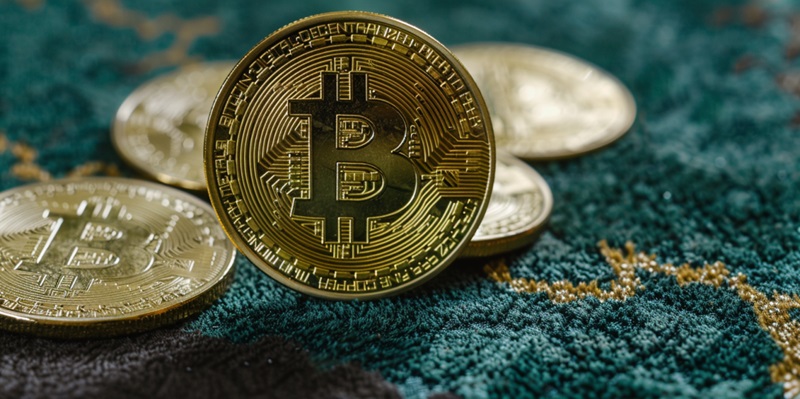
The intersection of traditional finance and the evolving realm of digital assets is increasingly becoming evident, with Japan-based Web3 company Metaplanet’s latest move exemplifying this trend. Metaplanet has bolstered its investment in Bitcoin, adding 19.87 BTC to its holdings, which represents a ¥200 million (approximately $1.25 million) commitment to the cryptocurrency. This action follows a previous investment where they poured ¥1 billion (around $6.25 million) into Bitcoin, bringing Metaplanet’s total Bitcoin assets to an impressive 117.7 BTC. The company’s growing financial stake in Bitcoin is a clear testament to its strategy of integrating with the burgeoning sector of digital finance, choosing Bitcoin as a primary treasury asset.
Institutional Sentiment and Market Reactions
Metaplanet’s foray into Bitcoin investment is not an isolated case, but rather part of a burgeoning institutional interest in cryptocurrencies. Upon announcing their initial investment in Bitcoin, Metaplanet saw a noticeable surge in their stock price, suggesting that investors respond favorably to the adoption of digital assets by traditional companies. This mirrors broader market sentiment where the integration of cryptocurrencies, like Bitcoin, is gaining mainstream traction. By committing to Bitcoin, Metaplanet signals to the wider financial community that digital assets may well hold the key to next-generation treasury management, offering a hedge against inflation and a potential store of value in uncertain economic times.
The impact of Metaplanet’s investment is far-reaching. It not only enhances the company’s financial portfolio but also contributes to the legitimacy of Bitcoin as an institutional-grade asset. Such moves by corporate entities have historically had a stimulating effect on the cryptocurrency’s value, suggesting that Metaplanet’s bolstered Bitcoin holdings could play a part in the digital currency’s price fluctuations. As more institutions align their financial strategies with the inclusion of crypto assets, we may see a reinforcing cycle that could drive Bitcoin’s price and establish its reputation as a viable, even desirable, component in diversified asset portfolios.
Cryptocurrency Market Dynamics
Japan’s Metaplanet, a firm entrenched in the Web3 space, is making a notable mark by deepening its investment in Bitcoin. The company recently intensified its crypto portfolio by acquiring an additional 19.87 BTC, equating to an investment of ¥200 million, or roughly $1.25 million. This strategic move isn’t their first foray into Bitcoin investment though, previously, Metaplanet allocated ¥1 billion—about $6.25 million—towards the digital currency. With the new purchase, their Bitcoin reserves total an impressive 117.7 BTC. This decision underscores Metaplanet’s commitment to incorporating digital assets into its financial strategies, with Bitcoin serving as a significant component of its treasury reserves. This is emblematic of a broader trend where traditional finance intersects with digital currencies, shaping a new financial paradigm. Metaplanet’s increasing Bitcoin assets signify their belief in the potential and stability of cryptocurrency as a legitimate investment vehicle within the digital economy.