

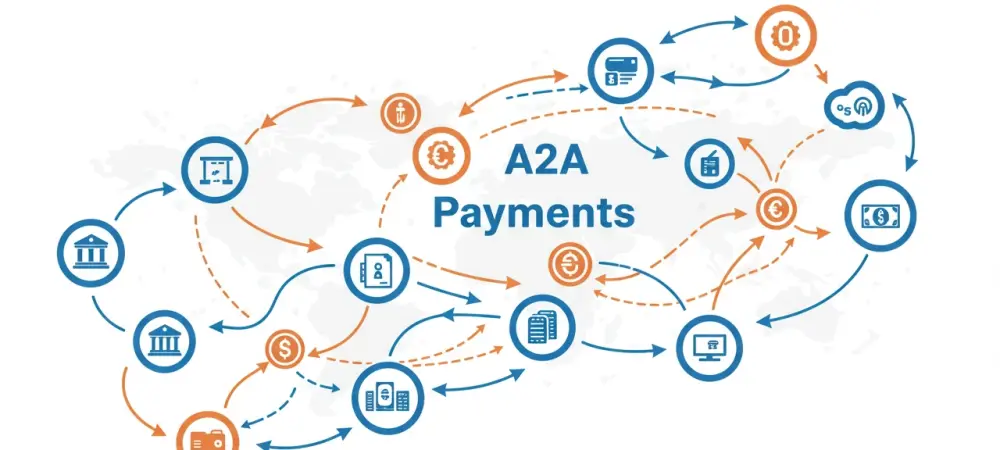
Mastercard has embarked on a significant initiative aimed at revolutionizing the payments landscape within the United Kingdom by launching a cutting-edge sandbox environment for experimenting with real-time account-to-account (A2A) payments. This innovative platform offers UK banks and financial institutions the opportunity to explore, test, and refine new payment services effectively within a secure and controlled environment. By providing a space without the risk of disrupting existing infrastructure, Mastercard is leveraging the UK’s leading role in real-time payments to further drive innovation. Later this year, the sandbox will grant access to Mastercard’s fifth-generation A2A instant payment technology, allowing financial institutions to conduct a wide range of payment flows while gaining valuable insights into potential advancements for the payment ecosystem.
Innovation Catalyst in the Payment Ecosystem
The introduction of the sandbox presents a pivotal opportunity for significant progress and innovation within the UK’s payment ecosystem, particularly owing to the capabilities it provides. Financial institutions can delve into the dynamics of various payment flows, including person-to-person, person-to-merchant, and business-to-business transactions. This experimentation is poised to pave the way for distinct advancements such as 5-leg credit transfers. With this feature, real-time retail payments become a seamless reality, as merchants receive instantaneous payment confirmations, fostering improved interactions between merchants and consumers. This structured environment allows testing and development of new financial tools and processes, optimizing efficiency and enhancing the overall user experience. The sandbox stands as a bridge between existing technology and future capabilities, offering vital groundwork for a dynamic payment infrastructure that serves modern needs.
Mastercard’s forward-thinking initiative aligns perfectly with the UK government’s National Payments Vision. This vision aims to stimulate economic growth by modernizing the country’s payment services infrastructure. By conforming to international ISO20022 standards, the sandbox offers richer data capabilities, which serve as a critical component in improving fraud detection mechanisms. Furthermore, better data management advances prospects for future payment sciences, unlocking untapped potential within the sector. An EY report underlines the extensive opportunities for economic growth, projecting a £9bn annual increase in GDP by the end of 2027. Such forecasts present a promising outlook for stakeholders as they navigate the landscape shaped by innovative payment solutions, marking leaps toward sustainable economic prosperity fueled by progressive technological advancements.
A Future-Ready Payments Infrastructure
At the heart of Mastercard’s initiative lies the ongoing modernization of the UK’s A2A payment infrastructure. “This approach offers immense advantages by facilitating the introduction of new financial products and capabilities. Apart from fostering innovation, the sandbox also provides a vivid glimpse into the potential future of account-to-account infrastructure. Mastercard’s platform is designed to be cloud-ready and user-friendly, streamlining integration through powerful APIs that cater to the needs of both developers and end-users alike. This streamlined approach enhances accessibility and encourages more entities to engage with state-of-the-art technological tools, setting the stage for a digitally adept ecosystem. By simplifying processes, Mastercard incentivizes broader participation across diverse sectors, laying down a blueprint for cohesive digital transformation across the payment industry. The unveiling of the sandbox at UK Finance’s Digital Innovation Summit underscored its essential role in advancing retail payments. The collaboration between Mastercard and UK Finance embodies optimism for industry-led solutions resonating with the National Payments Vision. Together, they emphasize a collective effort toward enhancing the UK’s payments sector by leveraging industry expertise and innovative methodologies. This collaboration reflects a unified approach directed at nurturing substantial economic growth. As technological advancement continues to shape the payment systems landscape, initiatives like Mastercard’s sandbox solidify the foundation for a future where adaptive and efficient payment solutions empower both institutions and consumers, heralding a new era in financial services.
Concluding Insights and Future Prospects
The introduction of the sandbox is pivotal for evolution and innovation within the UK’s payment ecosystem, thanks to its capabilities. It allows financial institutions to explore various payment flows, including person-to-person, person-to-merchant, and business-to-business transactions. This experimentation sets the stage for significant advancements like 5-leg credit transfers, which make real-time retail payments a reality. In this scenario, merchants receive instantaneous payment confirmations, enhancing merchant-consumer interactions. The structured environment of the sandbox is crucial for testing and developing new financial tools and processes, optimizing efficiency, and advancing the overall user experience. It acts as a connector between current technology and future capabilities, laying important groundwork for a dynamic payment infrastructure. Mastercard’s initiative is in perfect harmony with the UK government’s National Payments Vision aimed at economic stimulation by modernizing infrastructure. Adopting international ISO20022 standards, the sandbox allows richer data use, thereby improving fraud detection. An EY report suggests a £9bn annual GDP boost by 2027, offering a promising outlook for stakeholders as they leverage innovative payment solutions to fuel sustainable economic growth.