

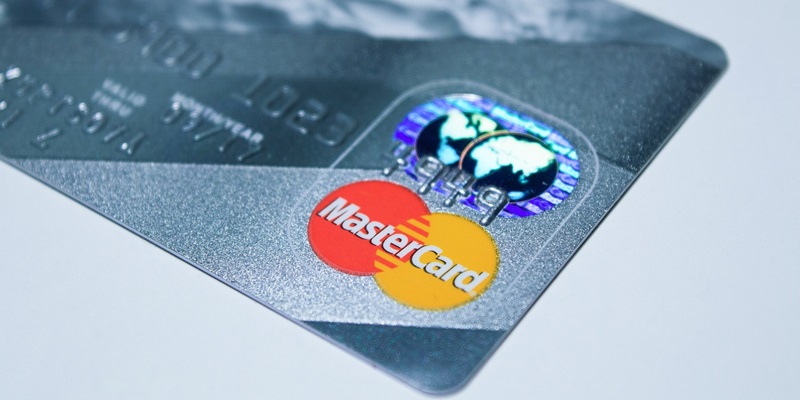
As Mastercard introduces its cutting-edge Payment Passkey Service in Latin America, the partnership with Sympla, Brazil’s leading events platform, and Yuno, a global payments orchestrator based in the region, marks a significant stride towards enhancing online checkout security and efficiency. Scheduled for a January launch, this innovative service holds immense potential to transform the online purchasing experience by leveraging device-based biometrics, such as fingerprints or facial scans, to replace traditional authentication methods like one-time passwords (OTPs). The initiative directly addresses mounting consumer concerns over the security and convenience of online transactions.
Enhancing Online Checkout Security and Efficiency
Leveraging Device-Based Biometrics
Device-based biometrics are increasingly becoming a cornerstone of secure digital transactions, deemed crucial by consumers. With a notable 90% of global consumers trusting biometrics as more secure than traditional passwords, the pivot towards these technologies shows immense promise. In Latin America specifically, a remarkable 85% of consumers express a preference for biometric authentication over conventional password systems. This heightened trust makes device-based biometrics an invaluable tool in the fight against online fraud and inefficiency during the checkout process.
Payment passkeys’ ability to mitigate common vulnerabilities such as phishing, SIM swapping, and message interception is a game-changer for online security. Conventional OTPs, though initially effective, have become susceptible to sophisticated malware and interception methods. By using biometrics, Mastercard’s Payment Passkey Service ensures that authentication is directly linked to the user’s physical presence, thereby making it significantly harder for fraudsters to compromise digital transactions. Moreover, the integration of tokenization technology, which replaces the primary account number (PAN) with a token, adds an extra layer of security. This advancement ensures that card data remains safe from fraudsters and is useless to them should a data breach occur.
Benefits for Consumers and E-Commerce Operators
Expedited Checkout Experience and Reduced Fraud Risk
For consumers, the Mastercard Payment Passkey Service promises an expedited and seamless checkout experience by utilizing stored Mastercard cards alongside biometric authentication methods. This eliminates the need to remember cumbersome passwords or carry out additional verification steps, streamlining the transaction process. Consequently, consumers can enjoy a faster, more convenient online buying experience, leading to greater satisfaction and loyalty. Additionally, this secure and swift authentication method reduces the incidence of cart abandonment, which often occurs due to complex or time-consuming verification processes.
E-commerce operators stand to benefit immensely from reduced fraud risks and lower rates of abandoned shopping carts due to the enhanced security provided by the Payment Passkey Service. By deploying Mastercard’s advanced tokenization and biometric systems, online retailers can significantly diminish fraudulent activities, creating a safer shopping environment for their customers. Furthermore, with the anticipated rise in retail e-commerce sales in Latin America, projected to nearly reach $180 billion this year, the implementation of such secure authentication methods is both timely and critical. This substantial market growth underscores the importance of fostering trust and convenience in online transactions to capture and retain the growing consumer base.
Issuers and the Future of Authentication
For issuers, Mastercard’s new service offers an efficient alternative method for cardholder authentication, directly addressing the growing challenge of fraudulent activities in digital commerce. By reducing reliance on traditional OTPs and passwords, issuers can lower their operational risks and offer customer-centric solutions that align with contemporary security standards. Biometric authentication fosters a more personal and secure relationship between the cardholder and the financial institution, ultimately fortifying the trust in digital transactions.
The broader trend in Latin America towards safer and more efficient online payment solutions accentuates the significance of the Mastercard Payment Passkey Service. The region’s consumers and businesses are increasingly prioritizing secure, streamlined payment processes, creating a fertile ground for adopting innovations such as biometric authentication. Combined with Mastercard’s robust tokenization technology, this service not only meets current security demands but also sets a new benchmark for future transaction standards. With significant uptake predicted due to the clear security advantages and market readiness, the Payment Passkey Service is poised to lead a transformative wave in Latin America’s digital payment landscape.
Strategic Partnerships and Market Impact
Collaborative Efforts with Sympla and Yuno
Mastercard’s strategic partnerships with Sympla and Yuno underscore a collective commitment to revolutionizing online payment security and efficiency in Latin America. Sympla’s Executive Director, Marina Teixeira, expressed enthusiasm about the alignment of the Payment Passkey Service with their goals of providing a simpler, faster, and safer customer journey. This collaboration is expected to significantly enhance the user experience on Sympla’s platform, benefitting from the advanced security features offered by Mastercard’s latest innovation.
Yuno’s Co-founder and CEO, Juan Pablo Ortega, emphasized the critical role of adopting innovative authentication solutions like Passkeys to improve user satisfaction and conversion rates. By integrating such cutting-edge technology, Yuno aims to elevate the standard of online transactions in Latin America, addressing pervasive security concerns and fostering consumer trust. This alignment of objectives between Mastercard, Sympla, and Yuno illustrates a shared vision of a more secure and efficient digital economy, highlighting the potential for widespread positive impact across the region.
Anticipated Market Reception and Future Developments
Mastercard is set to launch its cutting-edge Payment Passkey Service in Latin America this January. This service promises to revolutionize online checkout processes by bolstering security and streamlining efficiency. Key partnerships with Sympla, Brazil’s leading events platform, and Yuno, a global payment orchestrator rooted in the region, highlight this major upgrade. The service is poised to transform the online purchasing experience by utilizing advanced device-based biometrics, such as fingerprints or facial recognition, instead of traditional methods like one-time passwords (OTPs). This innovation directly targets increasing consumer concerns regarding the safety and ease of online transactions. It aims to mitigate risks associated with online shopping, offering a secure, seamless, and convenient alternative for users. As digital commerce continues to grow, such advancements are crucial for fostering trust and enhancing user experience in the digital marketplace.