

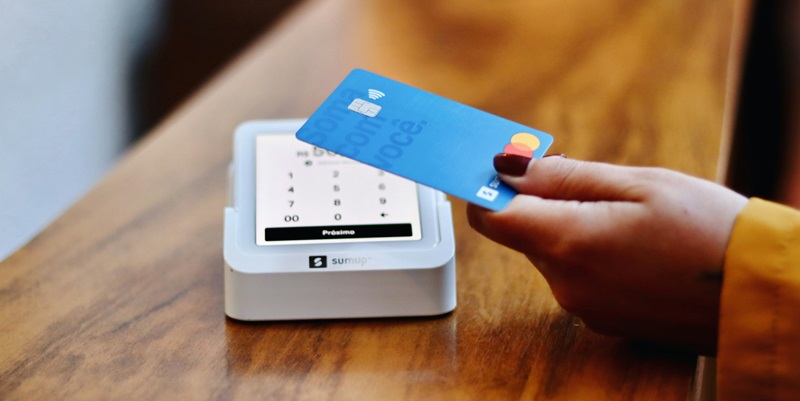
Mastercard is enhancing its US Installments program to add more payment flexibility at checkout, addressing the growing consumer demand for such options. This program, facilitated through Mastercard Installment Payment Services, now enables various ecosystem players—including merchants, financial service providers, payment processors, and digital wallets—to offer installment payment plans to consumers via any eligible credit card from participating issuers. This approach allows consumers to split their purchases into pre-approved installment plans without needing to undergo additional application processes, essentially streamlining the checkout experience.
Enhancing Checkout Flexibility
Collaborating with Key Partners
By collaborating with key partners like Global Payments, Skipify, and Splitit, Mastercard is enabling participating issuers to extend card-attached offers across multiple payment channels. These channels include digital wallets, connected point-of-sale systems, and other digital payment methods, providing a broad range of options to consumers and merchants. Merchants can now connect to an API-based platform, giving them access to millions of pre-approved installment offers. This API-based setup ensures a seamless process, making it easier for businesses to integrate and offer installment options at the time of purchase.
This new setup allows personalized payment plans to be tailored to individual consumers, providing flexible and manageable options for larger purchases, such as travel or significant shopping expenses. These partner collaborations are not merely for operational ease but also aim to build a consumer-friendly payment ecosystem that reacts to market needs. With these tailored offerings, major transactions that consumers might have delayed can now be transacted without immediate financial burden.
Consumer Preferences and Trends
Consumer behavior trends reveal that 33% of customers prefer card-linked installments for big-ticket items over other installment options. Moreover, 67% of installment users indicated they would switch to a new merchant offering card-linked installment options. Consequently, this reflects the growing importance and demand for flexible payment methods among consumers. The preference for card-linked installments is not just about delayed payments but also about convenience and trust in existing payment methods. Consumers appear to gravitate towards options that add little to no friction to their current financial operations.
Mastercard’s move responds directly to these consumer preferences, aiming to improve the overall checkout experience significantly. Consumers integrating installment payments into their existing credit cards enjoy enhanced value and convenience. At the same time, merchants benefit from a simplified and consolidated offering approach. This holistic strategy ensures that the pain points experienced during transactions are minimized while maximizing the value offered to both consumers and merchants.
Secure and Consistent Experience
Ensuring Responsible Lending Practices
Adhering to Mastercard’s guidelines, issuers, merchants, and associated channels ensure that the enhanced program not only accommodates consumer preferences but does so in a secure manner that adheres to responsible lending and data usage practices. The expanded program provides consumers with the same assurances they expect from other Mastercard products, including tokenization, dispute resolution, and Zero Liability Protection. These measures ensure that consumers can utilize installment plans without compromising their financial security or data privacy, a vital aspect in today’s digital transaction landscape.
Seema Chibber, Mastercard’s EVP of Core Products in North America, highlighted the increasing consumer demand for installments and underscored the commitment from issuers and merchants to offer payment methods that are both transparent and flexible. Through advanced technological integration and strategic partnerships, Mastercard is delivering a modern, streamlined solution that meets the needs of today’s market. This commitment underscores the importance of maintaining high standards of security and consistency, even as payment methods evolve to meet changing consumer needs.
Value of Strategic Partnerships
Key partners have also underscored the program’s value, emphasizing their roles in building a secure, flexible, and compliant payment ecosystem. Dondi Black, EVP and Chief Product Officer of Issuing at Global Payments, emphasized the company’s dedication to offering secure and flexible payment options that foster consumer trust and compliance. Jeff Smith, SVP Partnerships at Skipify, noted the significance of the collaboration in making checkout experiences more flexible and intuitive for shoppers, aligning with Skipify’s mission to simplify digital transactions.
Collin Flotta, Head of Product at Splitit, expressed excitement about supporting Mastercard’s installments program, reinforcing the shared vision of enhancing payment flexibility at checkout. These endorsements from key partners indicate a unified commitment to enhancing consumer experiences and payment flexibility. Their combined expertise and resources contribute to building a comprehensive framework that not only meets but anticipates market demands.
Conclusion
Mastercard is expanding its US Installments program to offer greater payment flexibility at checkout, catering to the growing consumer preference for such options. This enhanced program, through Mastercard Installment Payment Services, now allows a wide array of ecosystem participants—including retailers, banks, payment processors, and digital wallets—to provide installment payment plans to consumers using eligible credit cards from participating issuers. By enabling shoppers to divide their purchases into pre-approved installment plans, the program removes the need for extra application processes, thus simplifying the checkout experience significantly.
Additionally, this development is aimed at modernizing the payment landscape by integrating installment options directly into existing credit card frameworks. This not only provides consumers with more ways to manage their finances but also encourages a seamless and efficient transaction process. The initiative is particularly timely, given the increasing trend towards flexible payment solutions, and it sets the stage for a more dynamic and accommodating financial ecosystem, making it easier for consumers to plan and make purchases.