

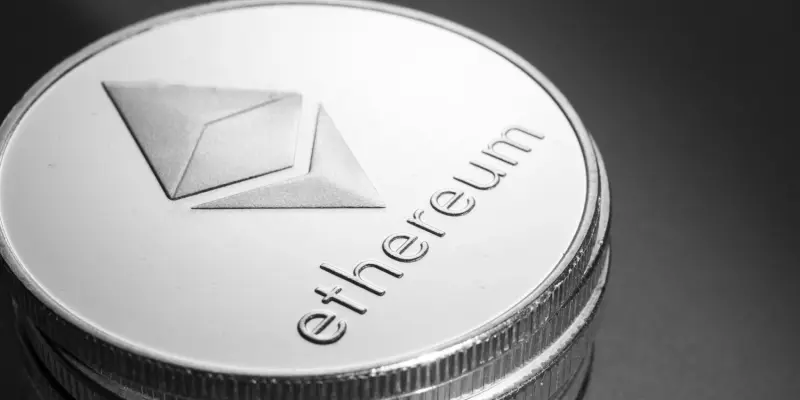
In the dynamic world of cryptocurrencies, shifts in market leadership can occur rapidly, and 2025 is witnessing such a transition. Once dominant in the digital currency space, Ethereum (ETH) and XRP are currently facing significant challenges, with recent market dynamics reflecting their struggles. These established cryptocurrencies are experiencing a slowdown in growth and failing to breach critical market resistance points that were once easily surpassed. Amidst this decline, MAGACOIN FINANCE, a new entrant in the cryptocurrency market, begins to attract significant attention from investors looking for high-yield opportunities. This emerging player, actively engaging potential investors during its presale phase, is becoming increasingly noteworthy, showing promise where larger, more established cryptocurrencies seem to falter.
Challenges for Established Cryptocurrencies
Ethereum and XRP, both cornerstone assets in the cryptocurrency market, are encountering difficulties that reflect broader trends of market fatigue and investor caution. Ethereum, a pioneer in providing a platform for decentralized applications, has seen its market dominance wane. Despite being critical in past market eras, Ethereum now struggles amid heightened pressures that threaten its ability to maintain upward price movements. Specifically, it has failed to consistently surpass its pivotal 50-day moving average, a benchmark used by traders to gauge technical performance. This incapacity serves as a signal of deteriorating market strength and could influence investor confidence negatively, as the cryptocurrency remains below long-term averages that historically offered support.
Similarly, XRP, another historically significant cryptocurrency, is navigating its share of headwinds. After a strong initial performance earlier in the year, characterized by a notable price surge, XRP’s momentum has slowed considerably. It now faces challenges typical of assets undergoing consolidation, where prices stabilize following a period of rapid increase. XRP’s technical indicators reveal mixed signals; for instance, the 200-day exponential moving average imposes significant resistance, complicating XRP’s ability to regain bullish momentum. The combination of caution among traders and a decrease in futures open interest—which reflects reduced speculative activity—further suggests that investor enthusiasm for XRP may be waning in the face of a challenging market environment.
Ethereum’s Struggles
The struggles facing Ethereum underscore the challenges older cryptocurrencies encounter within a highly competitive and evolving market space. Once the premier platform for decentralized applications, Ethereum is now grappling with persistent market pressures that have made it difficult to reclaim its past performance. The cryptocurrency has repeatedly failed to rise above its 50-day moving average, presenting a tangible obstacle to increased investor sentiment. Current market prices steadfastly hover beneath critical technical levels, such as its long-standing moving averages, that in the past would bolster its market position. These technical struggles reflect broader strategic hurdles for Ethereum as it seeks to maintain its edge as competitors innovate.
Continuing its trend from earlier in the year, Ethereum finds itself in a battleground against the resistance levels that were once quickly surmountable. The $1,782 resistance, in particular, acts as a cap for upward movement, suggesting that the asset lacks the momentum necessary for a sustained rally. This ongoing battle represents deeper structural issues within Ethereum’s ecosystem, including scalability and transaction cost challenges that have yet to be resolved definitively. For investors, such challenges translate into increased volatility and uncertainty, which could dampen long-term enthusiasm unless resolved or mitigated, potentially affecting its standing in the digital landscape.
Current State of XRP
XRP’s current market state is emblematic of consolidation, often following a period of rapid ascent as it recalibrates amid broader market fluctuations. Following a vigorous first-quarter rally, where prices reached new heights, XRP now navigates a more subdued environment. Consolidation phases can be critical for assets like XRP, providing a period of stabilization that might precede future price movements. However, these periods also test the resilience of investor interest, especially when technical indicators such as the 200-day exponential moving average present significant resistance, posing challenges to bullish attempts.
Moreover, the path forward for XRP involves deciphering mixed messages from technical analyses and market sentiment. While shorter-term indicators may suggest potential upward trajectories, the overarching resistance from long-term averages and a diminishment in speculative interest pose hurdles. The decline in futures open interest, specifically a $520 million reduction, signals caution among speculative investors, indicating a shift in investor strategy. XRP’s future performance will largely depend on its ability to navigate these technical barriers and rekindle investor enthusiasm amidst an environment rife with competitive emerging alternatives.
The Emergence of MAGACOIN FINANCE
In stark contrast to the challenges faced by established digital currencies, MAGACOIN FINANCE is capturing attention with its early-stage potential and progress in its presale initiatives. As larger cryptocurrencies like Ethereum and XRP grapple with stagnation, MAGACOIN FINANCE leverages its infancy status and low entry cost to appeal to speculative investors. These investors are drawn to the cryptocurrency’s perceived potential for significant returns, driven by its emerging status and attractive presale pricing. The combination of modest token prices and the allure of substantial returns makes it an attractive venture for those seeking fresh opportunities in a market characterized by change.
With its strategic presale activities, MAGACOIN FINANCE taps into the psyche of micro-cap investors who are often active across digital communities, notably on platforms like Discord. The cryptocurrency’s proactive engagement with this audience underscores the importance of community building in the digital economy, where active participation can enhance market recognition and momentum. Beyond leveraging low pricing, MAGACOIN FINANCE’s presale success reflects broader market trends, where investors are increasingly willing to explore less conventional assets in pursuit of high-stakes returns. The willingness to allocate capital to new ventures highlights a pivot towards burgeoning projects that promise growth amidst market volatility.
Investment Opportunity Dynamics
The shifting dynamics of investment opportunities in the cryptocurrency sphere reveal a broader transition from traditional major cryptocurrencies to innovative new ventures like MAGACOIN FINANCE. In a market where familiar players face stagnation, a significant shift toward micro-cap assets is occurring, driven by their potential for higher returns amid a volatile environment. MAGACOIN FINANCE’s presale tokens, priced under a cent, offer a tempting promise of price appreciation, capturing the interest of risk-tolerant investors looking for substantial gains. This allure is reflected in the enthusiastic involvement within its growing community, where eagerness to engage with new technologies is palpable.
Active participation in MAGACOIN FINANCE’s presale, characterized by strategic investors transferring funds from well-known currencies like Ethereum and Cardano, indicates a pivot toward embracing innovative ventures with promising growth prospects. As the presale achieves higher quotas beyond initial projections, it sheds light on the current appetite for emerging opportunities that outpace traditional options constrained by existing limitations. This trend suggests that investors are increasingly interested in diversifying their portfolios with ventures that, although carrying inherent risks, offer a potential edge in achieving notable returns, driven by the dynamic nature of the digital asset landscape.
Conclusion
Ethereum and XRP, both foundational in the cryptocurrency arena, face challenges mirroring broader market fatigue and wary investor sentiment. Ethereum, once a leader in decentralized applications, now sees its dominance slipping. Once pivotal, it struggles under increasing strain impacting its upward price trajectory. It notably fails to maintain its 50-day moving average—a key technical indicator traders use to assess market strength. This shortfall signifies weakening market conditions and could erode investor confidence as it remains under long-term averages that previously provided support.
Similarly, XRP is weathering its own set of challenges. Earlier, it enjoyed a significant price surge, but its momentum has since dwindled. Currently, it’s in a consolidation phase, with prices leveling off post-rapid rise. Indicators give mixed signals; chiefly, the 200-day exponential moving average presents formidable resistance, hindering a return to bullish trends. This, coupled with trader caution and a drop in futures open interest—indicative of reduced speculative activity—suggests waning enthusiasm amid a tough market landscape.