

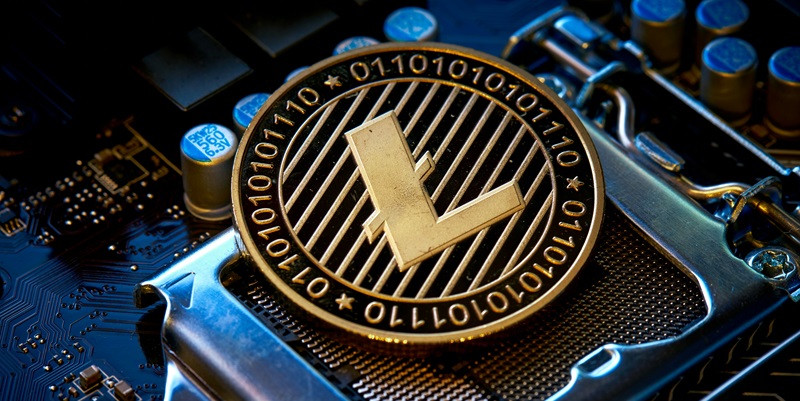
Litecoin (LTC) has recently faced significant market turbulence, leading to a decline in its value and sparking varied reactions among different investor groups. This article delves into the contributing factors, the behavior of investors, and the technical indicators that have been influencing Litecoin’s market performance. Understanding these dynamics is crucial as they shed light on both the immediate challenges and the potential long-term outlook for this prominent cryptocurrency.
Recent Market Decline
Litecoin has seen a notable drop in market value, falling about 36% since its peak on April 1. This decline has raised alarm among traders and long-term investors, questioning the cryptocurrency’s viability. Several factors contribute to this downturn, with panic-selling by smaller investors playing a significant role. The sell-off, particularly noticed among "shrimp holders"—those possessing less than 1 LTC—has exacerbated the situation. On-chain data analytics from Santiment indicate that these smaller investors have offloaded over 45,200 LTC in recent weeks. This trend signifies a loss of confidence among retail investors, who often panic first in the face of financial uncertainty.
The impact of these smaller investors’ behavior cannot be overstated. When retail investors liquidate their holdings en masse, the market often reacts with increased volatility, further fueling fears and uncertainty. The panic selling not only contributes to price declines but also creates a climate of doubt and insecurity among other market participants. This phenomenon often sets off a chain reaction, discouraging new investments and making recovery efforts even more challenging. As panic spreads, it can lead to a self-perpetuating cycle of decline, where falling prices drive more sales, which in turn drive prices even lower.
Retail Investor Exodus
The behavior of retail investors has been a key driver behind Litecoin’s market decline. When small-scale investors panic and liquidate their holdings, it often precipitates a more extensive market downturn. The recent exodus of shrimp holders indicates a broad-based retreat among retail investors. This panic-selling not only contributes to price declines but also creates a climate of fear and uncertainty. As these small-time investors exit the market, their actions signal to others that further losses may be imminent, thereby discouraging new investments. The psychological impact on the market can be profound, leading to a self-reinforcing cycle of decline.
Retail investors are often more reactive to market news and sentiment than their institutional counterparts. This heightened sensitivity can result in swift, collective action that amplifies market swings. In the case of Litecoin, the widespread sell-offs among shrimp holders have generated significant downward pressure on prices. As these smaller investors flee, the market’s overall liquidity is reduced, which can lead to further volatility and price instability. The retreat of retail investors thus highlights the fragility of market confidence, showing how quickly sentiment can shift from optimism to fear.
Technical Indicators and Market Trends
Technically, Litecoin is struggling. Trading around $63, it lies significantly below its key moving averages, which now act as resistance levels. The 200-day moving average, a crucial indicator for long-term market trends, is around $70—far above Litecoin’s current price. The Relative Strength Index (RSI) at 44 suggests neither an oversold condition nor robust buying interest. This ambivalence in market momentum points to a lack of clear direction. Additionally, low trading volumes underscore the lack of fresh investment flowing into Litecoin, casting doubts on immediate prospects for recovery.
The technical indicators paint a grim picture for Litecoin’s short-term outlook. The significant gap between the current trading price and key moving averages suggests that any recovery will face substantial resistance. This technical resistance can create barriers to upward movement, making it difficult for Litecoin to regain its previous highs. Furthermore, the current RSI level indicates a lack of strong buying interest, which is crucial for reversing the downward trend. Without a surge in buying activity, Litecoin may continue to hover around its current levels, struggling to break through resistance points and gain upward momentum.
Institutional Interest Remains Strong
Despite the bearish market conditions, institutional interest in Litecoin remains steadfast. Prominent cryptocurrency investment firm Grayscale has notably increased its Litecoin holdings to unprecedented levels. This indicates that some institutional investors still see potential value in Litecoin, even as smaller retail investors exit the market. Institutional investors often look beyond short-term volatility, focusing instead on long-term value. Grayscale’s increasing holdings in Litecoin suggest a belief in the cryptocurrency’s enduring potential. This sustained institutional interest could serve as a stabilizing force amid market turmoil.
Institutional investors typically conduct more thorough analyses and adopt a longer-term perspective compared to retail investors. Their continued interest in Litecoin, as demonstrated by Grayscale’s actions, suggests confidence in the cryptocurrency’s fundamentals and future prospects. Institutional support can provide a much-needed anchor during turbulent times, potentially mitigating extreme volatility and offering a semblance of stability. Moreover, the involvement of large, reputable investment firms can attract additional interest from other institutional players, creating a more robust market base for Litecoin.
Strength of the Network
Another positive aspect amidst the market downturn is the growing strength of Litecoin’s network. The hashrate, an indicator of the network’s computational power and security, has reached an all-time high of 1.29 PH/s. This increase highlights a sustained commitment from miners, who are critical to the cryptocurrency’s underlying infrastructure. A robust hashrate ensures network stability and security, providing a cornerstone of trust in Litecoin’s long-term viability. Even if market prices flutter, a strong network foundation can inspire confidence among investors and stakeholders, potentially aiding in future recovery efforts.
The increasing hashrate signifies that miners continue to invest resources into maintaining and securing the Litecoin network. This commitment from the mining community is crucial for the cryptocurrency’s overall health and sustainability. A high hashrate not only enhances security but also demonstrates confidence in Litecoin’s future potential. As miners contribute to the network’s robustness, they help build a solid foundation that can support growth and recovery. This foundational strength can be a reassuring factor for investors, signaling that, despite current price challenges, the underlying technology and infrastructure remain sound.
Mixed Sentiments and Broader Economic Factors
Litecoin (LTC) has recently experienced notable market instability, causing its value to drop and generating diverse reactions among various investor groups. This piece explores the underlying factors contributing to this turbulence, scrutinizing investor behavior and the technical indicators that have been influencing Litecoin’s market trends. Several elements have been at play, such as market sentiment, regulatory developments, and broader economic conditions, all of which have affected Litecoin’s performance. By examining these aspects, we can gain a clearer understanding of the immediate obstacles and the long-term prospects for this prominent cryptocurrency. Investors are reacting in a spectrum of ways, from panic selling to holding firm in the hope of a rebound. Technical indicators, like moving averages and trading volumes, offer insights into future price movements. Understanding these dynamics is essential, as they provide a comprehensive view of both the current challenges and the potential growth trajectory for Litecoin. This analysis is crucial for anyone looking to navigate the complexities of the cryptocurrency market.