

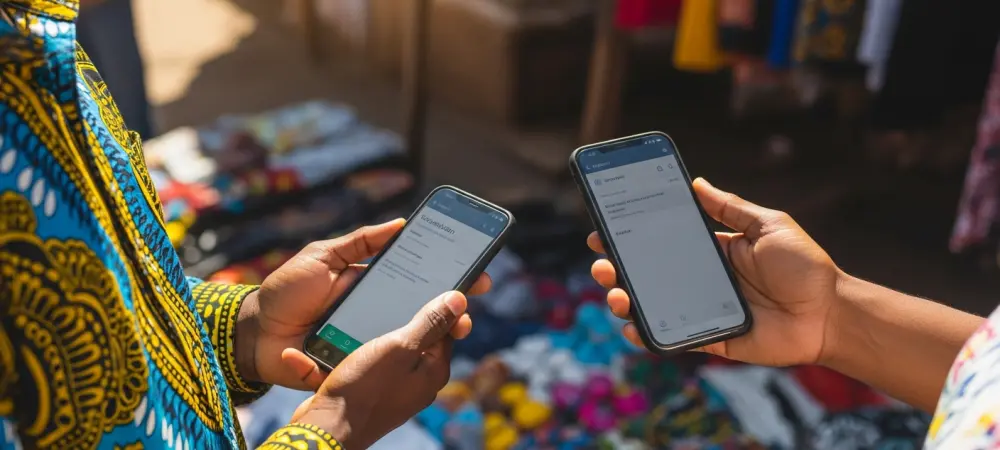
The financial infrastructure of West Africa is currently undergoing a radical transformation as digital payment ecosystems replace traditional cash-based systems in everyday market transactions. This shift is not merely a matter of convenience for urban dwellers but a fundamental socioeconomic necessity that addresses the long-standing fragmentation of African economies. Organizations like the AfricaNenda Foundation have highlighted that moving away from isolated “closed-loop” digital services is essential for fostering a truly inclusive environment. In these legacy systems, users were often trapped within a single provider’s network, unable to send funds to recipients using different platforms without incurring prohibitive costs or navigating complex technical hurdles. By championing the transition to Inclusive Instant Payment Systems (IIPS), nations like Liberia are working to align their domestic financial strategies with the broader objectives of the African Continental Free Trade Area (AfCFTA). This movement aims to unify the continent’s disparate markets, ensuring that low-income populations and those in the informal sector are no longer excluded from the benefits of modern financial technology. The concept of interoperability serves as the engine for this revolution, allowing banks, mobile money operators, and microfinance institutions to communicate within a seamless network. For the average citizen, this means the friction of daily commerce is drastically reduced, as a single digital wallet becomes a universal tool for trade. Beyond the technical mechanics, the focus on inclusivity ensures that the elderly and those with limited digital literacy can participate without feeling overwhelmed by a multitude of competing services. As these digital walls crumble, the potential for regional economic growth expands, providing a stable foundation for the United Nations Sustainable Development Goals. The integration of these systems represents a departure from the historical reliance on physical currency, which has often been a barrier to transparency and formal economic participation for the continent’s most vulnerable demographics.
Strengthening National Infrastructure and Governance
The Implementation of Liberia’s “Pay Na-Na” System
Liberia has marked a definitive milestone in its digital journey with the operational rollout of the “Pay Na-Na” initiative, a centralized platform managed by the Central Bank of Liberia. This system functions as a national clearinghouse, bridging the gap between various mobile money providers and commercial banks to ensure that funds move instantly between different accounts. By establishing this sovereign infrastructure, the government has created a formal environment where financial transactions are recorded and protected, moving the country toward a more transparent economy. This infrastructure is specifically designed to handle high volumes of low-value transactions, which are the lifeblood of the local markets in Monrovia and the surrounding rural districts.
The success of “Pay Na-Na” relies heavily on the active participation of all major financial actors, who must adhere to the central bank’s technical standards to ensure total connectivity. This collective approach prevents any single private entity from monopolizing the digital payment space, thereby fostering a competitive environment that benefits the end user. As more vendors and service providers integrate with the platform, the utility of digital currency increases, making it a more attractive option than physical cash. The government’s role as a primary overseer ensures that the system remains resilient against cyber threats while maintaining the high uptime required for a modern economy to function without interruption.
Standardizing Regulatory Frameworks for Economic Stability
To complement the technical deployment of “Pay Na-Na,” the Central Bank of Liberia has introduced a comprehensive regulatory framework designed to keep costs low and predictable for all participants. One of the most significant interventions is the imposition of fee caps on peer-to-peer transfers, which are currently limited to 1% for standard transactions between different mobile money operators. This prevents the “interoperability tax” that often occurs when private companies charge high premiums for cross-network services. By standardizing these costs, the central bank has removed a major deterrent for small-scale traders and informal workers who operate on thin margins and cannot afford unpredictable service fees.
Furthermore, these regulations provide a level of consumer protection that was previously absent in the informal cash economy. Users now have access to dispute resolution mechanisms and a clear paper trail for every transaction, which builds the necessary trust for widespread adoption. This regulatory clarity also provides a stable environment for international investors and local startups to develop new fintech solutions on top of the existing national rail. By balancing innovation with strict oversight, Liberia is demonstrating how a proactive central bank can facilitate economic growth while safeguarding the financial integrity of its citizens. This dual focus on affordability and security is what distinguishes an inclusive system from a merely functional one.
Addressing the Challenges of Cross-Border Integration
Reducing Costs and Harmonizing Regional Regulations
While domestic progress in Liberia is evident, the broader challenge of cross-border remittances continues to impact economic integration across Sub-Saharan Africa. The region remains one of the most expensive corridors in the world for moving money, with average fees hovering around 8% per transaction, largely due to the lack of coordination between national regulatory bodies. These high costs act as a significant drain on the income of migrant workers and small businesses attempting to trade across borders. To combat this, regional blocks are looking toward harmonizing their financial laws to eliminate the “regulatory fragmentation” that forces institutions to comply with multiple, often conflicting, sets of rules.
The move toward regional harmonization is not just about lowering prices; it is about creating a unified legal language that allows for faster and more secure international transfers. When central banks across a region align their supervisory approaches, the risk associated with cross-border payments decreases, allowing financial institutions to pass those savings on to their customers. This alignment is a critical step in fulfilling the promise of the AfCFTA, as it allows for the free flow of capital alongside the free flow of goods and services. By reducing the complexity of international trade, African nations can unlock new levels of internal commerce that were previously hindered by the inefficiencies of traditional banking corridors.
Driving Regional Interoperability Through Fintech Passporting
One of the most promising solutions to regional fragmentation is the introduction of “fintech licensing passporting,” a mechanism that allows a certified provider in one country to operate across multiple jurisdictions. This approach eliminates the need for startups to undergo the lengthy and expensive process of acquiring a new license in every country where they wish to offer services. By lowering these barriers to entry, passporting encourages a more dynamic and competitive market, as innovative companies can scale their operations more rapidly across the continent. This increased competition naturally drives down costs for consumers and pushes existing players to improve the quality of their digital offerings.
Central banks are increasingly shifting their focus from being strict gatekeepers of the status quo to becoming facilitators of this technological evolution. This shift involves adopting a “sandbox” approach where new financial products can be tested under supervision before being rolled out to the general public. By allowing for controlled innovation, regulators can ensure that the rapid growth of the digital economy does not compromise the stability of the national financial system. This proactive stance is essential for maintaining a balance between the speed of technological change and the necessity of robust consumer protection. As more nations adopt these collaborative strategies, the vision of a truly integrated African digital market moves closer to reality.
Expanding the Scope of Financial Inclusion
Beyond Simple Transactions to Comprehensive Financial Tools
A truly transformative payment system must serve as more than just a digital version of a wallet; it must act as a gateway to a broader suite of financial products. For many Africans, their first digital transaction is the beginning of a digital footprint that can eventually lead to access to micro-credit, insurance, and long-term savings accounts. These tools are vital for helping individuals manage economic shocks, such as crop failure or health emergencies, which can often push families back into poverty. By leveraging the data generated through regular payment activity, financial institutions can assess the creditworthiness of individuals who lack traditional collateral, such as land titles or formal pay stubs.
This transition from simple payments to complex financial services represents the next stage of the digital revolution in Liberia and beyond. When a street vendor can use their transaction history to secure a small loan for inventory, the entire local economy benefits from increased liquidity and growth. The focus is now on developing user-centric products that are tailored to the specific needs of the informal sector, such as flexible insurance premiums that can be paid in small increments. By integrating these tools directly into the instant payment platforms, providers can ensure that financial inclusion leads to genuine economic empowerment and long-term resilience for all participants.
Empowering Marginalized Groups Through Targeted Digital Design
Gender-inclusive design has become a priority for developers and policymakers who recognize that women in rural and informal sectors face unique barriers to financial access. Traditional banking often requires long-distance travel to physical branches, which can be impossible for women with significant household and childcare responsibilities. Inclusive digital payment systems solve this problem by bringing the bank to the user’s mobile device, allowing for private and secure management of funds. This autonomy is crucial for women’s economic empowerment, as it gives them direct control over their earnings and allows them to make independent decisions about household spending and education.
Furthermore, the design of these systems must account for the reality of the digital divide, where women may have less access to high-end smartphones or reliable internet connections. Developers are increasingly utilizing USSD technology and simplified interfaces that work on basic feature phones to ensure that no one is left behind due to technical or financial limitations. By involving women in the design process and focusing on the specific challenges they face, the digital economy can become a powerful tool for social equity. This inclusive approach not only improves the lives of individual women but also strengthens the economic fabric of entire communities, as studies consistently show that women are more likely to reinvest their income back into their families.
The Path Toward a Pan-African Digital Economy
Tracking Growth and Projecting Future Connectivity
The momentum for digital interoperability has accelerated rapidly across the continent, with over 30 instant payment systems currently active and facilitating millions of transactions daily. The period spanning from 2025 into 2026 saw a significant surge in the adoption of these platforms, signaling a broad consensus among African leaders that digital infrastructure is the primary driver of modern economic growth. While some nations are still in the early phases of connecting their mobile money networks, the general trajectory is toward a more mature and integrated landscape. This growth is supported by a growing network of fiber optic cables and expanded mobile data coverage, which provides the necessary hardware for digital finance to flourish in even the most remote areas.
The evolution of these national systems into a cohesive Pan-African framework is no longer a distant ambition but a tangible goal that is being realized through regional partnerships. These platforms are increasingly being designed with international standards in mind, ensuring that they can eventually be linked to create a seamless network that spans the entire continent. For a country like Liberia, staying committed to these standards is essential for ensuring that its citizens can participate in the wider African economy. The ongoing success of domestic initiatives serves as a blueprint for other nations, proving that with the right combination of political will and technical innovation, the barriers to financial inclusion can be systematically dismantled.
Strategic Directions for Long-Term Digital Sovereignty
The progress achieved in the realm of instant payments was defined by a shift in how governments and private entities collaborated to serve the public interest. Stakeholders recognized that the initial investments in national rails like “Pay Na-Na” were essential for establishing a foundation of digital sovereignty, reducing the reliance on external platforms and high-fee international intermediaries. This strategy successfully moved the conversation from mere connectivity to the quality and depth of financial participation. Leaders across the continent identified that the removal of technical silos was only the first step, and the real value was found in the data-driven insights that allowed for more targeted economic policies and social safety nets.
Moving forward, the focus was directed toward deepening the integration of these systems with government services, such as social security payments and tax collection, to further formalize the economy. These actions established a cycle of trust and utility that encouraged even the most skeptical participants to migrate toward digital tools. The path forward required a sustained commitment to infrastructure maintenance and the continuous updating of regulatory frameworks to keep pace with emerging technologies like decentralized finance. By maintaining this proactive and inclusive stance, the region ensured that the digital economy remained a public good that served the needs of all citizens, regardless of their socioeconomic status. This holistic approach eventually transformed the regional market into a global model for inclusive financial growth.