

The once-stark boundary between the digital swipe and the tangible storefront has dissolved as South Korea’s most influential online platforms plant permanent roots in the bustling concrete neighborhoods of Seoul. This structural transformation marks a definitive era where the giants of vertical e-commerce—those platforms that specialized in singular categories like fashion or home decor—are no longer content with existing solely behind glass screens. Instead, they are aggressively securing prime real estate in districts like Seongsu and Bukchon to establish an “omnichannel” presence that fuses the convenience of an algorithm with the tactile satisfaction of a physical showroom.
This pivot is far more than a simple expansion; it is a calculated response to a changing retail psychology. While mobile apps provided the initial disruption that reshaped how Koreans shop, the pure digital model has reached a point of diminishing returns in terms of emotional connection. By moving in-store, these platforms are transitioning from mere transactional intermediaries into comprehensive lifestyle curators. The goal is to move beyond the efficiency of a click and toward a multi-sensory brand experience that engages the five senses, ensuring that a brand remains a constant presence in a consumer’s physical life.
Beyond the Screen: Why Korea’s Top Apps are Moving In-Store
There is a striking irony in seeing digital disruptors, who once built their empires by undercutting traditional brick-and-mortar overhead, now competing for the most expensive storefronts in Seoul. Trendy districts like Seongsu-dong have become the new battlegrounds where apps like Musinsa and Zigzag vie for the attention of Gen Z and Millennial shoppers. This move reflects a strategic realization that while a mobile interface is excellent for speed, it lacks the weight of a physical destination where a brand’s aesthetic can be fully realized through interior design, lighting, and curated soundtracks. The focus has shifted from facilitating a simple transaction to creating an immersive brand immersion that serves as a high-visibility marketing asset. These physical spaces act as a living billboard, providing a “vibe” that a digital thumbnail simply cannot convey. By blurring the lines between mobile ease and physical presence, these companies are attempting to capture the “dwell time” of consumers, turning a quick purchase into a prolonged social outing that reinforces brand identity at every corner.
The Saturation Point and the Need for Physical Touchpoints
Economic headwinds have forced a rethink of the “growth-at-all-costs” digital strategy, as South Korea’s e-commerce market approaches a point of saturation. With consumer spending slowing and the cost of digital customer acquisition rising, online platforms are finding it harder to squeeze more value out of a hyper-competitive mobile landscape. In this environment, a physical presence provides a new frontier for securing customer loyalty, offering a “tactile assurance” that prevents users from switching to a competitor based on price alone.
Furthermore, the “sensory gap” remains a significant hurdle for digital-only platforms when it comes to high-involvement sales. Products such as premium cosmetics, tailored fashion, or artisanal furniture require a level of physical interaction—smelling a scent, feeling a fabric, or testing a sofa’s firmness—that technology has yet to replicate. By providing these physical touchpoints, platforms can bridge the gap between curiosity and conversion, reducing the likelihood of returns and increasing the average order value through personalized, in-person consultations.
Flagship Strategies: Transforming Retail into Lifestyle Hubs
The Musinsa Megastore Seongsu stands as a primary example of this new retail philosophy, functioning less like a clothing shop and more like a cultural destination. Spanning over 6,600 square meters, the facility integrates fashion with beauty wash stations and even “Mu-sing-sa” singing booths to keep visitors engaged for hours. This model treats the storefront as a prototype for future community-building, where the physical space serves as a hub for fashion-forward individuals to interact with the brand’s ecosystem in a way that feels organic rather than purely commercial.
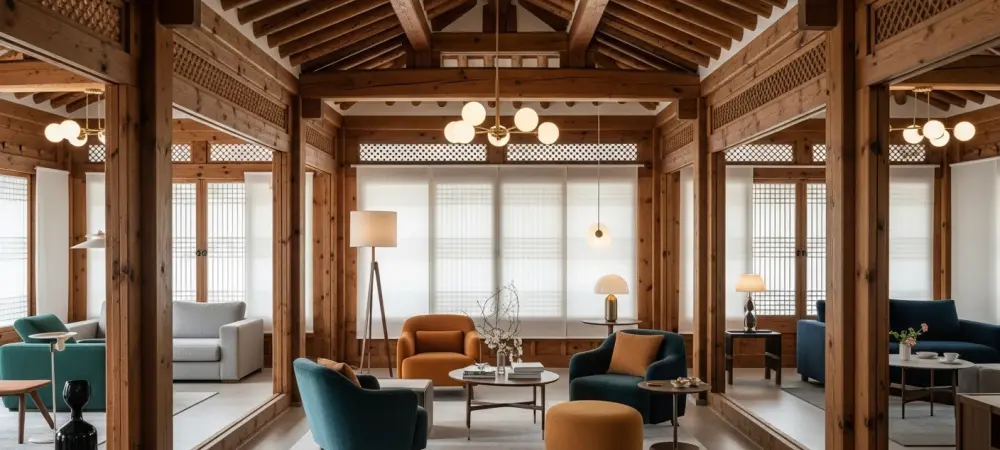
Similarly, Ohouse has utilized historic locations in Bukchon to solve the problem of selling high-ticket furniture through a screen. By setting up “living showrooms” in traditional Hanok settings, the platform allows customers to see how modern lighting and furniture integrate into real-world environments. This strategy transforms the shopping process into an aesthetic experience, where the tactile quality of a wooden table or the warmth of a lamp becomes the primary selling point. Meanwhile, brands like Zigzag and Ably have evolved their tactics from temporary pop-ups to permanent fixtures, proving that the offline shift is a permanent fixture of their long-term growth strategy.
Expert Insights on Community Retention and Brand Longevity
Industry analysts view this expansion as a defensive strategy designed to combat customer churn in a market where loyalty is notoriously fickle. When a platform provides a physical location, it creates a “rallying point” for its community, allowing users to feel a sense of belonging that is rarely achieved through a mobile app. Research indicates that the emotional bond formed during a physical interaction is significantly stronger than one formed digitally, as the social aspect of shopping in a curated environment fosters a deeper sense of trust and brand affinity.
There is a growing consensus among retail experts that the integration of digital scale and physical resonance is essential for survival in the next decade of commerce. A physical storefront provides the “tactile assurance” that justifies the premium status of a brand, acting as a hedge against the commoditization of online retail. By offering a space where consumers can experience the brand’s values firsthand, e-commerce giants are effectively future-proofing their businesses against the volatility of the digital-only marketplace.
Navigating the Omnichannel Shift: Frameworks for Modern Retailers
Modern retailers are now developing sophisticated frameworks to identify which online-exclusive products specifically require a physical presence to boost conversion. High-ticket items or products with complex textures are prioritized for showrooming, while everyday essentials remain the domain of the app. This creates a seamless flow where the mobile app processes the data and payments, while the physical site provides the sensory experience, ensuring that the user journey is consistent across all platforms without any friction or loss of data.
To maximize the benefits of this shift, companies are focusing on increasing consumer “dwell time” by curating lifestyle-oriented environments rather than traditional sales floors. Instead of cramming shelves with inventory, these spaces are designed for relaxation, social media engagement, and product discovery. By balancing the efficiency of digital data with the social benefits of a storefront, these platforms have ensured they remain relevant to a consumer base that craves both the convenience of technology and the authenticity of real-world interaction. The transition toward a unified omnichannel model proved to be the most effective way to navigate the maturing e-commerce landscape. Retailers recognized that the physical store was not a relic of the past but a necessary extension of a digital identity, providing the emotional depth that screens lacked. By focusing on experiential value rather than just inventory management, these giants successfully turned their platforms into lifestyle staples. The integration of data-driven insights with tactile brand storytelling ultimately defined the new standard for retail longevity in a competitive market.