

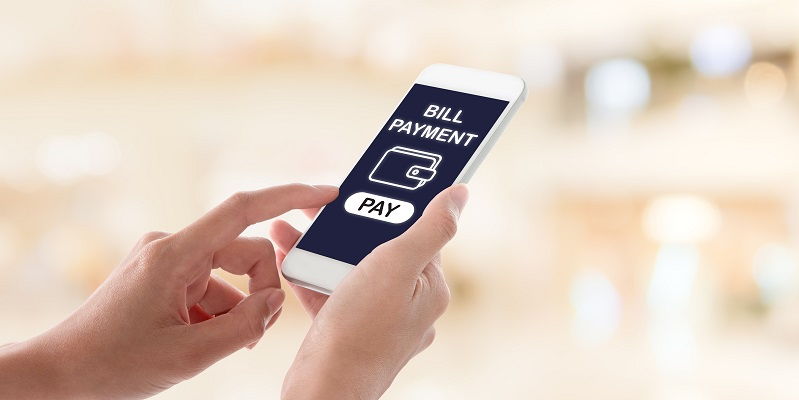
J.P. Morgan, one of the leading financial institutions, has made a significant leap in modernizing payment systems for its US merchant clients. In collaboration with Sephora, the renowned beauty retailer, J.P. Morgan has introduced Tap to Pay for iPhones. This innovative feature allows merchants to accept contactless payments, eliminating the need for additional hardware or card readers. Let’s delve deeper into how this collaboration will revolutionize payment methods and benefit both merchants and customers across the nation.
Simplifying Payment Acceptance with Tap to Pay on iPhone
J.P. Morgan’s Tap to Pay solution is set to revolutionize the way merchants process payments. With the integration of this feature, merchants can accept in-person contactless payments by simply tapping payment cards or mobile wallets on their iPhone. Gone are the days of struggling with cumbersome card readers or dealing with manual card information entry. J.P. Morgan aims to streamline the checkout process, making it more convenient and efficient for both merchants and shoppers.
Sephora Leads the Way
As the first J.P. Morgan Payments client to enable Tap to Pay on iPhone, Sephora is pioneering this innovative payment method across its US stores. Sephora’s decision to embrace this technology demonstrates their commitment to providing a seamless and hassle-free customer experience. Customers can now enjoy quick and secure transactions by simply tapping their payment card or mobile wallet on their iPhone.
J.P. Morgan’s Modernized System Delivers Nationwide Benefits
With its implementation of Tap to Pay for US merchant clients, J.P. Morgan aims to bring widespread benefits to businesses across the nation. By eliminating the need for additional hardware, the Tap to Pay solution helps reduce costs for merchants. This modernized system also enables businesses to enhance the payment experience for their customers, empowering them to transact seamlessly and securely.
The Apple-Mobeewave Connection
To develop Tap to Pay on iPhone, Apple acquired the Canadian startup Mobeewave in 2020. This acquisition added valuable expertise and technology to Apple’s portfolio, enabling them to create a user-friendly and secure payment solution. Through the integration of Mobeewave’s technology, Tap to Pay on iPhone emerged as a convenient and reliable method for contactless payments.
Focusing on Simplifying Omni-Channel Payment Acceptance
J.P. Morgan is dedicated to simplifying omni-channel payment acceptance for its merchant clients. By offering Tap to Pay on the iPhone, the institution aims to eliminate common pain points associated with traditional payment methods. Bluetooth connectivity and manual card information entry are no longer hindrances, making the payment process more seamless and user-friendly.
Enhancing the Checkout Experience
One of the key advantages of the Tap to Pay solution is the implementation of a flexible checkout process. By supporting various payment methods, including mobile wallets, consumers have the freedom to pay with their preferred option. This enhanced flexibility not only improves the overall customer experience but also boosts customer satisfaction and loyalty.
J.P. Morgan’s introduction of Tap to Pay for its US merchant clients marks a significant milestone in the realm of modernized payment systems. By partnering with Sephora for the initial trial, J.P. Morgan has demonstrated the potential of this technology to simplify payment acceptance for businesses across the nation. With Tap to Pay on iPhone, merchants can accept contactless payments with a simple tap, providing a seamless and secure checkout experience. As J.P. Morgan continues to enhance its omni-channel payment solutions, customers can look forward to even more convenience and flexibility in their payment experiences.