

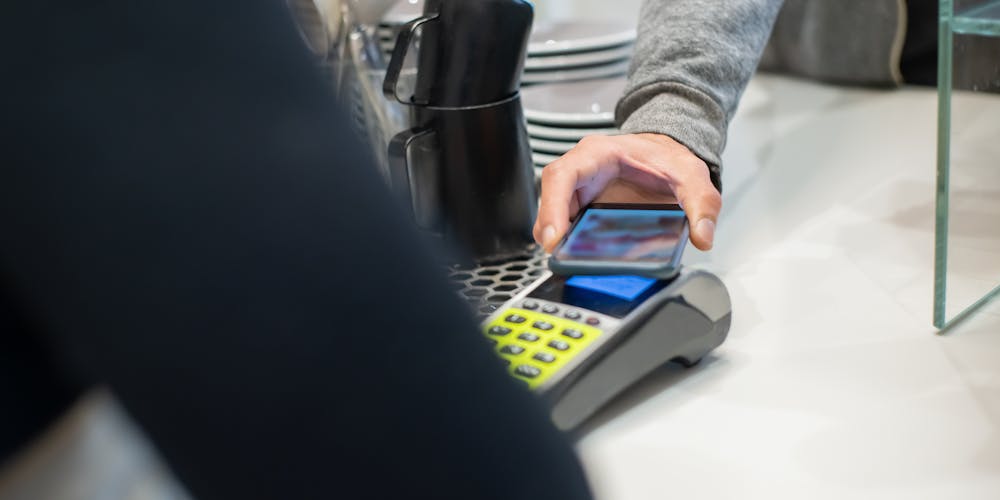
The financial landscape in the UK is undergoing significant transformation, most notably characterized by a sharp rise in mobile contactless payments. According to recent statistics from UK Finance, the total number of payments made in the UK increased by five percent in 2023, reaching 48.1 billion transactions, up from 45.7 billion in 2022. This trend is largely driven by consumer behavior, which now accounts for 85% of all payments, leaving businesses to make up the remaining 15%. The emergence of technologies like Apple Pay and Google Pay has played a crucial role in this evolution, marking a substantial shift in the way Brits handle their everyday financial transactions.
The Rise of Mobile Contactless Payments
A noteworthy theme is the escalating adoption of mobile contactless payments. The report from UK Finance highlights that one-third of Brits now regularly use mobile payment options like Apple Pay and Google Pay. Specifically, registration for these services has surged, reaching 42% of the adult population, compared to 30% in the previous year. This change is reflected in the overall contactless payment statistics, which saw a seven percent increase in 2023, now constituting 38% of all payments made. This shift is not merely a trend but illustrates an evolving consumer preference for more convenient and quicker payment methods, driven largely by the widespread use of smartphones.
Complementing these findings, a survey by Marqeta revealed that a staggering 80% of Brits had used contactless payments within the past week. This is nearly double the usage rate in the United States, signaling a more rapid adoption in the UK. Additionally, more than two-thirds of UK consumers now feel confident enough to leave their physical wallets at home, underscoring a growing reliance on digital wallets for daily transactions. This behavioral shift further emphasizes the consumer’s inclination towards technologies that facilitate smoother and more expedient payment experiences.
Decline in Cash Usage and Rise in Digital Alternatives
Interestingly, despite a temporary rise in cash payments in 2022, cash usage saw a decline of seven percent in 2023, now making up only 12% of all transactions. This decreasing trend in cash usage is parallel to the increasing preference for debit cards, which maintained their position as the most popular payment method. Debit card transactions now represent 51% of all payments, highlighting a clear move away from traditional cash towards more digital means. Notably, nearly 40% of UK adults now lead largely cashless lives, opting for plastic or digital alternatives for their daily financial dealings.
Moreover, Faster Payments systems have seen a notable uptake, overtaking Direct Debits to become the third most used payment method. This trend underscores a growing appetite for instantaneous payment solutions, aligned with the forecasts from experts like Adrian Buckle, head of research at UK Finance. He predicts that cash use will continue to decline, while alternative payment methods like cards and Faster Payments will see substantial growth over the next decade. This projection aligns with the available data and further solidifies the narrative of an impending cashless society in the UK.
The Future of Payments in the UK
The financial landscape in the UK is undergoing a notable transformation, with a significant increase in mobile contactless payments leading the way. Recent data from UK Finance reveals a five percent rise in total payments made in the country for 2023, bringing the number to 48.1 billion transactions, up from 45.7 billion in 2022. This growing trend can be attributed mainly to changes in consumer behavior, which now accounts for a remarkable 85% of all payments, while businesses contribute the remaining 15%. The driving force behind this shift is the widespread adoption of technologies such as Apple Pay and Google Pay. These platforms have revolutionized the daily financial activities of British consumers, making transactions faster, more convenient, and more secure. As more people embrace mobile contactless payment methods, the ways in which everyday financial interactions occur in the UK continue to evolve, setting the stage for an entirely new era of digital finance. This change signifies not just a technological advance but also a shift in consumer expectations and habits.