

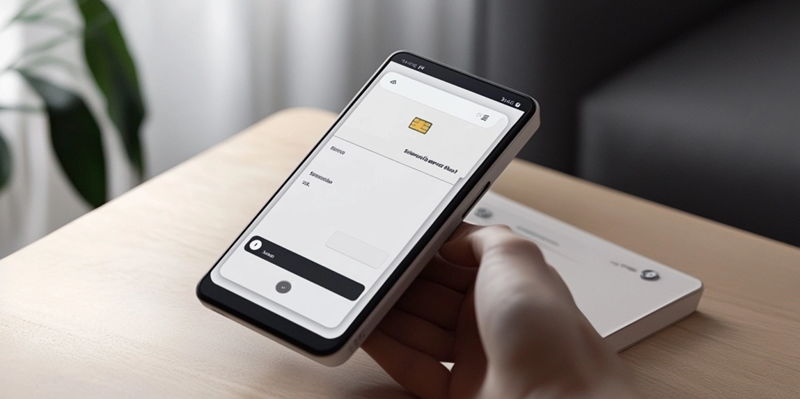
The retail industry is on the brink of a significant transformation with the arrival of the Revolut Terminal, a new point-of-sale (POS) device introduced by the renowned global fintech company, Revolut. This launch is not only aimed at streamlining payment processes for retailers but also promises to redefine the customer checkout experience. As businesses gear up for the busy retail season, the question arises: Is the Revolut Terminal set to revolutionize retail payments?
Cutting-Edge Features of the Revolut Terminal
Speed and Reliability
The Revolut Terminal stands out with its impressive speed and reliability, designed to handle the busiest retail periods without a hitch. The device boasts a 99.9%+ uptime, ensuring seamless payment processing even during peaks like Black Friday and Christmas. Integrated WiFi and SIM connections further enhance its reliability, allowing merchants to serve customers without interruptions.
Additionally, this terminal’s robust technology means payments are processed swiftly, minimizing wait times and enhancing the overall shopping experience. Retailers can trust this device to handle high transaction volumes, making it an indispensable tool for busy seasons.
Durability and Cost Efficiency
One of the critical aspects of the Revolut Terminal is its durability. Its day-long battery life means it can keep up with the demands of a full business day, eliminating the stress of finding an available power source during peak times. This durability is complemented by its cost efficiency, with an exclusive pre-sale price of £129 (excluding VAT), significantly lower than its standard price of £169.
This competitive pricing aims to make the terminal accessible to a broader range of businesses, particularly small and medium-sized enterprises (SMEs) looking for reliable payment solutions without breaking the bank. The promise of enhanced performance at a lower cost is a compelling proposition for retailers in a competitive market.
Enhanced Payment Integration
Revolut Pay Integration
A standout feature of the Revolut Terminal is its seamless integration with Revolut Pay. Customers can now make payments directly from their Revolut app, a convenience that modern shoppers will undoubtedly appreciate. This integration not only simplifies the checkout process but also incorporates cost-effective benefits for merchants, such as lower transaction fees.
In addition to cost savings, Revolut Pay offers customers the opportunity to earn and redeem RevPoints, integrating a loyalty program that can incentivize repeat business. This dual benefit of cost efficiency and customer loyalty is poised to be a significant draw for merchants aiming to enhance customer engagement and satisfaction.
Advanced Analytics and Business Integration
The Revolut Terminal is more than just a payment device—it is a comprehensive business tool. It integrates smoothly with Revolut Business technology, providing merchants with advanced analytics, table mapping, multi-location management, and customer catalogs. These features empower retailers with valuable insights and control over their operations, reducing the need for multiple service providers.
This all-in-one solution streamlines expense management and operational processes, allowing business owners to focus on growth and customer service. By centralizing these functions, Revolut simplifies the complexities of managing a modern retail business, making it an attractive option for tech-savvy entrepreneurs.
Strategic Impact and Customer Testimonials
Alignment with Revolut’s Business Strategy
The launch of the Revolut Terminal is not an isolated event but part of Revolut’s broader strategic vision. With annualized revenue surpassing $500 million, the company is heavily investing in enhancing its B2B services. The introduction of the terminal underscores Revolut’s commitment to supporting businesses in the retail and hospitality sectors, especially during high-demand periods.
By providing advanced, reliable, and cost-effective solutions, Revolut aims to solidify its position as a leading fintech innovator. The terminal’s features are designed to meet the needs of modern businesses and align with Revolut’s mission to drive digital transformation in the financial sector.
Practical Insights from Customer Testimonials
The retail industry is poised for a significant transformation with the introduction of the Revolut Terminal, a cutting-edge point-of-sale (POS) device from the globally recognized fintech leader, Revolut. This innovative launch aims to revolutionize payment processes for retailers while enhancing the customer checkout experience. By simplifying transactions and ensuring smoother operations, the Revolut Terminal is set to become a game-changer in a highly competitive market.
As businesses brace for the bustling retail season, the inevitable question looms: Will the Revolut Terminal reshape the landscape of retail payments? As we inch closer to a cashless society, such advanced POS systems could be pivotal in setting new standards for speed, security, and efficiency in transactions. It’s more than just a tool; it’s a potential catalyst for how retailers manage and process payments in real-time.
Retailers large and small are preparing to integrate this technology, recognizing its potential to provide an edge over competitors. The forthcoming months will be crucial in determining whether the Revolut Terminal will indeed lead a retail payment revolution, redefining customer experiences and operational workflows.