

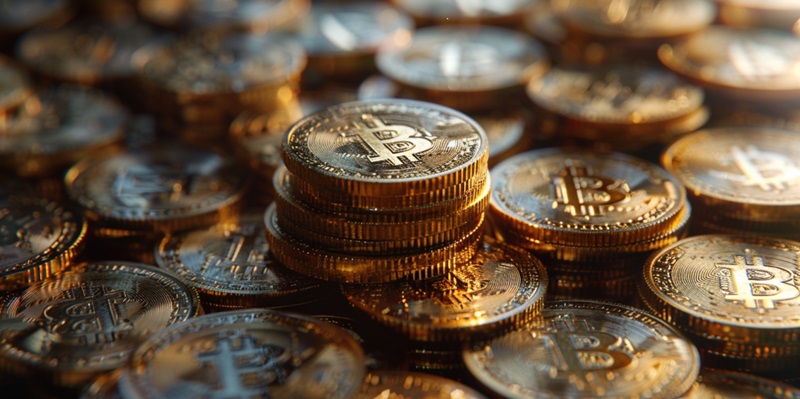
Meme coins, born from jokes within the digital realm, have surged in popularity, evolving past their satirical origins into a serious financial niche with billions in market cap. Some have viewed their ascent with skepticism, yet their influence is undeniable.
Ethereum’s co-founder, Vitalik Buterin, has looked past the hype, suggesting a strategic pivot for meme coins. Recognizing their potential, he proposes a shift away from mere profit-driven speculation toward fostering a more community-focused ecosystem. In this new vision, meme coins could prioritize user engagement over quick financial gains, potentially redefining their role in the crypto landscape. This approach acknowledges the power of these viral tokens while steering them toward a framework that might benefit the wider blockchain community.
Reflecting on the Market Dynamics
As the meme coin marketplace mushrooms, it’s worth taking a closer look at its dynamics and trajectory. Currently, the tangible value behind many of these coins is questionable at best, with few offering practical use cases or technological innovation. The result is an ecosystem where insiders often profit significantly, leaving the wider community with little more than the whims of market volatility and occasional, largely superficial public donations, which do not effectively harness the collective power of the cryptocurrency community.
This has led to a situation where meme coins are, in essence, acting as nothing short of a global online casino—a game of high stakes and even higher risks. And while the allure of potentially lucrative returns draws in swathes of investors, the social and technological potential of blockchain remains largely underutilized in this segment. Such stark realities of the market have not gone unnoticed, with influential figures like Buterin propelling a narrative that urges a reevaluation of the ethos driving the meme coin sector.
A Call for Community-Driven Futures
Vitalik Buterin calls for the meme coin community to move beyond speculation and invest in projects like Dark Forest and FrogCrypto, which offer engaging gaming experiences. By leveraging blockchain’s unique potential, these initiatives can help the meme coin sector shed its gambling-like reputation and become a hub for fun and creativity. Buterin envisions a space where meme coins contribute to a broader, more vibrant digital economy through immersive, collaborative platforms. This shift could redefine the role of digital assets, stitching together excitement, innovation, and shared prosperity within the crypto world. The meme coin realm stands at the threshold of becoming an integral part of a dynamic financial ecosystem, intertwined with the principles of entertainment and collective value.