

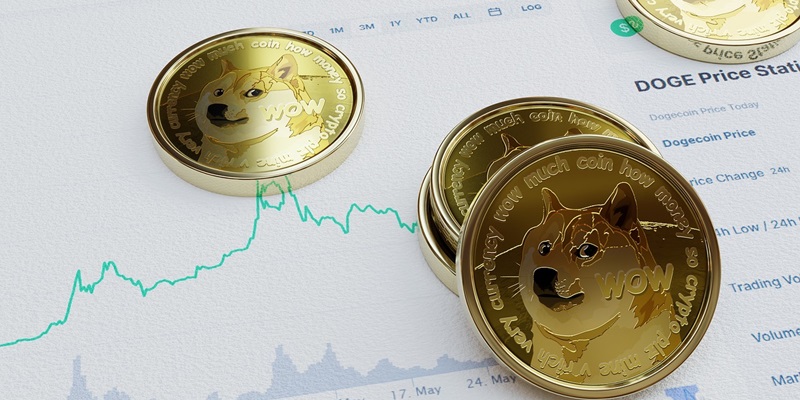
The cryptocurrency market has been a battleground for various innovative tokens vying for dominance and investor attention. Among them, meme coins and AI tokens represent two contrasting sectors, each with a unique allure and investment proposition. As these two sectors compete, it raises the question of which one is winning the crypto battle, the cultural force of meme coins or the technological promise of AI tokens?
The Surge of Meme Coins
Popularity and Market Dominance
The meme coin phenomenon is no laughing matter, as evidenced by the collective market cap of titans like Dogecoin and Shiba Inu. The surge is not limited to market valuation alone—trading volumes have exploded, reaching into the billions, as these tokens garner a level of attention that other sectors can only dream of. Bolstered by social media buzz and celebrity endorsements, the rise of meme coins has been as meteoric as it has been unexpected, leaving many traditional investors scratching their heads.
Investment Frenzy and Profitability
Short-term ROI in meme coins has been nothing short of extraordinary. Tales of overnight millionaires who placed bets on these seemingly frivolous assets have fueled a frenzy among retail investors. The upward price spirals—in some cases exceeding 200% gains—demonstrate the allure of meme tokens. While skeptics question the longevity of such investments, the inflow of capital and participation suggests that, at least for now, optimism reigns supreme. A big part of what propels meme coins is not just the prospect of profit, but also a sense of community and belonging that traditional tokens can seldom offer.
The Ascent of AI Tokens
Long-term Value Proposition
AI tokens may not have the immediate bragging rights of their meme coin counterparts, but they hold a trump card—potential integration into technologies that are reshaping industries. AI’s global adoption is on the rise, making the AI token market poised for significant growth. The case of Nvidia’s thriving stock price, a barometer for AI investment, serves as a beacon leading the charge. When you see collaboration between tech giants and promising AI ventures, it’s hard not to feel a sense of excitement for the future value these tokens may hold.
Technological Integration and Stability
AI coins might offer less head-spinning short-term gains compared to meme coins, but they promise an element that is priceless in the investment world: stability. The integration of AI into real-world applications offers an underlying value that isn’t as susceptible to market whims. Such tokens are associated with companies and projects aiming at tangible, palpable progress, providing a steadier ground for those seeking investments not just for today, but for the future.
Innovations Bridging Sectors
Creating Multifaceted Ecosystems
Projects like 5th Scape are at the forefront of blending the hype of meme coins with the potential of AI, crafting ecosystems that encompass both VR and AR. Their successful presale, which has already amassed over $6 million, is a testament to the market’s appetite for innovations that can capitalize on the strengths of both sectors. These pioneering efforts signal a shift, one that might not only change the playing field but also redefine how we perceive the value within the crypto sphere.
Projected Outcomes in the Crypto Wars
The crypto arena has seen an intense rivalry between two distinctive types of tokens: meme coins, known for their cultural impact, and AI tokens, which carry the promise of cutting-edge technology. Meme coins, often inspired by internet culture and viral trends, have surged in popularity due to their relatability and community-driven growth. On the other side, AI tokens are grounded in the potential of artificial intelligence, offering a more technologically sophisticated investment option. Investors are drawn to the potential of AI tokens to revolutionize various industries, while meme coins attract those looking to capitalize on social and viral phenomena. This competition has created a dynamic landscape within the crypto world. As these sectors jostle for dominance, the center stage is torn between the playful appeal of meme coins and the transformative allure of AI tokens. The crypto battle wages on, with no clear victor as yet, leaving observers to watch closely which of these contrasting forces will ultimately rise to the top.