

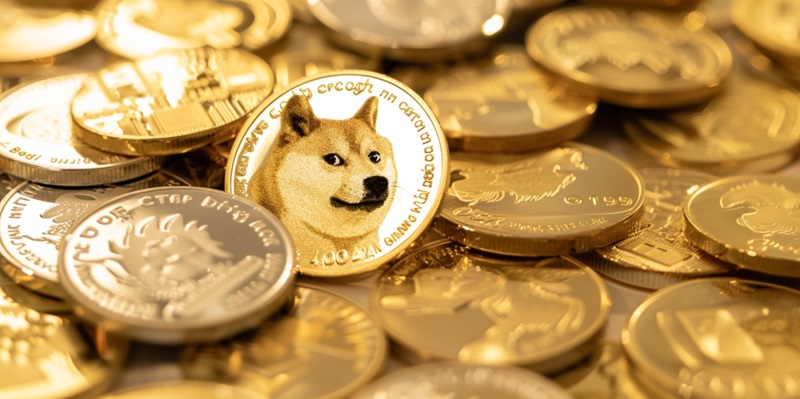
BakerySwap’s entry into the meme coin market with its new token, Big Pump (PUMP), has sent ripples through the crypto world, highlighting the fervor for risk-heavy yet potentially lucrative investments. The presale of PUMP shattered records, amassing a massive $280 million, showcasing the crypto community’s unyielding enthusiasm for such ventures. This remarkable presale saw the collection of an eclectic mix of cryptocurrencies including 363,000 BNB, 9 million CAKE, 24 million BAKE, 1.5 trillion 1CAT, and a staggering 73 trillion IQ50. This diverse cache of digital currencies not only reflects the vast interest in PUMP but also signals investor confidence in the meme coin’s prospects. As speculative investments continue to captivate the imaginations of cryptocurrency enthusiasts, PUMP stands as a beacon of the potential rewards that beckon those willing to dive into the volatile yet exciting crypto market.
Meme Coin Mania: Reflecting Market Sentiments
PUMP’s Speculative Nature and Presale Success
The remarkable success of PUMP’s presale exemplifies a current market trend where potential high returns eclipse the need for underlying value. Resembling a typical meme coin like Dogecoin, PUMP lacks inherent utility and a supporting team, but nevertheless hinges on community-driven hype for its value. This strategy is evidenced by the high engagement levels during the presale, underscoring a market appetite for meme coins despite their absence of long-term utility. These cryptocurrencies continue to charm investors, who are often drawn to the prospect of rapid gains rather than enduring functionality. The vigor of the presale’s turnout underscores the magnetism and influence of such meme tokens within the trading sphere, suggesting that for many, the allure of a quick profit often outweighs a foundation in tangible technological progress.
Investor Appetite for High-Risk Assets
The allure of quick, substantial returns drives investors to pour money into assets like PUMP, reminiscent of past meme coin success stories. The prospect of such profits, despite a lack of assurance in their longevity or real-world usage, seems irresistible. This behavior underscores the current climate of the crypto market—a place where embracing volatility is favored, and traditional, cautious investing appears to be a bygone concept. The surge of interest in PUMP is a testament to the undiminished excitement for high-stakes speculation within the cryptocurrency sphere. It signals that, irrespective of past warnings, the search for immediate financial windfalls is as fervent as ever among crypto enthusiasts, who often prefer the possibility of a swift fortune over the security of time-tested investment wisdom.
Cryptocurrency Evolution: From Meme Coins to Mainstream Expansion
Solana’s Rise and BNB Chain’s Reach
The crypto realm is advancing swiftly, with developments like Solana’s rise to the fourth spot in market cap rankings highlighting its progress. Renowned for transactions that are both speedy and economical, Solana is drawing developers and investors alike, solidifying its market stance. Meanwhile, the BNB Chain is expanding its clout with its Resource-as-a-Service model (RaaS), tempting businesses to dive into blockchain. These strides indicate a cryptocurrency industry that’s not only evolving but also remaining agile in its innovation. This ongoing transformation suggests that while the industry has passed the initial phase of fascination with meme coins, it is still very much in a state of flux, continuously finding new ways to integrate into mainstream finance and technology sectors. These examples are emblematic of an industry at the cusp of maturation, yet with the capability for swift change.
Rebounding Strength of Centralized Exchanges
As blockchain platforms evolve, there’s been a notable rise in the value of exchange tokens like BNB and BGB, highlighting the strength of centralized exchanges even amidst DeFi platforms’ popularity. Centralized trading platforms have showcased adaptability and resilience, implying a dynamic crypto ecosystem where centralized and decentralized services thrive together. The appreciating value of these exchange tokens is a testament to the market’s faith in centralized exchanges. These platforms remain pivotal, continually innovating to meet various challenges. Their enduring relevance in the crypto economy demonstrates that both centralization and decentralization are essential for the industry’s overall expansion and stability. This dual presence ensures a diverse and robust marketplace for traders and investors alike.