

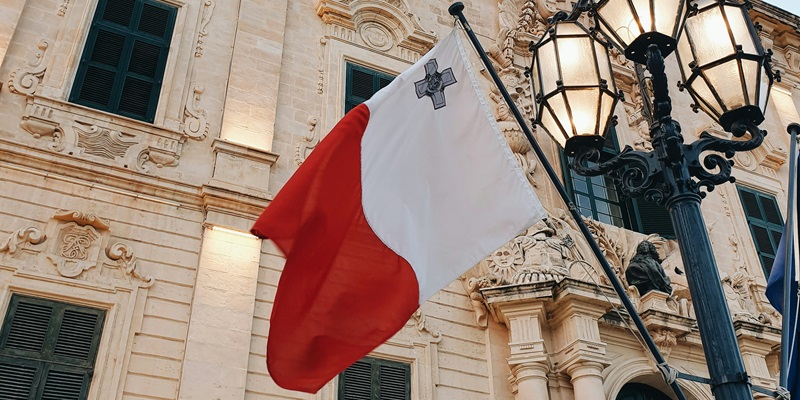
In a significant development for the blockchain industry, Socios.com, a blockchain-based fan token and engagement platform, has recently achieved a major regulatory milestone by securing in-principle approval from the Malta Financial Services Authority (MFSA). This approval allows Socios.com to legally operate within the Maltese market under a Class 3 Virtual Financial Assets (VFA) license. Founded by the Chiliz Group, Socios.com has now been recognized as a compliant VFA provider in Malta, enabling it to offer various VFA services, including asset custody. However, it is important to note that the platform cannot operate a VFA exchange under this license. This approval from the MFSA signifies Socios.com’s commitment to regulatory compliance and its ongoing effort to align with market regulations across various jurisdictions.
Regulatory Compliance Across Multiple Jurisdictions
The importance of regulatory compliance for Socios.com cannot be overstated. The platform consistently adheres to local laws and regulations in different regions to ensure that it operates within the legal framework. In the United Kingdom, for example, Socios.com complies with the stringent standards set by the Financial Conduct Authority (FCA) for crypto-related businesses. This adherence to regulations is not limited to the UK; Socios.com also aligns with market regulations in countries such as Spain, Indonesia, Lithuania, and Italy. This extensive effort to comply with local laws is a testament to Socios.com’s commitment to regulatory compliance and its determination to build trust among stakeholders.
Socios.com’s strategy extends beyond merely adhering to local regulations. It is also about enhancing the overall user experience by making sure that the platform is secure and trustworthy. Regulatory compliance ensures that users can engage with the platform without worrying about legal or security issues, thereby fostering a more positive user experience. Alexandre Dreyfus, CEO of Chiliz and Socios.com, has emphasized that securing the VFA license in Malta validates the company’s dedicated effort toward regulatory compliance and transparency. This level of compliance is essential for building trust among stakeholders, including users, partners, and regulatory bodies.
Enhancing Fan Engagement Through Blockchain Technology
One of the key aspects of Socios.com’s platform is its focus on connecting sports fans worldwide through dedicated fan tokens. These fan tokens are designed for renowned football clubs such as Paris St Germain (PSG), Manchester City, and FC Barcelona. The use of blockchain technology in creating these fan tokens allows for a more engaging and interactive experience for fans. By holding these tokens, fans can participate in various activities, such as voting on club decisions, accessing exclusive content, and gaining unique rewards. This innovative approach to fan engagement has set Socios.com apart from traditional fan engagement platforms.
The combination of sports and blockchain technology has proven to be a winning formula for Socios.com. The platform’s success in creating a more interactive and engaging fan experience is a clear indication of the potential that blockchain technology holds for the sports entertainment sector. Socios.com’s ability to offer a more immersive experience for sports fans is a testament to the innovative spirit of the company and its commitment to leveraging cutting-edge technology to enhance fan engagement. This focus on using blockchain technology to create more meaningful interactions between sports clubs and their fans is a key factor in Socios.com’s growing popularity.
Malta as a Hub for Crypto Companies
Malta is quickly becoming an attractive destination for cryptocurrency companies, thanks to its comprehensive regulatory framework. The country’s progressive approach to cryptocurrency regulation has made it a preferred location for companies looking to establish a European presence. Socios.com’s recent regulatory approval in Malta is a prime example of this trend. By choosing Malta as one of its operational bases, Socios.com is aligning itself with a jurisdiction known for its robust regulatory standards. This strategic move not only enhances the company’s credibility but also positions it well for future growth in the European market.
Another notable example of a significant player in the cryptocurrency space choosing Malta is Kraken. This well-known cryptocurrency exchange has also selected Malta as its European hub, further solidifying the country’s reputation as a favorable destination for crypto businesses. Malta’s alignment with upcoming MiCA regulations adds another layer of attractiveness for companies in the crypto industry. By operating in a jurisdiction that is proactively embracing regulatory frameworks, Socios.com and other like-minded companies can focus on innovation and growth without the constant worry of regulatory uncertainties.
Conclusion
Socios.com’s platform excels by connecting sports fans globally through its unique fan tokens. These tokens, created for high-profile football clubs like Paris St Germain (PSG), Manchester City, and FC Barcelona, leverage blockchain technology to offer a more engaging fan experience. By owning these tokens, fans can vote on club decisions, access exclusive content, and earn unique rewards. This modern approach to fan engagement sets Socios.com apart from traditional platforms.
The blend of sports and blockchain technology has been a game-changer for Socios.com. The platform’s success in fostering a more interactive and immersive fan experience showcases the vast potential of blockchain in the sports entertainment industry. Socios.com’s ability to offer an enriched fan experience highlights its commitment to innovation and its adept use of cutting-edge technology to boost fan interaction. This emphasis on blockchain technology for creating deeper connections between sports clubs and their fans is a crucial factor in Socios.com’s rising popularity, making it a standout in the fan engagement sphere.