

While the traditional economic engines of Western Europe grapple with rising costs and logistical bottlenecks, Romania is quietly transforming into a sophisticated distribution engine that bridges the gap between global manufacturing and the thriving consumers of the East. The map of European commerce is no longer a static illustration of Western dominance; it is a fluid landscape where the center of gravity is moving toward the Black Sea. This transition reflects a fundamental change in how goods enter the continent and how they are distributed to a rapidly growing middle class in Central and Eastern Europe (CEE). Brands that once viewed the region as an afterthought now see it as a primary gateway, essential for maintaining a competitive edge in a digital-first economy.
The metamorphosis of Romania from a regional transit point into a dominant logistical powerhouse is driven by a combination of natural geography and massive industrial investment. Situated at a crucial juncture of maritime, terrestrial, and aerial routes, the country offers a strategic depth that few other European nations can match. The shift is not merely about moving boxes; it is about the integration of sophisticated supply chain technologies with a physical infrastructure capable of handling the demands of modern high-volume trade. As a result, the nation has become a magnet for international brands looking to decentralize their operations and move away from the congestion of North Sea ports.
Efficiency in the modern era is measured by the ability to bypass traditional friction points. With 156 berths at the Port of Constanța and a surge in carbon-neutral warehouse developments, Romania provides a blueprint for a more resilient European supply chain. This is a story of a silent rise, where the infrastructure of the future is being built today to ensure that the flow of commerce remains uninterrupted by the volatility of global markets. For any business aiming to scale across the European Union, the question is no longer if they should look toward the East, but how quickly they can establish a presence there.
The Silent Rise of a Logistics Powerhouse
The traditional corridors of European trade are being redrawn as the Port of Constanța cements its status as a top-ten cargo hub for the continent. This maritime giant, the largest on the Black Sea, serves as a vital entry point for vessels arriving from Asia, the Middle East, and North America. Its strategic importance cannot be overstated, as it allows cargo to bypass the heavily congested Atlantic routes and enter the European market through a more direct southern path. The port acts as a massive valve for the continent, processing over 75 million tons of cargo annually and providing a seamless transition from sea to land-based logistics.
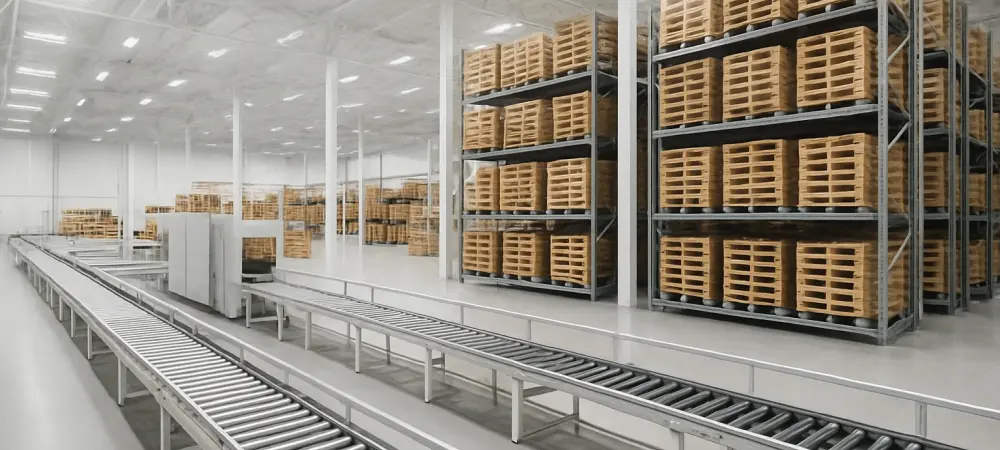
Furthermore, the integration of the Danube-Black Sea Canal creates a unique riverine highway that links the Black Sea to the heart of Central Europe. This corridor enables the transport of industrial freight deep into the interior of the bloc, offering a cost-effective and environmentally friendly alternative to traditional road transport. The expansion of these water-based routes has been complemented by the rapid development of modern warehousing facilities. These are not basic storage units but high-tech fulfillment centers equipped with the latest automation and sustainability features, designed to meet the rigorous demands of global e-commerce players.
The transition toward a more sophisticated logistical landscape is also evident in the country’s aerial capabilities. Hubs like Bucharest and Cluj-Napoca have seen a steady increase in cargo flight frequency, ensuring that time-sensitive shipments can reach any major European city in less than 48 hours. This multi-modal redundancy provides businesses with the flexibility they need to navigate unexpected disruptions. By offering multiple paths—sea, river, rail, and air—Romania has established itself as a reliable and resilient node in the global trade network, attracting the attention of logistical experts and investors alike.
Why the CEE Gateway Is Redefining European Trade
For modern e-commerce merchants, the primary challenge of the current decade is managing “nearshoring”—the practice of placing inventory as close to the end customer as possible. Romania sits at the intersection of five nations and provides the most logical entry point for brands targeting the CEE region. By positioning stock within Romanian borders, international merchants can significantly reduce transit times and mitigate the risks associated with global supply chain volatility. This geographical advantage allows for a more responsive fulfillment model, where delivery windows are measured in hours rather than days. Moreover, utilizing Romania as a primary EU entry point allows international brands from outside the bloc to consolidate their customs handling and simplify the complexities of European trade regulations. When goods are brought into Romania, they undergo a single point of customs clearance before being moved throughout the European Union. This centralization of administrative processes reduces overhead and provides a level of predictability that is essential for businesses operating on thin margins. It transforms the country into a strategic buffer, protecting the supply chain from the delays often found at more traditional, overburdened ports of entry.
The rise of the CEE gateway is also a response to the changing habits of European consumers. While Western markets are reaching a point of saturation, the appetite for digital commerce in Eastern Europe is expanding at a remarkable rate. Romania serves as the distribution engine for this growth, providing the infrastructure necessary to satisfy a customer base that increasingly expects rapid, reliable, and transparent delivery services. This shift toward the East is not a temporary trend but a permanent realignment of the European trade map, where proximity to new markets is the most valuable currency.
The Pillars of Romania’s Strategic Advantage
A multi-modal connectivity masterclass forms the foundation of Romania’s logistical strength. The country utilizes its unique position to integrate rail and road networks into the broader European highway system, ensuring that freight moves efficiently across borders. This terrestrial connectivity is bolstered by a historic rail network that serves as a bridge between the Black Sea and Central Europe. In an era where speed is a competitive necessity, the ability to switch between transport modes seamlessly allows businesses to optimize their routes for both cost and time. This redundancy is a critical pillar of stability for any global e-commerce operation.
The Schengen transformation and general policy stability have further solidified the country’s position. As a member of the EU and the Schengen Area, Romania has effectively eliminated land border checks with its neighbors, which has drastically lowered the operational costs associated with road transport. This frictionless movement is a game-changer for logistics providers, as it removes the uncertainty of border delays and allows for more precise scheduling. Once goods clear customs on Romanian soil, they enjoy the same freedom of movement as they would in any other part of the European Union, providing a standardized environment for growth.
Human capital remains one of the country’s most significant yet underappreciated assets. The local workforce is characterized by high technical proficiency and a strong command of multiple languages, a direct result of Romania’s history as a cross-border trade node. This expertise is paired with a highly competitive cost base for both labor and warehouse construction, allowing brands to access top-tier talent and modern infrastructure without the prohibitive costs found in Western Europe. It is an “outward-looking” workforce that understands the nuances of international trade and is capable of managing complex, tech-driven fulfillment operations.
Innovation in the last mile has also set the region apart, particularly through the adoption of a sophisticated “parcel locker culture.” This network of 24/7 pick-up points has revolutionized how customers receive their goods, significantly increasing first-time delivery success rates. In a market where convenience is king, these lockers offer a level of flexibility that traditional home delivery cannot match. This mature last-mile ecosystem ensures that the final stage of the customer journey is as efficient as the initial fulfillment, meeting the modern consumer’s demand for speed and control over their delivery experience.
Expert Insights and the Logistics Ecosystem
Industry leaders and global logistical experts have recognized the country’s potential by designating it as one of the “Global Tailwinds 20″—a select group of nations poised for explosive growth through focused investment and structural reform. This recognition is backed by multi-million dollar investments in green infrastructure, including carbon-neutral hubs that prioritize energy efficiency and reduced environmental impact. These developments are not just about meeting regulatory requirements; they are about future-proofing the supply chain against the rising costs of traditional energy and the increasing consumer demand for sustainable business practices.
The maturity of the Romanian logistics ecosystem is further evidenced by the high demand for specialized services, such as the “Balkan Express” road connections. These services provide rapid, reliable transport between major regional hubs, often achieving delivery times as low as 24 hours between neighboring countries. Experts note that warehouse occupancy rates have consistently hovered around 90%, a clear indicator that the demand for Romanian infrastructure is a proven reality. This level of market density suggests that the ecosystem has reached a stage where it can support high-volume traffic while maintaining the quality of service required by global brands.
Investment in digital infrastructure has been equally robust, with a focus on creating a “smart” logistics environment. This includes the implementation of advanced tracking systems and automated sorting technologies that increase the throughput of fulfillment centers. By combining physical capacity with digital intelligence, the Romanian market has created a fertile ground for e-commerce innovation. Industry analysts point out that the synergy between public infrastructure projects and private sector investment has created a momentum that is difficult to replicate, positioning the country as a long-term leader in the European logistics sector.
Strategies for Establishing a Romanian Fulfillment Presence
To successfully navigate this landscape, brands should adopt a pay-per-use scalability model. This approach allows businesses to avoid the heavy burden of fixed long-term investments in physical real-time assets by utilizing fulfillment networks that allow them to scale their operations based on seasonal peaks. This flexibility is essential for maintaining profitability in the volatile e-commerce sector, where demand can fluctuate rapidly. By choosing partners that offer modular services, brands can grow their footprint in the CEE region at a pace that matches their actual sales volume.
Leveraging digital inventory dashboards is another critical strategy for optimizing a Romanian fulfillment hub. Real-time data allows merchants to run “what-if” scenarios and forecast demand with a high degree of accuracy. Having total visibility into stock movements from a centralized Romanian location enables better inventory distribution across the entire region, reducing the likelihood of stockouts or overstocking. Furthermore, implementing “plug-and-play” IT integration ensures that expanding into new international markets from a Romanian base is a seamless process. Standardized technology stacks allow brands to connect their webshops once and reach new customers across borders without the need for repetitive and costly IT development.
Finally, international merchants should utilize nearshoring to optimize their EU customs strategies. By positioning stock within Romanian borders, businesses can navigate the complexities of European trade more effectively, turning the country into a strategic entry point that simplifies logistics. This approach not only reduces the time goods spend in transit but also provides a more stable fiscal environment for managing duties and taxes. Establishing a fulfillment presence in Romania was once a niche move, but in the current trade environment, it has become a fundamental component of a successful European expansion strategy.
The shift toward the Romanian-centric logistics model proved to be more than a momentary trend, as it reshaped how international brands approached the complexities of the European Union. The decision to anchor operations in this region reflected a broader recognition of the country’s unique geographical and economic position. By leveraging the specific technological and geographical advantages of the Black Sea gateway, merchants discovered a sustainable path through the complexities of modern trade. This strategic alignment ultimately redefined the standards for cross-border efficiency, ensuring that the movement of goods remained as fluid as the digital marketplaces they served. Moving forward, the integration of carbon-neutral practices and further digital optimization became the new benchmarks for success in an increasingly connected European landscape.