

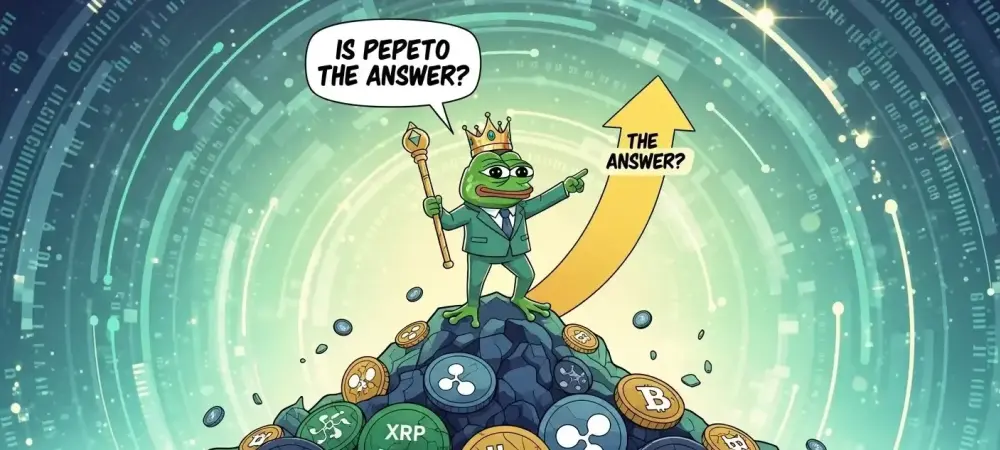
The current cryptocurrency landscape is witnessing a seismic shift as veteran holders of established assets navigate a market environment defined by brutal liquidations and the persistent search for novel growth opportunities. This transition represents more than a simple price correction; it signifies a fundamental reassessment of value in an ecosystem where legacy tokens often struggle with massive “underwater” supplies while emerging ventures capture the imagination of high-volume traders.
The Great Capital Migration: Why Traditional Altcoins Are Losing Their Grip in a Shifting Market
Industry observers have noted a distinct cooling of enthusiasm for the “blue-chip” assets that dominated previous cycles. While names like XRP and Solana once provided a sense of security, the prolonged periods of bleeding valuations have eroded the patience of even the most loyal communities. This fatigue is largely driven by the opportunity cost of holding stagnant assets while newer, leaner projects demonstrate significant upward mobility during their initial funding stages.
Moreover, the migration of capital is increasingly moving toward ecosystems that offer immediate utility rather than long-term promises. Investors are no longer content to wait for years for a protocol to fulfill its roadmap when presale opportunities provide transparent entry points and high staking incentives. This trend suggests that the market is entering a phase of ruthless efficiency, where capital flows toward the path of least resistance and highest potential yield.
Decoding the Divergence Between Legacy Projects and High-Utility Presale Ventures
The gap between established tokens and new presale entrants has never been wider, creating a clear split in market performance. This divergence is rooted in the different pressures faced by each category, with older projects battling historical baggage while newer ones leverage modern tokenomics.
The Psychology of a Flush: Analyzing XRP’s Extreme Realized Losses and Holder Fatigue
Technical data indicates that XRP is currently undergoing a classic capitulation phase, a period where sellers finally accept substantial losses to exit their positions. Analysis from leading researchers shows that the 90-day realized profit-to-loss ratio has dropped to a critical level of 0.38. This metric reveals a stark reality: for every dollar of profit realized, holders are absorbing 62 cents in losses, signaling deep psychological exhaustion across the network.
With nearly 42% of the total supply held at a loss, the pressure on the token is immense. This widespread “underwater” status, combined with a significant collapse in on-chain activity and network fees, suggests that the project is searching for a definitive floor. While some analysts believe this shakeout of “weak hands” is necessary for a future recovery, the immediate sentiment remains heavily weighted by the massive overhead supply waiting to be sold at break-even prices.
Technical Erosion and Supply Shocks: Assessing Solana’s Uphill Battle to Reclaim Key Support Levels
Solana has faced its own set of structural challenges, primarily revolving around the impact of significant token unlocks on a weakened market. The recent release of over 600,000 tokens into the circulating supply acted as a catalyst for a sharp price decline, pushing the asset toward lower support zones. This increase in supply occurred during a period of thinning buy-side demand, resulting in a technical breakdown that saw the price breach its 50-day moving average.
The recording of consecutive red monthly candles has created a bearish narrative that is difficult to ignore. Although Solana maintains a high market capitalization, the technical erosion suggests that the path to reclaiming its previous highs will be a long, arduous process. Without a significant shift in macro liquidity or a massive surge in network utility, the asset risks a further slide as it struggles to maintain its footing above critical psychological levels.
Disrupting the Interoperability Barrier: How Pepeto’s Zero-Fee Cross-Chain Engine Captures Investor Interest
In sharp contrast to the struggles of the old guard, the Pepeto presale has gathered momentum by addressing specific pain points in the current decentralized finance ecosystem. By raising over $10 million, the project has demonstrated that there is still significant appetite for ventures that prioritize technical utility. Its core innovation, a zero-fee cross-chain swap engine, allows users to move assets between major chains without the friction of traditional transaction tolls.
This utility is further bolstered by aggressive staking mechanisms that offer triple-digit annual percentage yields. By incentivizing long-term holding during the presale phase, the project effectively manages its circulating supply before it hits major exchanges. This strategic positioning has made it an attractive destination for capital fleeing the volatility and stagnation of larger-cap assets, as it offers a combination of meme-culture appeal and genuine technological infrastructure.
The Stagnation Warning: Contrasting Pepeto’s Market Momentum with Mutuum Finance’s Development Plateau
While Pepeto thrives on momentum, other presale ventures like Mutuum Finance serve as a cautionary tale about the risks of development stagnation. Despite raising significant funds, Mutuum has hit a plateau as investors become wary of projects that remain stuck in prolonged testing phases. The lack of a confirmed mainnet launch date has caused interest to wane, highlighting the market’s preference for projects with clear, imminent timelines.
The contrast between these two ventures illustrates a broader trend: success in the current market requires more than just a good fundraise. Investors are increasingly sophisticated and demand visible progress and immediate utility. Projects that fail to bridge the gap between their conceptual phase and actual implementation risk being left behind, regardless of how much capital they initially secured.
Navigating the Rotation: Strategic Recommendations for Capitalizing on Market Exhaustion
Managing a portfolio during this period of transition requires a proactive approach to capital rotation. Many market participants are finding success by trimming positions in assets that have shown consistent technical weakness and reallocating toward high-growth alternatives. This strategy minimizes the impact of “dead money” and allows traders to participate in the early liquidity surges typical of successful presale launches.
Furthermore, it is essential to distinguish between a temporary dip and a structural decline. While legacy assets may eventually recover, the time required for such a turnaround often exceeds the duration of an entire bull cycle. By focusing on projects with low-fee utility and high staking rewards, investors can build a more resilient portfolio that is better equipped to handle the shifting winds of the broader crypto market.
The Evolution of Risk: Final Perspectives on the Future of High-Yield Crypto Alternatives
The market dynamics observed throughout this period confirmed that the traditional definition of risk has undergone a significant transformation. Investors shifted their focus from historical prestige toward verifiable utility and efficient token distribution models. This change signaled the end of a cycle where brand name alone could sustain a token’s valuation during times of extreme stress. Successful participants prioritized agility by rotating out of stagnant, underwater positions and into projects that offered immediate technological advantages. The rise of zero-fee interoperability and high-yield staking mechanisms suggested that the next phase of market growth would be led by assets that solved specific user problems. Ultimately, the industry moved toward a more mature state where the cost of hesitation became the greatest risk of all.