

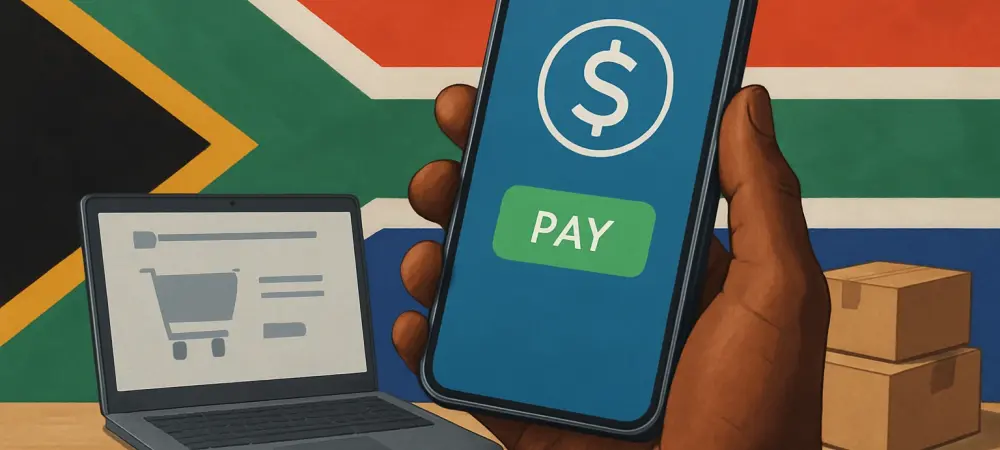
Unlocking a Digital Powerhouse: Payfuture’s Gateway to the South African Market
Enterprise payments firm Payfuture has announced its strategic expansion into South Africa, a move poised to dismantle long-standing barriers and connect global merchants to one of Africa’s most dynamic digital economies. This launch serves as a critical enabler for international businesses seeking to tap into a vast and technologically adept consumer base. By providing a unified payments infrastructure, Payfuture is not just facilitating transactions but unlocking a market rich with potential that has historically been complex to navigate. This article will explore the unique characteristics of the South African e-commerce landscape, analyze the specific challenges Payfuture’s solution is designed to overcome, and discuss the broader implications for the future of cross-border commerce in the region.
The South African Paradox: A High-Potential Market Lined with Entry Barriers
For years, South Africa has presented a compelling yet challenging proposition for global e-commerce. The nation boasts a large, “mobile-first” population of over 64 million people, with smartphone penetration exceeding 90% and digital payment adoption already above 60%. These metrics signal a market ripe for digital commerce and services. However, this potential has been historically tempered by significant operational hurdles that have deterred foreign investment. Key among these obstacles are a fragmented payment ecosystem with no single dominant method, a complex and often opaque regulatory framework, and persistent concerns over online fraud. These factors have traditionally required a substantial investment in local expertise, legal counsel, and custom development, creating a high barrier to entry that has left much of the market’s potential untapped.
A Unified Solution for a Fragmented Landscape
Bridging the Gap with Localized Payment Options
A primary challenge for any international merchant entering South Africa is catering to local payment preferences. The market is not dominated by a single method; instead, consumers use a diverse mix of cards, instant electronic funds transfers (EFT), mobile wallets, and other regional options. For a global business, integrating each of these systems individually is a resource-intensive and technically demanding task. Payfuture addresses this head-on by offering a single, streamlined integration point. This API connects merchants to a comprehensive array of popular local payment methods, allowing them to immediately offer the familiar and trusted options their South African customers expect. This approach eliminates the need for multiple integrations, significantly reducing development time and costs while boosting conversion rates by meeting local consumer habits.
Navigating a Complex Regulatory Maze with Automated Compliance
Beyond payments, navigating South Africa’s regulatory environment is a formidable task for foreign entities. Local compliance standards, data protection laws, and financial regulations require deep-seated knowledge and ongoing vigilance. Payfuture’s platform is engineered to abstract this complexity away from the merchant. The system incorporates automated compliance protocols that ensure transactions adhere to local laws, effectively de-risking the entry process. By embedding regulatory adherence into the platform’s core, Payfuture allows businesses to operate with confidence, knowing that a critical and often costly aspect of their operations is managed. This frees up merchants to focus on their core business activities, such as marketing and customer service, rather than getting mired in legal complexities.
Building Trust Through Integrated Fraud Prevention
In any emerging digital economy, security is a paramount concern for both consumers and merchants. The perceived risk of fraud can be a major deterrent to online spending and can expose businesses to significant financial losses. Recognizing this, Payfuture has built robust fraud prevention tools directly into its solution. This integrated security layer helps merchants mitigate risks associated with fraudulent transactions, protecting their revenue and enhancing their reputation in the market. For South African consumers, transacting with a merchant using a secure, reliable platform builds the trust necessary for a thriving e-commerce relationship. This dual benefit—protecting the merchant while reassuring the customer—is fundamental to fostering sustainable growth in the region.
The Future of Cross-Border Commerce: Simplifying Emerging Market Entry
Payfuture’s expansion into South Africa is emblematic of a broader trend in global e-commerce: the rise of technology platforms that act as gateways to complex but high-growth emerging markets. As a complement to its established presence in the Middle East, Asia, and Latin America, this move reinforces the company’s strategy of becoming a single, trusted partner for businesses with global ambitions. The future of international expansion lies not just in market access, but in simplified, low-friction entry. Platforms that can consolidate payments, compliance, and security into one seamless package will be the critical enablers that allow businesses of all sizes to scale internationally, unlocking economic potential in dynamic regions across the world.
Strategic Takeaways for Global Merchants Eyeing African Expansion
The primary takeaway from Payfuture’s South African launch is clear: the right technological partner can transform a challenging market into a tangible opportunity. For global merchants, the key benefits are the significant reductions in operational friction, development costs, and regulatory risk. By leveraging an all-in-one solution, businesses can accelerate their time-to-market and compete on a level playing field with local players. The actionable recommendation for any company looking to expand into South Africa or other similar markets is to prioritize a payment infrastructure that offers deep local integration. Focusing on a partner that handles the complexities of payments, compliance, and security allows merchants to dedicate their resources to what they do best—growing their business.
Redefining Access: A New Era for E-Commerce in South Africa
Payfuture’s entry into South Africa marked a significant milestone in the evolution of global e-commerce. By providing a comprehensive infrastructure that addressed the market’s most pressing challenges, the company did not merely process payments but actively enabled cross-border trade. This model of simplifying complexity proved vital for unlocking the immense potential held within emerging economies worldwide. The analysis confirmed that successful global merchants were those who leveraged strategic platforms to navigate new territories with confidence and efficiency, which heralded a new, more inclusive era for digital commerce.