

The recent decision by the Bank of Japan (BoJ) to raise interest rates to 0.5%, marking the first hike in 17 years, has sent ripples through global financial markets, with unexpected effects on the cryptocurrency market. This 25-basis point increase aligns with market predictions and is primarily driven by a higher-than-expected Consumer Price Index (CPI) of 3.6%, surpassing the forecast of 3.4%. While market analysts anticipated various outcomes, the surge in the cryptocurrency market has taken many by surprise.
Impact on Major Cryptocurrencies
Bitcoin and Ethereum Experience Gains
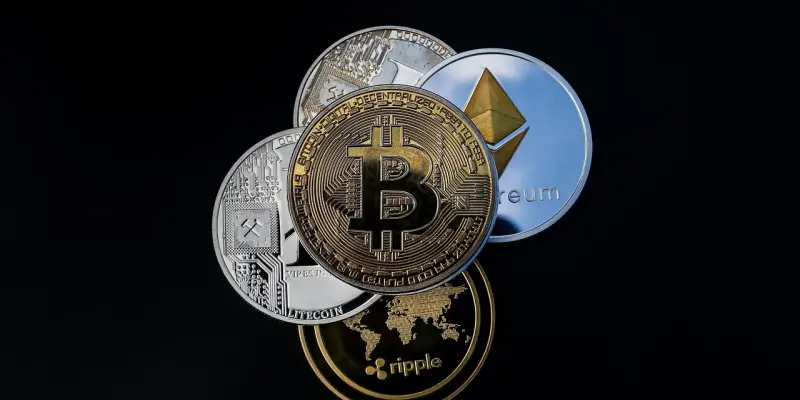
Bitcoin and Ethereum, two of the most prominent cryptocurrencies, experienced notable gains following the BoJ’s rate hike, showcasing their resilience compared to last year’s volatility. Bitcoin’s price surged to an impressive $105,108, while Ethereum climbed to $3,394, reflecting gains of 3-6%. This positive reaction contrasts sharply with the apprehension seen in traditional markets, where equities often reel under the pressure of rate hikes due to increased borrowing costs and reduced liquidity. Enhanced market activities were also observed, with Bitcoin’s trading volumes increasing by a remarkable 57% within 24 hours, signaling heightened interest among traders and investors.
Given the historical perspective, last year’s similar actions by the BoJ caused significant market disruption, leading to painful volatility for cryptocurrencies. However, this year’s response indicates a shift in market dynamics, highlighting the growing maturity and acceptance of digital assets. The initial shock of increased interest rates seems to be absorbed better than before, with market participants displaying a more bullish outlook. This shift reflects the evolving landscape of investor sentiment, where higher inflation rates and the subsequent rate hikes are perceived as factors that enhance the attractiveness of decentralized and deflationary digital currencies like Bitcoin and Ethereum.
Altcoin Market Optimism
The positive sentiment within the cryptocurrency market isn’t limited to Bitcoin and Ethereum. Altcoins, smaller and lesser-known digital assets, have also benefited from the recent developments. The Altseason Index, which measures the performance and sentiment towards altcoins, has risen above 53, indicating a growing confidence among investors. This uptick suggests that altcoins are poised for a significant surge, with analysts predicting a potential 500% increase in the market cap, possibly reaching an astonishing $6.48 trillion in the coming months. Such predictions are supported by the supportive macroeconomic environment following the rate hike and the increasing attractiveness of digital assets amid inflationary concerns.
The broader optimism toward altcoins is further bolstered by specific political and economic factors. For instance, former U.S. President Donald Trump’s advocacy for a digital asset stockpile has added a new dimension to the market, driving renewed interest among institutional and retail investors. This political endorsement, perceived by many as a validation of the digital assets trend, has invigorated the market, encouraging a more bullish outlook. Moreover, altcoins often benefit from Bitcoin’s robust performance, as capital inflows tend to trickle down to smaller digital assets during bullish periods, creating a ripple effect that magnifies their valuation.
Broader Economic and Market Implications
US Dollar Index and Bitcoin’s Inverse Correlation
The performance of the US Dollar Index (DXY) amidst Japan’s rate hike has had broader implications on the cryptocurrency market, creating favorable conditions for potential bullish movements. The DXY’s decline has further reinforced the positive sentiment within the crypto community, particularly among altcoin investors who view a weaker dollar as an opportunity for higher returns in digital assets. Analysts have highlighted the inverse correlation between Bitcoin and the US Dollar Index as a critical factor in Bitcoin’s bullish outlook. This inverse relationship suggests a “golden time” for Bitcoin and major altcoins if the trend continues, as digital assets thrive when the dollar weakens, making them more attractive as an alternative investment.
Additionally, the decline in the dollar’s strength often leads to increased capital flows into riskier and higher-yielding assets such as cryptocurrencies. Investors seek to diversify their portfolios and hedge against the declining purchasing power of fiat currencies, leading to increased interest in decentralized financial instruments. This dynamic emphasizes the strategic role of cryptocurrencies in global financial portfolios, acting as both a hedge against inflation and a speculative investment with significant growth potential when traditional fiat currencies face devaluation pressures.
Future Prospects and Investor Confidence
The Bank of Japan’s (BoJ) recent decision to raise interest rates to 0.5%, marking its first hike in 17 years, has created waves in global financial markets, including some unexpected effects on the cryptocurrency space. This increase of 25 basis points, aligning with market expectations, is mainly due to a higher-than-anticipated Consumer Price Index (CPI) of 3.6%, which exceeded the forecast of 3.4%. Analysts had predicted various possible outcomes, but the dramatic rise in the cryptocurrency market has caught many off guard. The move to raise interest rates is a significant shift for the BoJ, which has maintained ultra-low rates for nearly two decades to combat deflation and stagnation. Now, faced with mounting inflation pressures and a CPI that surpasses previous estimates, the BoJ’s actions signal a notable change in its monetary policy stance. As global markets react, the ripple effects are widely felt, particularly among cryptocurrencies, where volatility often amplifies reactions to economic shifts.