

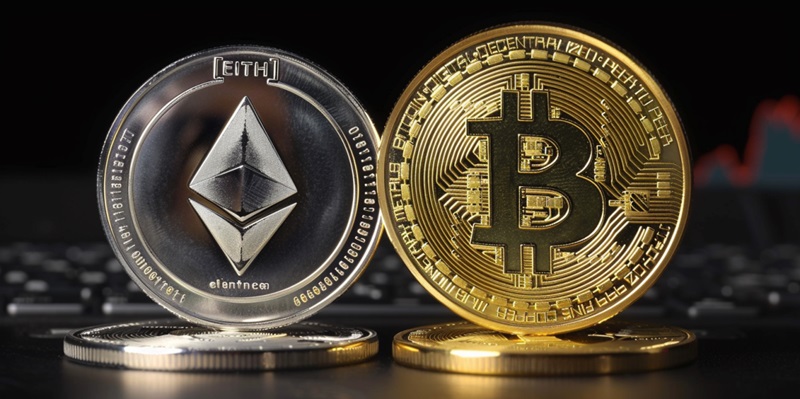
In recent years, the surging interest in cryptocurrencies has led many investors to consider digital currencies like Bitcoin and Ethereum as part of their investment portfolios. However, directly investing in cryptocurrencies involves complexities like understanding wallet setups and facing potential hacking risks. A viable alternative is investing in cryptocurrency Exchange Traded Funds (ETFs). Bitcoin and Ethereum ETFs provide a more conventional mechanism for market participation, merging the dynamic world of digital currencies with the familiar structure of stock market trading. Making a choice between these two dominant cryptocurrencies, each with its own ETFs, requires a nuanced understanding of their distinctions and market positions.
Understanding Bitcoin and Ethereum ETFs
Both Bitcoin and Ethereum are leading names in the digital currency space, but they serve different purposes, which is reflected in their respective ETFs. Bitcoin, seen as digital gold, is a decentralized currency designed to be a medium of exchange, while Ethereum’s blockchain is a platform for executing smart contracts and hosting decentralized applications. When deciding whether to invest in Bitcoin or Ethereum ETFs, investors need to evaluate these fundamental differences.
Bitcoin ETFs primarily mirror the price movements of Bitcoin, providing investors with exposure to its performance without the necessity of actual ownership or dealing with the complexities of the crypto space. Ethereum ETFs offer a similar arrangement for Ether, Ethereum’s native cryptocurrency. The operational characteristics of smart contracts mean that Ethereum could potentially offer wider applications than Bitcoin, a factor to consider when assessing the future potential of each ETF.
How to Invest in Cryptocurrency ETFs
To begin investing in cryptocurrency ETFs, the first step is to set up an investment account. This could be a traditional brokerage account or an individual retirement account (IRA). Following the establishment of an account, you must fund it. This generally involves a transfer of funds from a bank account or the proceeds of sold securities.
Once the account is funded, the next step is identifying which Ethereum or Bitcoin ETF best aligns with your investment strategy. This requires research into each ETF’s focus, past performance, and fee structure. Both types of ETFs track the market price of their respective cryptocurrencies using futures contracts, but they also carry unique risk factors and potential rewards that investors must carefully consider.
Execute the Trade
After selecting your preferred cryptocurrency ETF, the final step is to execute the trade. This involves purchasing shares of the ETF through your investment platform. This process mirrors that of buying stocks or other ETFs, where you would specify the number of shares you wish to purchase and at what price (market or limit orders). Once the trade is completed, you officially have exposure to the cryptocurrency market through your chosen ETF.
Determining whether Ethereum or Bitcoin ETFs are a better choice boils down to individual investment goals and market insight. The broader applicability of Ethereum’s technology may appeal to those looking for growth potential in the blockchain applications sector. In contrast, Bitcoin’s position as the first and most recognized cryptocurrency may appeal to those looking for a more established investment reflecting the market’s sentiment towards digital currencies.
Considerations Before Investing
Before investing in cryptocurrency ETFs, it’s crucial to weigh the pros and cons. While ETFs provide accessibility and ease of entry into the cryptocurrency market, they are not immune to the volatility and regulatory uncertainty inherent in the crypto space. Understanding the risks associated with investing in digital currencies and the specific nuances of each ETF can safeguard investor interests.
As the cryptocurrency market continues to evolve, so does the landscape of investment opportunities it presents. Careful consideration of personal risk tolerance, market trends, and the ever-changing regulatory environment will inform the decision to invest in Bitcoin or Ethereum ETFs. For many, the decision will ultimately reflect their belief in the long-term viability and adoption of these groundbreaking technologies.