

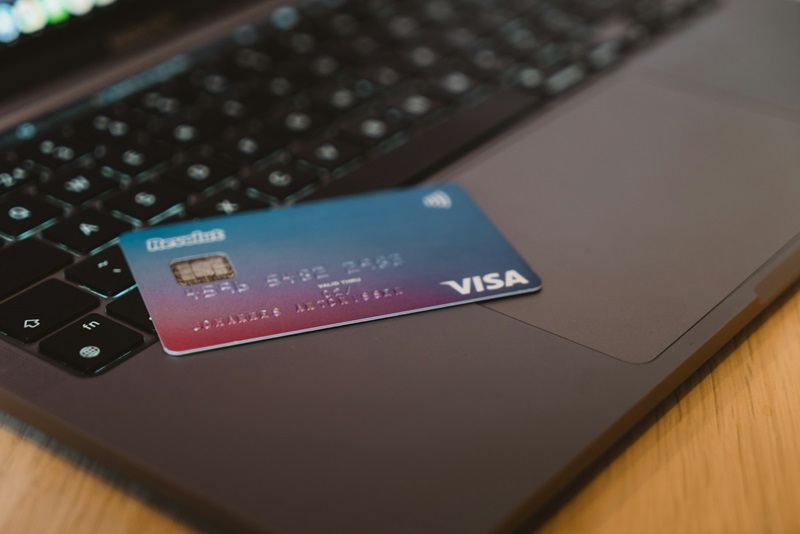
The financial landscape is continuously evolving, with new technologies reshaping traditional banking methods. In a significant development, Gnosis Safe and Visa have announced a partnership that might just signal the future of banking. As digital currencies gain traction globally, the need for integrating these with the established financial system becomes increasingly crucial. The collaboration stands as a testament to the industry’s readiness to adopt and interface innovative banking solutions that cater to this shift. It raises the curtain on an era where traditional financial structures and the progressive world of blockchain are no longer seen as separate entities but parts of a single, cohesive financial ecosystem.
Bridging the Gap Between Traditional Banking and Blockchain
The alliance between Gnosis Safe and Visa represents a significant leap in merging two paradigms of the financial world. It melds the trust and widespread acceptance of a traditional payment network with the flexibility and innovation of decentralized blockchain technology. As the crypto-user base is projected to grow significantly, this partnership is perfectly timed. The collaboration delivers a robust infrastructure that keeps pace with the accelerating trend towards digital currency utilization, offering a level of payment flexibility unheard of in the financial sector.
This joint effort not only opens the door for users to make everyday purchases with digital currencies but also paves the way for conventional financial firms to enter the blockchain space. This dual approach enriches the service portfolios of financial firms while providing blockchain enterprises with mainstream channels to offer their services, thereby increasing relevance and accessibility. It also signifies the democratization of finance, where the power of payments shifts towards a more user-centric paradigm, allowing for a seamless blend of the traditional with the avant-garde.
Elevating Transactional Efficiency and Security
At the heart of the collaboration is a concerted effort to use the transparency of blockchain for enhanced security and compliance. By combining the strengths of blockchain technology with Visa’s established network, this partnership is making strides in financial security, particularly in monitoring fund origins and transactional pathways. Such improvements are crucial as they significantly bolster anti-money laundering efforts and arm the financial world against a broad spectrum of illegal activities. Indeed, the ability to trace the provenance of funds and the integrity of transactions stands as a pillar against financial crime, establishing new benchmarks in financial diligence.
The synergies between Gnosis Safe and Visa also forecast the advent of instant fund access post transactions, which could radically alter the landscape of backend financial activities. This prospect has the potential to significantly reduce operational costs and optimize the collateral required for transactions, propounding an economic model that greatly benefits both consumers and service providers. It’s these kinds of innovations that raise the bar and set forth a new prototype in the financial service arena, projecting it towards an ever more efficient and less encumbered future.
Preparing for a Sweeping Global Transition
The finance world is always evolving, shaped by innovative tech. At the vanguard of this progression, Gnosis Safe and Visa’s partnership may redefine the future of banking. With digital currencies becoming more prevalent, blending these with conventional financial systems has become imperative. This partnership symbolizes the sector’s eagerness to embrace and integrate cutting-edge banking methods that meet emerging trends. It heralds a future where legacy finance mechanisms and the avant-garde blockchain sphere are not viewed as separate silos but are converging into an integrated financial network. This moment marks the dawn of a unified fiscal era where established banking procedures and progressive digital currencies coexist, propelling us into a unified financial narrative.