

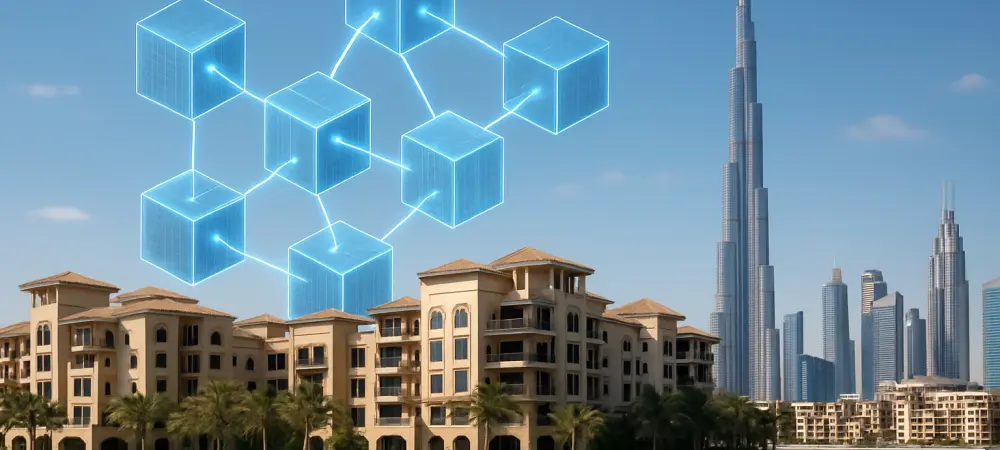
In recent years, Dubai has emerged as a global powerhouse in technological innovation, and blockchain’s integration into the real estate sector exemplifies this trend. This ambitious approach to modernization was marked by Ripple Labs’ recent advancement into the tokenized real estate market, highlighting wider acceptance of blockchain solutions. Collaborating with Ctrl Alt, a startup specializing in tokenization infrastructure, Ripple is enabling custodial services for digital title deeds through its powerful blockchain applications. The initiative, which began earlier in the year, allows investors to acquire fractional ownership in premium real estate projects, marking as low as $600 for entry, thereby democratizing access to luxury properties.
As blockchain technology becomes increasingly woven into Dubai’s real estate framework, the broader region is witnessing a transformation that could reshape property buying and selling. The city is set to bolster its reputation as a hub for digital asset integration and innovation. Ripple’s involvement signifies the potential ripple effect throughout the industry, paving the way for blockchain technology to penetrate traditional markets across the globe.
The Growing Role of Blockchain in Dubai’s Real Estate
Pioneering Tokenized Real Estate Initiatives
Dubai’s tokenized real estate initiative stands out as an important model for merging cutting-edge technology with practical applications in everyday transactions. By utilizing Ripple’s XRP Ledger (XRPL) for its blockchain infrastructure, Dubai has laid the groundwork for significant shifts in property transactions. Each property is divided into a multitude of tokens, opening doors for small-scale investors to participate in high-value market segments previously reserved for wealthy individuals or corporate entities. This represents a noteworthy move towards making real estate more inclusive and accessible.
Ctrl Alt’s involvement as a custodian within this framework emphasizes its essential role in maintaining security and trust in digital transactions. The partnership with Ripple equips Ctrl Alt with cutting-edge tools to manage digital assets effectively. This aspect is crucial, as security in digital transactions remains a high priority, ensuring investors’ confidence in the technology being employed. The coupling of Ctrl Alt’s custody capabilities with Ripple’s expertise underscores a formidable alliance, poised to underpin Dubai’s real estate ambitions.
Strengthening Blockchain Foundations Through Ripple
Ripple’s endeavors in Dubai began gaining traction notably after securing regulatory approval from the Dubai Financial Services Authority (DFSA) last year. This endorsement established a favorable environment for Ripple’s operations, showcasing a solid regulatory framework that legitimizes digital asset transactions. Ripple’s RLUSD stablecoin, further approved for use within Dubai’s financial ecosystem, highlights a growing acceptance of cryptocurrency in traditional economic landscapes. This move subtly signals an openness to redefine financial structures globally, aligning with the rapid evolution of digital currencies.
The legitimacy bestowed upon RLUSD by regulatory approval fosters a seamless cryptocurrency adoption trajectory within Dubai and beyond. As Ripple continues its pursuit across various fronts, the acceptance of XRP and RLUSD on prominent exchanges marks a trend toward embracing digital currencies. Ripple’s efforts reinforce Dubai’s burgeoning vision to become a premier global digital assets hub. The city’s commitment to integrating blockchain technology underlines a strategic foresight, paving the way for traditional financial systems to adapt to new-age challenges and opportunities.
Broader Implications of Blockchain Integration
Democratizing Luxury Real Estate
Ripple’s strategic initiatives reflect not only a technological breakthrough but also a philosophical shift in how real estate markets function. By democratizing access to luxurious properties through fractional ownership, Ripple’s approach effectively challenges preconceived notions about property investment. The ability for everyday investors to stake claims in luxury markets symbolizes a transformative shift in wealth distribution within real estate, making high-value properties attainable for broader audiences.
The use of XRP Ledger in facilitating these transactions introduces practical applications for Ripple’s cryptocurrency, extending its utility beyond mere speculation to real-world financial engagement. This promotes a diversified approach to property dealings, emphasizing innovation in traditional markets. While the wider implementation of such strategies faces regulatory and logistical hurdles, the momentum build-up around blockchain applications signals a not-so-distant future where such concepts become household norms.
Setting the Stage for Global Adoption
Dubai’s integration of blockchain into its real estate market sets a compelling precedent for global cities eyeing similar modernizations. Through its efforts to combine regulatory compliance with technological innovation, Dubai presents a viable blueprint for others to emulate. Ripple’s strategic expansion in Dubai stands testament to blockchain’s infrastructural versatility and adaptability, drawing attention to the productive interplay between technology companies and municipal frameworks.
These efforts underscore a pivotal point where emerging technologies and established systems interact seamlessly, encouraging broader acceptance and implementation. As blockchain continues gaining traction in varied applications, the success witnessed in Dubai’s real estate domain foreshadows potential expansions in other sectors. Transaction transparency, enhanced security, and broadened market access highlight key benefits that blockchain offers, predicting a future where digital integration becomes an integral component of global commercial landscapes.
Future Prospects: A Blueprint for Technological Advancement
In recent years, Dubai has positioned itself as a global leader in technological innovation, with blockchain’s integration into real estate highlighting this trajectory. Ripple Labs’ recent move into the tokenized real estate market underscores the growing acceptance of blockchain solutions. Partnering with the startup Ctrl Alt, which specializes in tokenization infrastructure, Ripple is offering custodial services for digital title deeds through its robust blockchain platforms. Starting earlier this year, this initiative allows investors to purchase fractional ownership in premium real estate projects for as little as $600, effectively democratizing access to luxury properties.
As blockchain technology becomes more integrated into Dubai’s real estate sector, the impact is resonating throughout the region, potentially revolutionizing property transactions. Dubai is solidifying its status as a hub for digital asset integration and cutting-edge innovation. Ripple’s involvement suggests a far-reaching impact across the industry, creating pathways for blockchain technology to infiltrate traditional markets worldwide.