

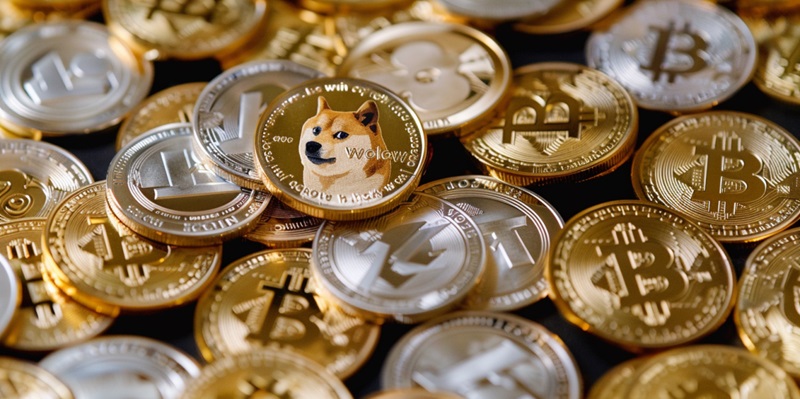
Dogecoin, the quirky crypto initially created for laughs, has carved out its place in the digital currency world. Rising from meme status, DOGE became synonymous with crypto’s whimsical aspect. However, the scene is evolving as Dogecoin faces new competitors in the meme coin sphere. Recently, increased trading volumes suggest that investors are seizing the opportunity to capitalize on its lower prices. These maneuvers, however, are modest when contrasted with Dogecoin’s peak performance in early March. This demonstrates the tough competition that DOGE encounters to stay topical and influential, with numerous meme-based cryptocurrencies joining the fray, each vying for both community attention and investment dollars. Despite the challenges, Dogecoin’s spirited origin continues to endear it to a segment of the crypto sphere, underscoring its unique journey in an ever-expanding market.
Dogeverse: The New Kid on the Block
Dogeverse is standing out in the crypto world with its tech-centric approach, pushing past traditional meme coin culture. It introduces a deflationary system, staking possibilities, and operates across multiple blockchains, setting it apart from its predecessor, Dogecoin. These strategic moves may catapult its functionality to new heights within the meme coin category.
The excitement around Dogeverse is palpable, bolstered by a successful presale that signals strong investor interest and foreshadows potential growth after it hits exchanges. However, the true test for Dogeverse lies ahead. Its continued success hinges on whether it can maintain the current hype. The next steps are critical in determining if Dogeverse is merely benefiting from Dogecoin’s fame or whether it’s forging an innovative legacy in the meme cryptocurrency space.
The Highs and Lows of Dogecoin
Dogecoin’s market value often mirrors the shifting tides of investor sentiment, displaying a notable resilience and susceptibility to wider economic currents. A recent uptick in its worth, recuperating from a pronounced decrease, underscores the cryptocurrency’s responsiveness to shifts in market mood and investor outlooks. This climb, accompanied by an increase in trading activity, indicates a readiness among traders to engage with Dogecoin at opportune moments in terms of price. However, opinions are mixed on whether this trend points to a lasting rebound or simply a temporary lull in a downward trajectory. The reliance of Dogecoin’s valuation on social and cultural dynamics, beyond just technological developments, injects an extra element of volatility into its future stance in the crypto sphere.
Charting Dogeverse’s Potential Trajectory
Dogeverse is emerging as a serious contender in the crypto world, casting a shadow different from Dogecoin’s. Harnessing advanced technology and shrewd marketing, it’s garnering significant interest. The community is keenly watching its debut on exchanges, hinting at future value growth. This enthusiasm is a test – will the market accept a meme coin with deeper value? Dogeverse is aligning with investor desires, offering a unique yet tangible asset in the meme coin sector. The success of Dogeverse could redefine what digital currencies of this type can achieve, blending humor with functionality. As it aims to ascend the ranks, Dogeverse represents a fresh investment mindset, appealing to those searching for innovation backed by real-world utility.