

The New Reality of Consumer Credit: A Perfect Storm of Rising Costs and Hybrid Borrowing
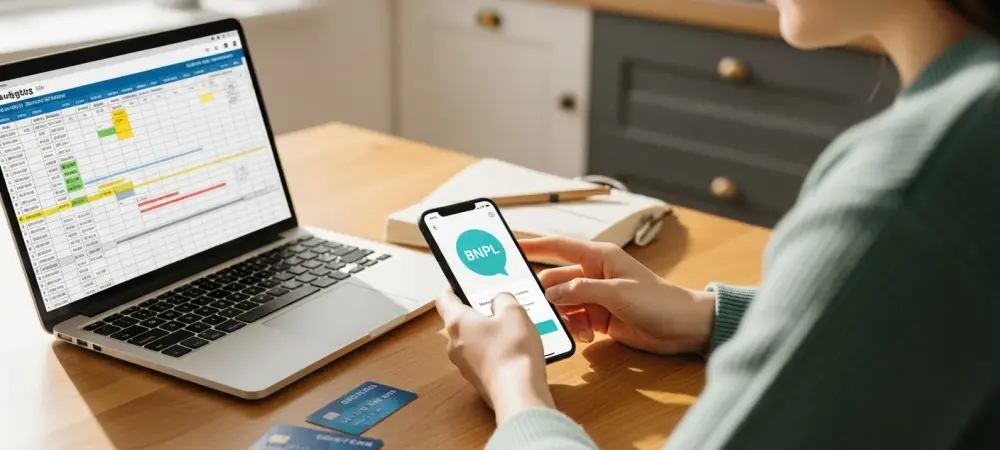
In an era of stubbornly high costs for essentials, American consumers are navigating a complex financial landscape where every dollar counts. At the checkout, a seemingly simple choice has emerged: pay now, use a credit card, or split the purchase into interest-free installments with Buy Now, Pay Later (BNPL). This third option has exploded in popularity, offering a frictionless way to manage expenses. But as its usage soars, a critical question arises: Is BNPL a flexible financial tool helping households manage cash flow, or is it a hidden debt trap pushing already strained consumers over the edge? This article explores the intricate relationship between rising credit card balances and the surge in BNPL adoption, revealing how these two forms of credit are becoming dangerously intertwined for a growing segment of the population.
From Layaway to Clicks: The Evolution of Point-of-Sale Financing
The concept of paying for goods in installments is far from new, echoing the layaway plans of past generations. However, the digital age has transformed this traditional model into the instant, data-driven service known as BNPL. Integrated seamlessly into online and in-store checkouts, providers like Afterpay, Klarna, and Affirm offer immediate gratification with a structured repayment plan, often without the high interest rates associated with credit cards. This evolution matters because it has lowered the barrier to obtaining credit at the point of sale, making it more accessible and appealing than ever before. Understanding this shift is crucial to grasping why BNPL has become a go-to solution in today’s economic climate, where traditional credit lines are often stretched thin.
Unpacking the Modern Debt Cycle: A Tale of Two Credit Tools
The Widening Credit Divide: Who Is Relying on Borrowed Funds?
Recent financial data reveals a stark and growing divide in how Americans manage debt. While the average monthly credit card balance increased by nearly $200 to $3,564 in 2023, this figure masks a more troubling reality. Consumers living paycheck-to-paycheck and struggling with bills saw their balances balloon by almost $600. In sharp contrast, higher-income households saw their balances slightly decline. This disparity is also reflected in payment habits. While 42% of all consumers pay their credit card balances in full each month, that number plummets to just 28% for those in financial distress. Furthermore, nearly 30% of these struggling households now make only the minimum payment, signaling that revolving credit has become less of a convenience and more of a necessity for survival.
BNPL and Credit Cards: A Partnership, Not a Rivalry
Contrary to the popular belief that BNPL is replacing credit cards, evidence suggests the two are being used in tandem, creating a powerful, and potentially perilous, combination. The data shows that consumers who use BNPL carry average credit card balances that are $1,128 higher than those who do not. The trend is even more pronounced among habitual BNPL users, who finance both essential and discretionary goods; their average credit card balance stands at an imposing $5,181—roughly 60% more than non-users. This indicates that BNPL is not a substitute for traditional credit but rather a supplement, allowing consumers to layer new forms of debt on top of existing ones.
The “Liquidity Bridge”: How BNPL Fills the Gaps in Household Budgets
For many financially strained households, BNPL serves as a critical “liquidity bridge.” When credit card limits are reached or a large purchase would consume too much available credit, BNPL offers a predictable, structured alternative. Consumers are developing a sophisticated, albeit strained, strategy for managing their finances: using BNPL for specific, planned purchases with clear repayment terms, while leaving their credit cards to absorb residual costs, unexpected expenses, and everyday necessities. This combined use helps manage the chronic timing mismatch between income and expenditures, but it also means that these consumers are juggling multiple payment schedules and carrying a heavier overall debt load.
The Future of Financing: Regulation, Innovation, and Consumer Behavior
Looking ahead, the landscape of consumer credit is poised for significant change. Regulators are taking a closer look at the BNPL industry, with potential new rules focused on transparency, credit reporting, and consumer protection. As BNPL loans are increasingly reported to credit bureaus, their impact on consumer credit scores will become more direct, altering the risk-reward calculation for borrowers. At the same time, the line between BNPL and traditional credit will likely continue to blur as banks and credit card issuers integrate their own installment-based lending products. For consumers, this will mean more choices but also a greater need for financial literacy to navigate an increasingly complex ecosystem of borrowing options.
Navigating the New Credit Landscape: Strategies for Financial Wellness
The key takeaway is that consumer debt is becoming more fragmented and layered. The combined use of credit cards and BNPL, especially among financially vulnerable households, points to a system under stress. For consumers, the most critical strategy is to maintain a clear and comprehensive view of all outstanding debts, including BNPL installments, which can be easy to lose track of. Creating a unified budget that accounts for every payment obligation is essential to avoid late fees and a downward debt spiral. For financial institutions and policymakers, the focus should be on promoting transparency and developing tools that help consumers manage this new hybrid credit environment responsibly.
A Double-Edged Sword: The Final Verdict on BNPL and Debt
The rise of BNPL is a direct response to a genuine consumer need for flexible, accessible credit in a high-cost world. It offers a structured and often low-cost way to manage purchases that can be a lifeline for many. However, the data clearly shows it is not operating in a vacuum. By acting as a supplement to already high credit card balances, BNPL is enabling many consumers to take on more debt than they might otherwise be able to manage. It has become a double-edged sword: a useful tool for some, but a catalyst for deeper indebtedness for others. As this trend continues, fostering greater financial education and regulatory clarity will be paramount to ensuring that modern financial innovations empower consumers rather than entrap them.