

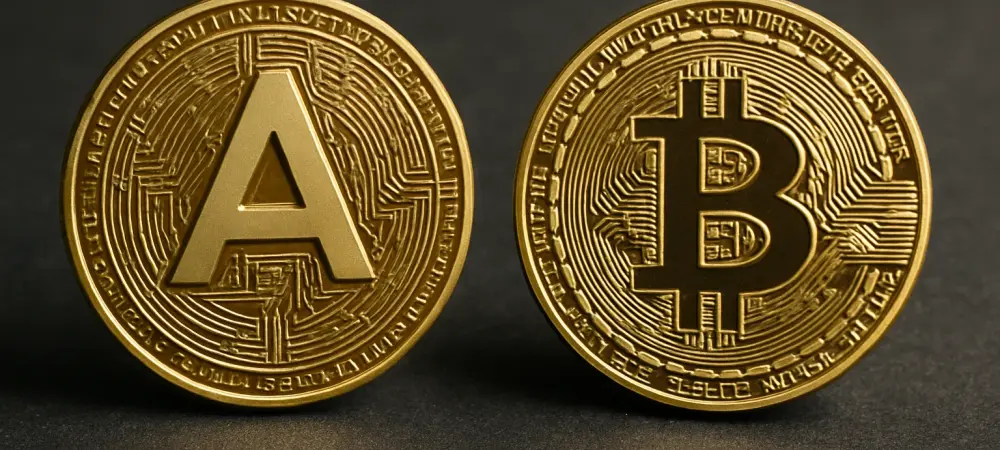
Unveiling the Crypto Battleground: Why This Comparison Matters
In the fast-paced realm of cryptocurrency, where market capitalization can shift overnight, a staggering $2.5 trillion global market value underscores the fierce competition among blockchain projects. Amid this digital gold rush, a new contender, Avalon X (AVLX), emerges with a real-estate-backed Real World Asset (RWA) model, challenging established giants like Solana (SOL) and XRP. This analysis aims to dissect the market dynamics, technological underpinnings, and investment potential of these projects, shedding light on whether Avalon X can carve out a dominant position. The significance lies in understanding how evolving investor preferences—shifting toward tangible value—could redefine the hierarchy of crypto assets. As blockchain technology matures, identifying which projects align with market trends becomes crucial for strategic positioning.
Market Trends and Deep Dive into Blockchain Contenders
Current Landscape: Infrastructure vs. Real-World Utility
The cryptocurrency market today is characterized by a dichotomy between infrastructure-focused blockchains and utility-driven tokens. Projects like Solana and XRP have long anchored the ecosystem with their emphasis on scalability and institutional adoption, catering to decentralized finance (DeFi) and cross-border payments, respectively. Meanwhile, the rise of RWAs, exemplified by Avalon X, introduces a paradigm where digital assets are tied to physical properties, offering intrinsic value through hospitality perks and real estate benefits. This trend reflects a growing demand for investments that bridge the gap between virtual and tangible worth, with market data indicating a 30% uptick in RWA token interest over the past year. As investors diversify, the tension between speculative growth and stable utility shapes portfolio strategies.
Solana’s Dominance: Speed with a Side of Risk
Solana stands as a titan in the blockchain infrastructure space, renowned for its high transaction throughput, often exceeding 65,000 transactions per second, making it a hub for DeFi and gaming applications. Trading in the low-$200 range, it sustains robust demand, bolstered by consistent developer activity that fuels ecosystem expansion. However, recurring network outages remain a critical vulnerability, eroding trust during peak usage periods and hindering its push past key price resistance levels. Market sentiment suggests that while Solana’s long-term outlook as a foundational layer remains solid, its short-term volatility tied to technical reliability poses risks for risk-averse investors. Addressing these stability concerns will be pivotal for maintaining its competitive edge.
XRP’s Steady Path: Institutional Strength Amid Constraints
XRP, developed by Ripple, continues to hold a unique niche in institutional payments, facilitating seamless cross-border transactions for banks and liquidity providers. With a current price around $2.8, it has shown resilience despite regulatory overhangs, benefiting from recent legal clarity that boosts adoption prospects. Yet, its price momentum lags behind market expectations, reflecting a focus on structural growth over speculative surges. Analysts note that XRP’s appeal lies in its steady integration into financial systems, though its limited retail excitement constrains explosive gains. For XRP to elevate its market standing, navigating global regulatory landscapes and enhancing consumer-facing utility could unlock untapped potential.
Avalon X’s Disruption: Real Estate Meets Blockchain Innovation
Avalon X enters the fray with a bold proposition, leveraging nearly $1 billion in real estate assets from Grupo Avalon to create a tokenized membership model. Unlike traditional property ownership, it offers practical benefits like stays, discounts, and curated hospitality experiences, potentially sidestepping regulatory complexities. Currently in its presale phase, Avalon X employs disciplined tokenomics with a capped supply and innovative campaigns, such as a $1 million giveaway and an Eco Valley townhouse contest, to drive community engagement. Market observers highlight its early-stage promise, though risks loom large—success depends on adoption rates and the execution of real-world deliverables. This consumer-centric approach positions Avalon X as a high-risk, high-reward asset in a market hungry for novelty.
Future Projections: Convergence of Trends and Opportunities
Looking ahead, the crypto market is poised for a blend of infrastructure resilience and RWA innovation, with projections estimating a 25% growth in tokenized asset adoption by 2027. Solana is expected to solidify its role in DeFi and gaming if network upgrades mitigate outages, potentially pushing its valuation toward new highs. XRP’s trajectory hinges on expanded institutional partnerships, with analysts forecasting moderate price appreciation tied to regulatory tailwinds. Avalon X, as an emerging player, could capture niche market share if it scales its community and fulfills hospitality promises, with early presale momentum suggesting a possible breakout. The interplay between technological advancements and tangible asset integration will likely dictate which projects lead the next wave of investor interest.
Reflecting on the Analysis: Strategic Moves for Market Players
Reflecting on this market analysis, it is evident that Solana and XRP hold firm as indispensable pillars of blockchain infrastructure, appealing to those who prioritize long-term stability in their investment portfolios. Avalon X, by contrast, emerges as a daring wildcard, offering speculative growth through its real estate-backed utility and early-stage incentives. The implications are clear: the cryptocurrency landscape has evolved to accommodate diverse investor needs, from foundational assets to disruptive innovations. For strategic positioning, investors are advised to balance holdings between established players like Solana and XRP for reliability, while allocating a smaller, tactical stake in Avalon X to capture potential upside. Monitoring Solana’s technical fixes, XRP’s regulatory progress, and Avalon X’s community milestones becomes essential next steps to navigate this dynamic market with informed precision.