
Is Android SmartPOS Revolutionizing Swiss SMEs’ Operations?

Article Highlights
Off On

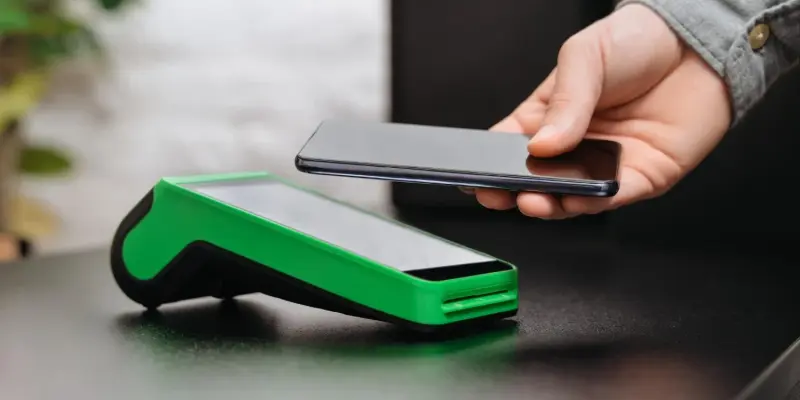
Worldline’s recent introduction of the Android SmartPOS solution in Switzerland signifies a transformative moment for small and medium-sized enterprises (SMEs) striving to modernize their operations. Positioned as more than just a payment instrument, the Android SmartPOS integrates advanced functionalities, combining payment processing with an array of business applications. Built on the innovative Saturn 1000F2 Portable terminal, this device serves as a comprehensive platform where SMEs can seamlessly merge transaction capabilities with operational efficiency. Accessible apps such as Mini Cashier, which mimics a digital cash register, demonstrate its potential to streamline business processes. Meanwhile, the SmartPOS Store offers an expanding selection of tools that enhance customer engagement, including content display and survey feedback, turning every interaction into a strategic opportunity.

Transforming Operations with Multifunctional Capability

The Android SmartPOS platform transcends traditional payment processing, opening previously inaccessible doors for SMEs. It acts as a central hub where business workflows can be unified, allowing both proprietary and third-party apps to operate. This flexibility empowers businesses to customize the SmartPOS for their unique requirements, boosting efficiency and productivity. Worldline reinforces this ecosystem through a bespoke developer portal, nurturing innovation and enhanced customization. This methodology ensures businesses adapt to evolving market conditions, benefiting from streamlined operations and cost-effective tactics to refine pricing and enter new markets. The Android SmartPOS marks a substantial move towards an integrated management system, enabling businesses to elevate customer experiences directly at the interaction point. Through its seamless integration and accessibility, Worldline’s solution represents a critical advancement for Swiss SMEs, transforming the conventional checkout experience into a comprehensive business strategy focus.

Explore more

Hotels Must Rethink Recruitment to Attract Top Talent

With decades of experience guiding organizations through technological and cultural transformations, HRTech expert Ling-Yi Tsai has become a vital voice in the conversation around modern talent strategy. Specializing in the integration of analytics and technology across the entire employee lifecycle, she offers a sharp, data-driven perspective on why the hospitality industry’s traditional recruitment models are failing and what it takes

Trend Analysis: AI Disruption in Hiring

In a profound paradox of the modern era, the very artificial intelligence designed to connect and streamline our world is now systematically eroding the foundational trust of the hiring process. The advent of powerful generative AI has rendered traditional application materials, such as resumes and cover letters, into increasingly unreliable artifacts, compelling a fundamental and costly overhaul of recruitment methodologies.

Is AI Sparking a Hiring Race to the Bottom?

Submitting over 900 job applications only to face a wall of algorithmic silence has become an unsettlingly common narrative in the modern professional’s quest for employment. This staggering volume, once a sign of extreme dedication, now highlights a fundamental shift in the hiring landscape. The proliferation of Artificial Intelligence in recruitment, designed to streamline and simplify the process, has instead

Is Intel About to Reclaim the Laptop Crown?

A recently surfaced benchmark report has sent tremors through the tech industry, suggesting the long-established narrative of AMD’s mobile CPU dominance might be on the verge of a dramatic rewrite. For several product generations, the market has followed a predictable script: AMD’s Ryzen processors set the bar for performance and efficiency, while Intel worked diligently to close the gap. Now,

Trend Analysis: Hybrid Chiplet Processors

The long-reigning era of the monolithic chip, where a processor’s entire identity was etched into a single piece of silicon, is definitively drawing to a close, making way for a future built on modular, interconnected components. This fundamental shift toward hybrid chiplet technology represents more than just a new design philosophy; it is the industry’s strategic answer to the slowing