

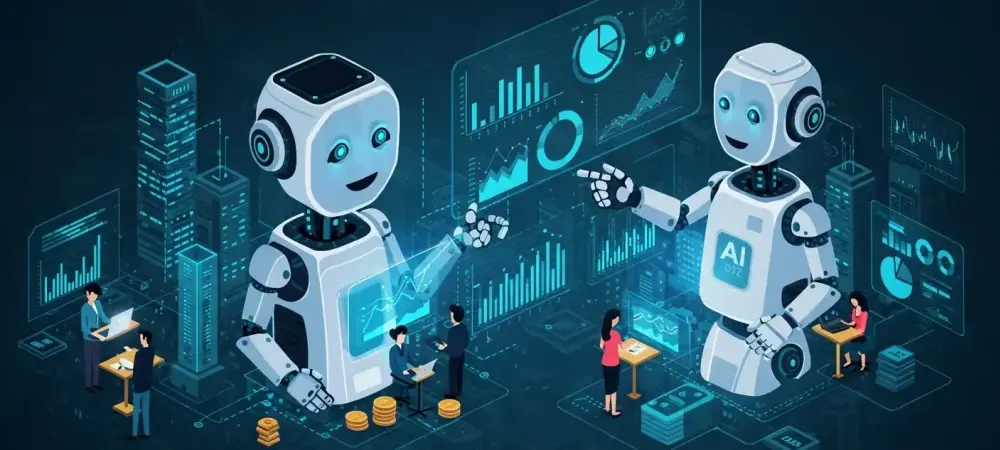
Can a machine truly grasp your financial aspirations better than a seasoned advisor? As technological advancements pique interest in the wealth management field, the implementation of artificial intelligence promises an era of precision and personalization. An unexpected leap in AI-driven financial recommendation accuracy has become evident, drawing attention to those seeking tailored investment advice. Picture a young professional, bombarded with generic solutions yet seeking unique direction until AI delivers unforeseen possibilities.
The Changing Face of Financial Personalization
The demand for personalized financial services has grown rapidly, driven by changing economic landscapes and the desire for individualized experiences. As AI becomes more prevalent in wealth management, it is revolutionizing an industry traditionally reliant on human insight. The rise of AI coincides with broader technological disruptions, upending established models across various sectors. Despite AI’s potential, consumer concerns about privacy, trust, and the continued role of human expertise in an AI-fueled world remain at the forefront.
Delving into AI’s Influence on Precision
Artificial intelligence’s capabilities are redefining the possibilities in wealth management. Leveraging machine learning, natural language processing, and data analytics, AI crafts portfolios tailored to individual clients. Visionary firms like Farther Wealth Management are gaining a competitive edge by employing AI to devise intricate strategies. Real-time AI algorithms now integrate complex variables, such as geopolitical risks and social sentiments, creating an adaptable and nuanced approach to investment.
Voices of Experience: Insights and Stories
Industry professionals, such as Michael Flatley, share valuable insights about AI’s transformative role. Research consistently highlights AI’s efficiency and accuracy in delivering advanced financial strategies. Anecdotes of successful AI-assisted advisor-client relationships illustrate the profound impact of technological integration, underscoring a harmonious balance between human and machine capabilities.
Charting the Path to AI Integration
For wealth management firms, integrating AI while maintaining high ethical standards is crucial. Strategies must be developed for advisors to seamlessly blend AI technology with personal expertise, ensuring enriched client engagements. Consumers can also benefit by learning how to effectively utilize AI-powered services, ensuring alignment with their financial objectives. For those navigating these changes, understanding AI’s potential empowers them to harness its advantages while addressing valid concerns.
The Road Ahead for AI in Wealth Management
Looking at the path AI has carved into wealth management, individuals and companies have found themselves standing at a crossroads, deciding how to leverage these new tools. The potential for increased efficiency, personalization, and precision has been substantial, offering a promising future for the industry. However, the need to balance technological innovation with the human touch that clients value remains a crucial consideration. As artificial intelligence continues to evolve, its ability to transform how wealth management firms operate becomes a testament to both its challenges and remarkable potential, setting the stage for a future where technology and personal service coexist harmoniously.