

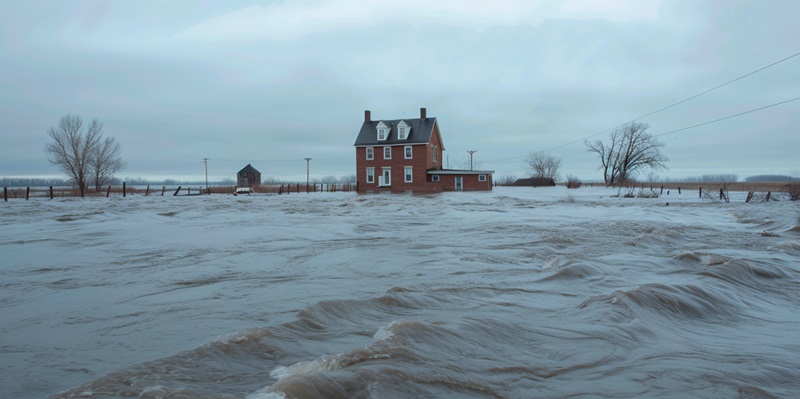
Norwegian startup 7Analytics has made a splash in the InsurTech industry with its innovative approach to flood risk assessment. By securing a €4 million funding round from Scale Capital, this fledgling company is not just dipping its toes into the market—it’s diving in headfirst. With these fresh funds, 7Analytics aims to expand its geographical footprint and storm one of the world’s largest insurance markets: the United States.
A Deluge of Data: Revolutionizing Flood Risk Analysis
7Analytics’ Rise in InsurTech
Since its inception in 2020, 7Analytics has swiftly navigated through the industry currents, securing its presence as a pivotal player in the InsurTech sector. The company’s unique solution provides insurers and asset owners with detailed, property-level flood risk assessments. This transformative approach caters to an urgent need within the insurance arena, particularly in regions where flood-prone areas suffer from a scarcity of precise risk data, often leading to insurance providers withdrawing from the market altogether. By addressing this gap, 7Analytics doesn’t only offer a lifeboat to at-risk communities but also opens up new horizons for insurers.
Expansion Strategies into New Markets
The push into the U.S. market comes at a crucial time when the frequency and severity of flooding events have put insurers on high alert. 7Analytics recognizes the vast potential within the American landscape to leverage its groundbreaking data analytics and predictive modeling capabilities. As local and regional insurers grapple with the complexities of flood insurance, 7Analytics’ venture could mean turning the tide, providing a beacon of clarity in previously murky waters. This expedition also demonstrates the company’s commitment to innovation and unwavering effort to become a harbinger of change in the age-old insurance industry.
FinTech Innovations Galore: A Sector in Transformation
Evolving Payment Solutions and Sustainability Efforts
Making waves with its Pay-At-Table feature, NCR Voyix emerges as another embodiment of the FinTech sector’s commitment to revolutionizing traditional financial transactions. Streamlining the payment process for an industry as dynamic as hospitality signifies the agile adaptation of technology to enhance customer experience. In parallel, the debut of an ESG Index by Semantic Visions illustrates the industry’s acknowledgment of sustainability as a business imperative, giving enterprises the tools to evaluate their impact via comprehensive media analysis.
The Rise of Digital Banking and Cybersecurity Measures
The Norwegian InsurTech startup, 7Analytics, is generating buzz with its cutting-edge flood risk assessment tools. Having successfully secured a hefty €4 million in funding from Scale Capital, 7Analytics is not just tiptoeing but making a bold entry into the competitive market. This injection of capital propels the company’s ambition to broaden its reach, specifically targeting the expansive U.S. insurance sector. Empowered by this financial boost, 7Analytics is set to scale up operations and tackle the challenges of assessing and managing flood risks in one of the world’s most dynamic insurance landscapes. As climate change continues to pose significant threats, innovative solutions like those offered by 7Analytics are increasingly valuable, and their entry into the U.S. market comes at a critical time for insurers grappling with natural disaster preparedness and response.