

Introduction
The contemporary digital asset landscape is currently witnessing a profound migration of capital as seasoned traders move away from the predictable safety of legacy protocols toward high-velocity presale opportunities that promise disruptive utility. This movement signifies a broader change in how market participants evaluate risk versus reward in an environment where established blockchains have already reached a state of institutional saturation. While large-cap assets provide a reliable foundation for corporate treasuries, they often lack the volatility required to achieve the exponential returns that defined earlier eras of cryptocurrency growth.
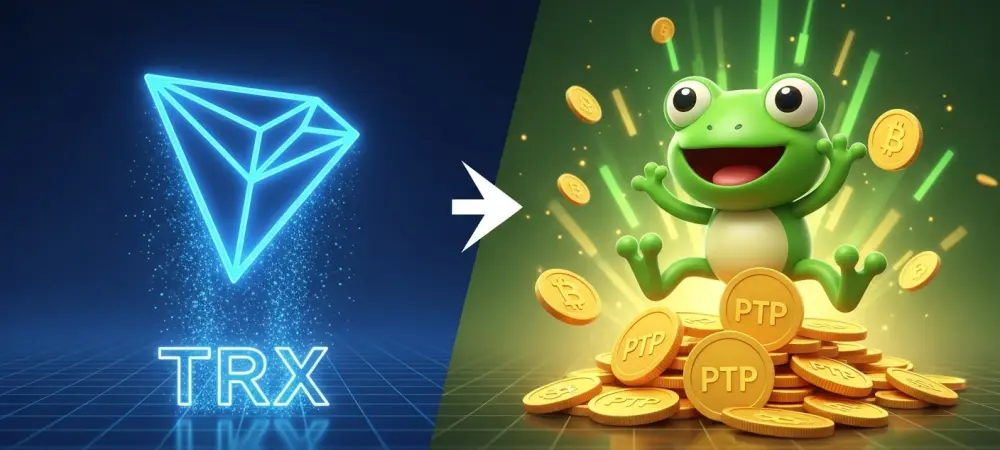
This analysis explores the divergent trajectories of Tron and the emerging Pepeto ecosystem, focusing on why the current market favors the latter’s presale phase. Readers can expect to gain insights into the technical pressures facing Layer 1 networks and the specific mechanics that allow new utility-driven tokens to capture massive liquidity. By examining the intersection of meme culture and institutional-grade financial tools, the report clarifies the strategic maneuvers currently reshaping modern portfolios.
Key Questions or Key Topics Section
Why Is the Market Sentiment Shifting Away From Established Assets Like Tron?
Tron has successfully transitioned into a pillar of the global financial infrastructure, acting as the primary rail for stablecoin settlements with an immense share of the Tether market. Its integration into traditional finance is undeniable, especially with its presence as a corporate treasury asset for various institutional entities following its listing on major equity indices. However, this level of maturity has resulted in a price ceiling that often fails to excite retail investors who are seeking significant growth multipliers. The network effectively processes trillions in volume, yet the market capitalization remains so large that even substantial adoption news barely moves the price needle.
Moreover, the stability that makes Tron attractive to institutional users often acts as a deterrent for those chasing high-alpha opportunities. Currently trading within a narrow range around $0.33, the asset is viewed more as a financial utility rather than a speculative vehicle. While the network boasts millions of active daily addresses, the consensus among traders is that the fundamental value is already priced in. Consequently, the focus has moved toward assets that have not yet undergone their primary listing events, where the potential for price discovery remains much higher.
What Technical Innovations Does Pepeto Offer to Justify Its Viral Growth?
The emergence of Pepeto represents a new chapter in the evolution of digital assets, blending the viral appeal of meme-centric branding with sophisticated financial architecture. Unlike its predecessors, which relied solely on community sentiment, this project introduces a zero-fee swap tool designed to route token pairs across multiple blockchains without incurring the usual overhead. This technical capability addresses a persistent pain point in the decentralized finance sector, where high slippage and transaction costs often eat into trader profits. Furthermore, the project’s cross-chain bridge facilitates the seamless movement of assets, creating a more cohesive user experience in a fragmented multi-chain world. The involvement of seasoned industry veterans, including architects from major exchange backgrounds, lends a degree of technical credibility that is rare in the presale space. By providing these tools at no cost, the ecosystem effectively lowers the barrier to entry for sophisticated trading, attracting a user base that values both utility and the cultural relevance of the underlying token.
How Does the Lean Ethereum Roadmap Impact the Competitive Edge of Tron?
The competitive moat surrounding Tron is facing a direct challenge from the latest structural overhauls within the Ethereum network. The Lean Ethereum initiative aims to reduce transaction costs by a factor of ten through a comprehensive storage redesign and the introduction of new state tiers. This pivot is particularly significant because Tron’s primary advantage has always been its low-fee environment for stablecoin transfers. If Ethereum successfully closes this fee gap while maintaining its superior decentralization, the incentive for users to remain on alternative Layer 1 chains could diminish.
Additionally, the inclusion of quantum resistance and enhanced privacy features as core protocol upgrades positions Ethereum to reclaim much of the institutional volume it previously lost to competitors. Investors are beginning to realize that the technical landscape is no longer static, and a more efficient Ethereum could potentially render current speed advantages obsolete. This shifting dynamic forces traders to reconsider the long-term viability of holding high-cap tokens that rely on a single utility niche, such as cheap transfers, which are now being commoditized across the industry.
What Specific Tokenomics Drive the Scarcity and Value of the Pepeto Ecosystem?
The economic structure of the Pepeto presale is designed to create a deflationary environment that rewards early participants and long-term holders. With a fixed supply and a scheduled weekly burn mechanism, the protocol actively reduces the number of circulating tokens, increasing the scarcity of the remaining supply. This mechanical path toward value appreciation is a critical component of the project’s appeal, as it provides a clear framework for growth that is independent of general market volatility.
In contrast to the stagnant supply-demand dynamics of older tokens, this project incentivizes participation through a high-yield staking pool. By offering an annual percentage yield that significantly exceeds traditional finance or even other decentralized protocols, the ecosystem ensures that a large portion of the supply remains locked and out of the immediate sell-side market. This combination of fixed supply, aggressive burning, and high-yield staking creates a pressurized environment that often leads to rapid price increases once the token debuts on major global exchanges.
Summary or Recap
The current market environment is characterized by a clear divergence between the reliability of established Layer 1 protocols and the explosive potential of utility-driven presales. While Tron remains a fundamental utility for stablecoin settlement, its massive valuation limits the possibility of the dramatic returns that many participants seek. The network continues to serve as a vital financial rail, but its price action reflects a saturated asset that is increasingly sensitive to the technical advancements of its larger competitors.
Pepeto represents the vanguard of a new sector where legitimate technical tools like cross-chain bridges and zero-fee swaps are used to back up viral marketing efforts. The success of its presale, which has already cleared significant funding milestones, suggests that liquidity is flowing toward projects with clear listing catalysts and deflationary tokenomics. This shift underscores a preference for assets that offer technical utility alongside a low entry point, providing the multiplier effect that is no longer possible with large-cap tokens.
Conclusion or Final Thoughts
The evaluation of the shifting capital flows between Tron and Pepeto revealed a strategic pivot among market participants who prioritized high-reward scenarios over predictable stability. Traders recognized that as Ethereum became leaner and more efficient, the competitive advantages of established alternative blockchains faced inevitable erosion. They looked beyond the safety of top-tier market caps and sought out audited, utility-heavy projects that offered tangible solutions to cross-chain fragmentation and high transaction costs.
Moving forward, those navigating this market should consider the importance of identifying projects that bridge the gap between cultural resonance and technical infrastructure. The rise of utility-meme hybrids suggested that the next phase of growth would likely be dominated by protocols that combined community engagement with institutional-grade trading tools. Investors who prepared for these listing events and understood the deflationary mechanics of early-stage entries positioned themselves to capitalize on a landscape where innovation and scarcity remained the primary drivers of wealth creation.