

The landscape of home insurance is undergoing a significant transformation, driven by a surprising and costly reality that has eclipsed even the risk of fire in terms of financial losses. Non-weather-related water damage, often stemming from slow, hidden leaks, has become the leading cause of property claims, compelling the insurance industry to pivot from a traditional, reactive model of compensating for damage to a proactive strategy of technology-driven prevention. This industry-wide shift is rapidly establishing a new baseline for responsible homeownership, where carriers are no longer just recommending but increasingly mandating the installation of smart water leak detection systems as a prerequisite for coverage. This change signals a new era in risk management, where the burden of prevention is shared more directly with the policyholder, fundamentally altering the relationship between insurer and insured.
The Evolution from Passive Alarms to Proactive Systems
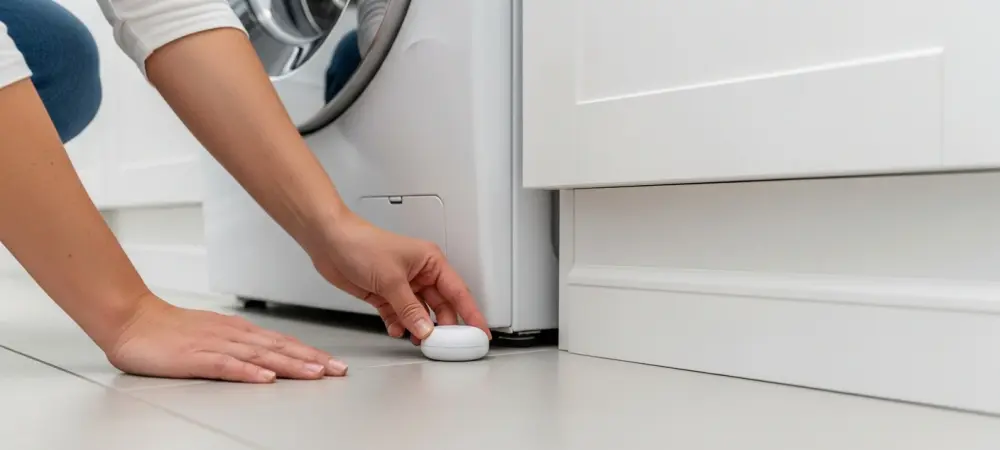
For decades, the primary defense against water leaks consisted of simple, passive devices that offered a limited and often ineffective layer of protection. These early detectors were typically small, battery-operated plastic pucks placed on the floor in high-risk areas like basements or laundry rooms. Their sole function was to emit a loud, audible beep upon direct contact with water. While seemingly practical, this technology’s effectiveness was severely constrained by its reliance on someone being physically present to hear the alarm and take immediate action. A leak that started while a family was on vacation, or even just away for the day, could go completely unnoticed. The alarm would sound in an empty house, providing no real defense as water continued to pool, seep into subflooring, and cause irreversible structural damage. This fundamental flaw rendered such devices inadequate for preventing the most catastrophic and expensive water damage scenarios, forcing the industry to seek a more robust and intelligent solution.
In contrast, the new generation of smart water monitoring systems represents a quantum leap in home protection technology, offering the proactive capabilities that insurers now demand. These advanced systems fall into two main categories, both designed for immediate and decisive action. The first type utilizes a network of interconnected sensors strategically placed near water heaters, washing machines, sinks, and toilets. When any sensor detects moisture, it doesn’t just trigger a local alarm; it instantly sends a push notification to the homeowner’s smartphone via a central hub, enabling a swift response regardless of their location. The second, more comprehensive solution is a whole-home shutoff valve. This device is professionally installed on the main water line and employs sophisticated technologies like ultrasonic sensors to continuously analyze the flow patterns throughout the house. By learning the home’s normal water usage, it can identify anomalies—from a sudden pipe burst to a continuously running toilet—and automatically shut off the entire water supply within seconds, effectively preventing a minor issue from escalating into a full-blown flood.
A New Standard of Homeownership and Risk Management
The aggressive adoption of these technologies is a cornerstone of the burgeoning “InsureTech” movement, where data and smart devices are integrated to more accurately assess, manage, and mitigate risk. For insurance carriers, promoting the use of smart leak detectors is a calculated strategy to “de-risk” their portfolios. With statistical data from organizations like the Insurance Information Institute consistently showing that water damage and freezing account for nearly one-quarter of all homeowner insurance losses, the financial incentive to prevent these events is immense. The resulting paradigm is presented as a mutually beneficial arrangement. For the homeowner, it provides a direct financial reward through premium discounts, which typically range from 5% to 10%. More importantly, it offers the profound peace of mind that comes with knowing their most valuable asset is actively protected from a potentially devastating flood. For the insurer, it translates into a significant reduction in both the frequency and the severity of water-related claims, bolstering their financial stability.
However, this industry shift extends beyond simple incentives and discounts. Many carriers are now implementing a more forceful “stick” approach through the inclusion of “protective device endorsements” within their policy contracts. This language contractually obligates the homeowner to install and maintain a functional, approved leak detection system as a condition of their coverage or discount. This introduces a critical new layer of responsibility for the policyholder, transforming the device from a helpful gadget into a piece of essential safety equipment. In the event of a water damage claim, an insurer may investigate the status of the required system. If it is discovered that the device was disabled—for example, it was unplugged or its batteries were allowed to die—the carrier could argue that the homeowner failed to uphold their end of the agreement. This breach of contract could potentially lead to a partial or even a full denial of the claim, underscoring the necessity for homeowners to treat these systems with the same diligence as smoke detectors or security alarms.
The Dawn of the Self-Aware Home
The industry’s decisive move toward mandating smart water monitors marked a turning point, solidifying their transition from a luxury item for tech enthusiasts to an essential component of modern homeownership. This change was ultimately driven by an insurance sector grappling with billions of dollars in preventable losses. The long-standing, passive approach to home maintenance became obsolete, replaced by a new paradigm of proactive, technology-assisted risk management. This shift was part of a broader movement that aimed to create more resilient, self-aware homes capable of automatically protecting themselves from common perils. Homeowners who proactively embraced this technology not only safeguarded their properties from the immense physical and emotional toll of a flood but also strategically secured better insurance rates and more reliable coverage in an industry that had come to depend on technology to define and manage risk.