

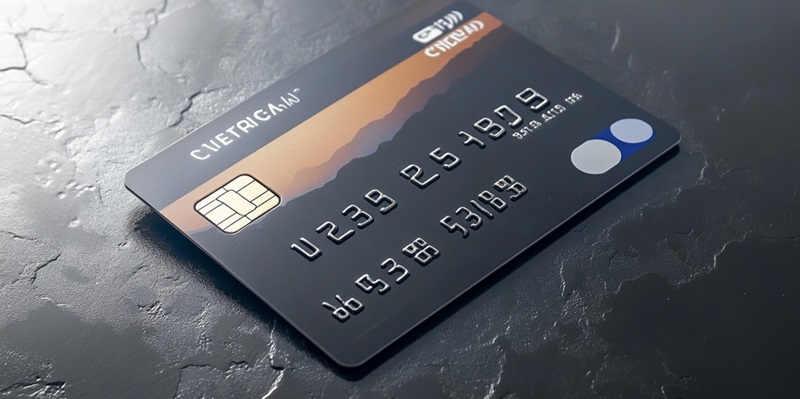
In an ambitious move to redefine payment solutions, Ibanera, a leading digital banking platform, has teamed up with global financial services provider FIS to introduce a comprehensive prepaid card program targeting both businesses and individual consumers in the United States. Utilizing Visa’s extensive global network, the new prepaid card program enables secure payments at any location where Visa is accepted. The initiative highlights key features such as the immediate issuance of virtual or physical cards, multi-currency transaction capabilities, and support for both domestic and international transactions.
Michael Carbonara, CEO of Ibanera, has highlighted the collaboration’s vital role in offering innovative and secure financial solutions that cater to the contemporary needs of consumers and businesses. This prepaid card program is not just another financial product; it comes equipped with a variety of functionalities, including payroll management, travel expense tracking, and government payments. Businesses can even personalize these prepaid cards by branding them with their logos, enhancing their market presence and user engagement.
Additionally, the program supports tokenized cards compatible with major digital wallets, enabling secure and convenient mobile payments. Users benefit from real-time monitoring and management of their transactions through Ibanera’s comprehensive online portal, which significantly enhances financial control and transparency. This feature ensures that consumers and businesses alike can keep an accurate and up-to-date overview of their finances, thereby fostering responsible financial practices.
Open to both U.S. residents and businesses, the prepaid card program offers multiple funding options such as Fedwire, ACH Direct Deposit, FedNow, P2C, and Visa ReadyLink. This range of funding choices ensures that users have the flexibility to load their cards in the most convenient way for them. By partnering with FIS, a company renowned for its extensive expertise in the prepaid industry, Ibanera aims to create a seamless and efficient payment experience designed to meet the diverse demands of today’s market. This collaboration promises to deliver an advanced, user-friendly prepaid card solution that could set new standards in the financial services sector.
As the prepaid card program rolls out, stakeholders anticipate a positive reception given the rising need for sophisticated and secure payment methods. In light of this, the partnership between Ibanera and FIS appears to be a timely response to evolving market dynamics. Moving forward, both companies are committed to continuous innovation, ensuring that the program remains at the forefront of financial technology, to provide even more tailored and effective solutions for end-users.