

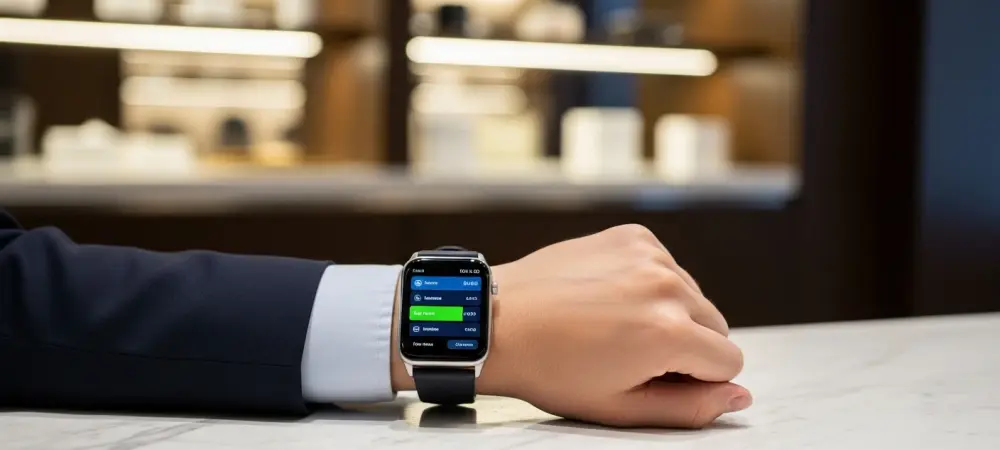
The traditional bulky point-of-sale hardware is rapidly becoming a relic of the past as professional-grade financial tools migrate directly onto the wrists of modern entrepreneurs. This strategic alliance between Huawei and the Luxembourgish fintech innovator Yowpay marks a pivotal transition in the wearable market, moving beyond fitness tracking into the realm of enterprise-level financial infrastructure. By transforming the Huawei Watch GT and Watch Ultimate series into functional payment terminals, the partnership demonstrates how open banking can eliminate the technical and financial friction typically associated with mobile commerce.
Evolution of Open Banking and Hardware Independence
Historical reliance on centralized card networks has often burdened small businesses with high transaction fees and the constant need for specialized hardware maintenance. However, the maturation of the Single Euro Payments Area (SEPA) and the proliferation of account-to-account (A2A) frameworks have shifted the power dynamic toward more decentralized solutions. These regulatory milestones provided the necessary groundwork for Yowpay to develop a system that bypasses intermediaries, offering a more direct route for capital flow.
Impact of Wrist-Based Payment Acceptance
Streamlining Transactions with Account-to-Account Orchestration
The integration of Yowpay’s orchestration technology allows for near-instantaneous settlement via SEPA Instant transfers. When a merchant initiates a sale, the smartwatch generates a dynamic QR code that the customer simply scans with their own mobile banking application. This peer-to-peer approach removes the standard 1% to 3% fees charged by traditional card schemes, directly improving the profit margins for independent operators.
Enhancing Mobility for Niche Service Sectors
Portability serves as the primary driver for adoption within the high-mobility service economy, where carrying a separate card reader is often impractical. For professionals such as delivery drivers or pop-up vendors, having a payment terminal integrated into a wearable device reduces the risk of hardware failure or connectivity issues between separate devices. This streamlined setup ensures that the merchant remains ready to transact at any moment without needing to manage multiple batteries or Bluetooth pairings.
Navigating the Complexities of Financial Sovereignty
This ecosystem extends beyond simple payment collection by incorporating automated reconciliation and IBAN issuance directly into the platform. This comprehensive approach shifts the perception of smartwatches from mere notification hubs to central nodes of a professional workflow. By providing merchants with total financial autonomy, the collaboration addresses the growing demand for tools that offer both high-performance hardware and sophisticated back-end financial management.
Emerging Trends in Wearable Financial Infrastructure
The current market trajectory suggests a significant move toward the “app-ification” of financial hardware, where specialized plastic cards and dedicated terminals are replaced by secure software environments. As central bank digital currencies and advanced blockchain protocols become more integrated into daily commerce, wearables will likely evolve into essential tools for identity verification and instant settlement. This shift indicates a future where the boundary between consumer electronics and professional financial services is almost entirely erased.
Strategies for Integrating Wearable Payment Solutions
Enterprises looking to stay ahead of the curve should prioritize the adoption of A2A payment systems to reduce overhead costs. Transitioning to this wearable technology requires a simple application download from the Huawei AppGallery and the setup of a digital IBAN through the Yowpay portal. Businesses that effectively educated their clientele on the security benefits of QR-based payments found themselves better positioned to thrive in an increasingly cashless and mobile-first retail environment.
Redefining the Future of Point-of-Sale Technology
The successful deployment of this terminal proved that the future of commerce was inherently wearable and decentralized. This innovation successfully bridged the gap between high-end consumer hardware and professional fintech requirements, offering a glimpse into a more inclusive financial landscape. It became clear that as more merchants embraced these agile systems, the traditional hurdles of the payment industry began to dissipate, leaving behind a more efficient model for global trade.