

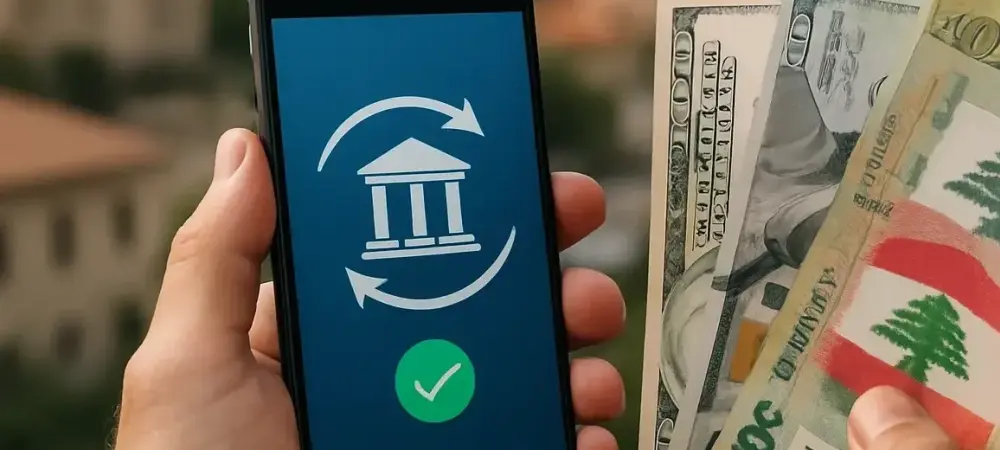
What happens when a nation’s survival hinges on money sent from abroad, yet the systems to deliver it are slow, expensive, and unreliable? In Lebanon, this challenge affects millions who depend on remittances to afford basic necessities like food and medicine. A groundbreaking partnership between Whish Money, a Lebanese digital financial services provider, and Mastercard, a global payments leader, is poised to transform this landscape. By leveraging cutting-edge technology and expansive networks, this collaboration offers a lifeline to countless families, promising faster, more secure, and accessible money transfers during a time of dire economic need.
Why Remittances Are Lebanon’s Backbone
Remittances are not just financial transactions in Lebanon; they are the backbone of survival for many households grappling with economic collapse. According to the World Bank, the country ranks third in the Middle East and North Africa region for remittance inflows, with billions pouring in annually to support families. These funds often cover essentials that local wages or savings cannot, making every dollar critical in a nation plagued by currency devaluation and banking crises.
The stakes couldn’t be higher as traditional remittance channels frequently fall short, burdened by high fees and delays that can stretch for days or weeks. For a family waiting on funds to pay for a hospital bill, such inefficiencies can be devastating. This partnership between Whish Money and Mastercard emerges as a beacon of hope, directly addressing these pain points with innovative solutions designed to meet urgent needs.
Inside the Collaboration That’s Changing Lives
At the heart of this alliance is a commitment to streamline cross-border money transfers with unprecedented efficiency. Whish Money users can now send funds to over 50 countries, while Lebanese expatriates abroad can transfer money back home with ease. Recipients benefit from flexible options, including bank deposits, mobile wallets, or cash pick-up locations, tailored to the capabilities of each destination. A standout feature is the integration of Mastercard Move, a powerful money movement portfolio connecting over 200 markets and 150 currencies. This network reaches 95% of the world’s banked population, ensuring speed and transparency in transactions. Additionally, in a first for Lebanon, consumers can fund their Whish Money wallets using cards alongside cash, marking a significant leap in accessibility for digital remittances.
This collaboration isn’t just about technology; it’s about solving real-world problems. By reducing barriers to financial flows, the partnership tackles long-standing issues of cost and delays, empowering Lebanese communities with tools to manage their finances more effectively in times of crisis.
Voices Behind the Vision
Leaders from both organizations are vocal about the transformative potential of this initiative. Toufic Koussa, co-founder and CEO of Whish Money, describes the partnership as a vital step toward delivering “fast, secure solutions” for international transfers, especially when every moment counts for struggling families. His optimism reflects a deep understanding of the local context and the urgent demand for reliable financial services.
Onur Kursun, Mastercard’s executive vice president for commercial and new payment flows in the EEMEA region, echoes this sentiment, emphasizing the ability to scale operations and meet growing consumer needs with “market-first innovations.” These insights highlight a shared mission to not only enhance Whish Money’s capabilities but also to expand Mastercard’s impact in Lebanon, setting a new standard for digital payment solutions in the region.
Their combined perspectives underscore a broader trend: the shift toward digital financial tools as a response to economic hardship. This alliance represents a fusion of local expertise and global reach, aiming to bridge gaps in a system that has long underserved vulnerable populations.
Real Stories, Real Impact
Consider the case of a Lebanese mother in Beirut waiting for funds from her son working in the Gulf to buy medication for her child. In the past, she might have waited days for a transfer through traditional channels, paying steep fees that cut into the amount received. With the new Whish Money and Mastercard system, the money arrives in hours, directly into a mobile wallet, with full transparency on costs and timing.
Such stories illustrate the human impact of this partnership. Expatriates, too, find relief in knowing their hard-earned money reaches loved ones without unnecessary hurdles. The ability to choose how funds are received—whether through a bank account or cash pick-up—adds a layer of convenience that was previously unimaginable for many in Lebanon.
Beyond individual experiences, this initiative signals a shift in how remittances are perceived: no longer a cumbersome obligation but a seamless act of support. By prioritizing user needs, the collaboration redefines financial connectivity for a nation in desperate need of stability.
How to Tap Into This Financial Revolution
Navigating the updated remittance landscape is simpler than ever for Lebanese consumers and expatriates alike. Start by downloading the Whish Money app and setting up a digital wallet, which can be funded using either a card or cash for maximum flexibility. This initial step opens the door to a world of efficient transactions.
Next, select the transfer method that best suits the recipient’s situation—be it a direct bank deposit, a mobile wallet transfer, or a cash pick-up at a designated location. The platform’s real-time tracking tools provide peace of mind, allowing users to monitor every stage of the transfer process with clarity and confidence.
Finally, capitalize on the global reach of the Mastercard Move network to connect with family and friends across more than 50 countries. This system ensures that whether sending money abroad or receiving it at home, the process remains swift and secure, empowering users to overcome the challenges of cross-border finance with ease.
Reflecting on a Milestone for Lebanon
Looking back, the partnership between Whish Money and Mastercard stood as a turning point for countless Lebanese families, offering a reliable solution when economic hardship threatened their very livelihoods. It redefined how remittances were accessed and managed, bringing speed and security to transactions that once caused endless frustration.
The impact went beyond mere convenience, fostering a sense of connection between those at home and abroad, ensuring that financial support arrived when it was needed most. For future progress, attention turned toward expanding these services to even more remote areas, ensuring no one was left behind in accessing vital funds.
Consideration also shifted to integrating additional features, such as lower transaction fees or broader currency options, to further ease the burden on users. This alliance laid a strong foundation, but the journey to complete financial inclusion in Lebanon continued to demand innovation and dedication from all stakeholders involved.