

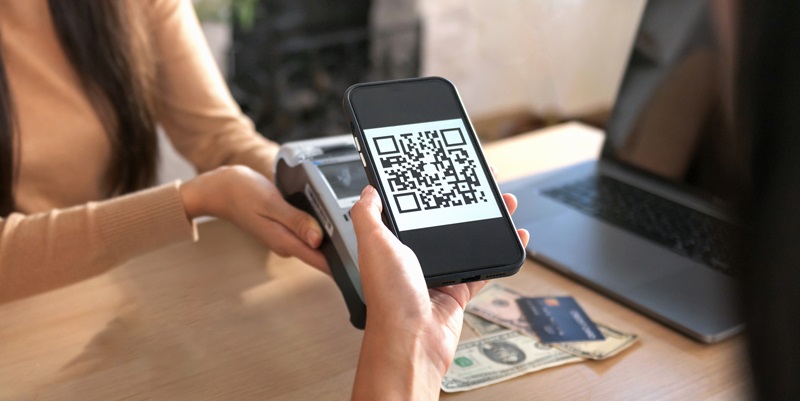
In a significant development aimed at enhancing the digital payments landscape, Network International, in collaboration with NPCI International Payments Ltd. (NIPL), announced a groundbreaking partnership to facilitate the acceptance of Unified Payments Interface (UPI) QR code-based payments across Network’s point-of-sale (POS) terminals throughout the United Arab Emirates (UAE). This initiative is poised to transform the payment experience for Indian tourists and expatriates in the UAE by offering a familiar and efficient payment method. With this venture, Network International seeks to harness the growing influx of Indian visitors to the UAE, promising to revolutionize the digital payments ecosystem in the region.
Enhanced Payment Experience for Indian Tourists
The primary advantage of integrating UPI into UAE POS terminals is the seamless and familiar payment experience it offers to Indian tourists. With over 350 million active users, UPI is India’s largest real-time payments system. Many Indian tourists already use UPI regularly in their home country, making the payment process in the UAE intuitive and stress-free. This familiar payment environment means that travelers do not need to learn a new system or undergo the hassle of currency conversion rates, thus enhancing their travel experience significantly.
Furthermore, rolling out UPI payments at high-traffic locations in the UAE, such as Dubai Mall and Mall of the Emirates, ensures that Indian tourists can enjoy the convenience of digital payments without the need to carry large amounts of cash. This strategy not only provides added security but also streamlines their shopping, dining, and entertainment experiences. As the number of Indian visitors to the UAE is projected to reach 5.29 million in 2024, this integration addresses a substantial need in the tourism sector, providing a frictionless travel experience that is both secure and convenient for tourists.
Economic Benefits for Merchants
For merchants in the UAE, the integration of UPI payments represents a significant economic opportunity. Indian tourists constitute a substantial portion of the consumer base, and by accepting a preferred payment method, businesses can potentially drive higher sales. UPI allows for quick and secure transactions, reducing the likelihood of payment failures while enhancing customer satisfaction. This increased reliability can lead to more seamless and repeat transactions, turning one-time tourists into loyal customers.
Additionally, UPI’s scalable and secure infrastructure helps merchants streamline their payment processes. By minimizing the challenges associated with cash handling, merchants can improve operational efficiencies. This can lead to a reduction in transaction costs and improved bottom lines, making UPI integration a win-win situation for both businesses and customers. Improved transaction security and faster processing times mean that merchants can serve more customers efficiently, without the disruptions often associated with cash and card payments.
Technological Advancements and Security
From a technological perspective, the integration of UPI into UAE’s POS terminals is a significant step towards realizing the country’s ambition of becoming a global digital hub. UPI’s success in processing over 14.04 billion transactions in May 2024 alone showcases its reliability and effectiveness. By adopting UPI, the UAE is leveraging a proven digital payment system known for its robust security measures. This adoption not only aligns with the UAE’s vision of technological advancement but also sets a precedent for other countries looking to modernize their payment systems.
The shift towards digital payments also aligns with global trends, where contactless and secure payment methods are becoming increasingly popular. This transition not only enhances the user experience but also reduces the risks associated with cash transactions. For Indian tourists, the comfort of knowing that their financial data is protected by UPI’s advanced security features adds an extra layer of confidence in using this payment method abroad. The seamless nature of the payment process coupled with robust encryption measures ensures that users can transact without fear of fraud or data breaches.
Impact on Cashless Economy and Financial Inclusion
The integration of UPI in UAE POS terminals aligns with the global movement towards cashless economies. By providing an efficient digital payment option, the UAE can reduce its dependence on cash transactions. This transition promotes financial inclusion, allowing more people to partake in the digital economy without the barriers posed by traditional banking systems. As more merchants adopt UPI, the reliance on cash will diminish, paving the way for a more connected and inclusive financial ecosystem.
The introduction of UPI can also encourage other countries to adopt similar systems, facilitating a more connected global payment network. As more countries embrace digital payment solutions, financial transactions become more streamlined and efficient, promoting economic integration on a broader scale. For Indian tourists, this means a smoother travel experience with fewer constraints on their financial activities abroad. The ease of using a familiar payment method overseas can greatly enhance the travel experience, making international trips more enjoyable and hassle-free.
Strategic Rollout and Future Prospects
Network International operates a vast network of over 200,000 POS terminals across more than 60,000 merchants in various sectors, including retail, hospitality, transportation, and supermarkets. The phased rollout of UPI acceptance will initially target high-traffic areas, optimizing the reach and impact of this payment method. This strategic deployment ensures that the benefits of UPI are most effectively realized where they are needed the most. This thoughtful approach allows for smoother adaptation, giving both merchants and consumers time to adjust to the new system seamlessly.
The success of this partnership could pave the way for similar collaborations in other regions with large Indian diaspora populations. As UPI continues to expand its international presence, more countries may adopt this system to cater to Indian tourists and expatriates, enhancing the global digital payments network. This initiative not only benefits Indian tourists but also contributes to the broader goal of a globally interoperable digital payments ecosystem. Such partnerships serve as prototypes for future international payment solutions, setting benchmarks for security, efficiency, and user convenience.
Leadership Perspectives and Industry Trends
In a notable move to improve the digital payments sector, Network International has partnered with NPCI International Payments Ltd. (NIPL) to introduce UPI QR code-based payments across its point-of-sale (POS) terminals in the United Arab Emirates (UAE). This collaboration aims to significantly enhance the payment experience for Indian tourists and expatriates in the UAE by providing a convenient and recognizable payment method. The introduction of UPI at Network’s POS terminals is set to capitalize on the increasing number of Indian visitors to the region, offering a seamless and efficient payment solution.
Network International’s strategic initiative in the UAE represents a major step toward revolutionizing the digital payments landscape in the region. This partnership not only caters to the large Indian demographic in the UAE but also aligns with the global trend of promoting cashless transactions. By leveraging the familiarity and efficiency of UPI, Network International aims to set a new standard for digital payments, creating a robust and user-friendly platform that will benefit both merchants and consumers alike.