

Introduction
In an era where online transactions dominate commerce, the staggering $40 billion annual loss to payment fraud, coupled with a 69% yearly increase in fraud rates, paints a troubling picture for merchants worldwide, highlighting the urgent need for innovative solutions in e-commerce. This financial burden, alongside the $443 billion lost to false positives—legitimate transactions wrongly flagged as fraudulent—underscores a pressing demand for change. The partnership between UATP, a global payment network, and Burbank, a pioneer in payment technology, steps into this gap with a groundbreaking approach to secure online payments.
The purpose of this FAQ article is to address key questions surrounding this collaboration and its flagship innovation, Card-Present over Internet (CPoI®) technology. Readers will gain insight into how this solution tackles fraud, reduces costs, and enhances security for both merchants and consumers, with a particular focus on the airline industry initially.
By exploring the mechanics, benefits, and implications of this technology, the content aims to provide a clear understanding of its potential to transform digital payments. Expect detailed answers supported by relevant data and expert perspectives, shedding light on a pivotal shift in online transaction security.
Key Questions or Topics
What Is the UATP and Burbank Partnership About?
The collaboration between UATP and Burbank centers on integrating cutting-edge payment technology to address persistent challenges in online commerce. UATP, known for simplifying payment processes for organizations globally, has joined forces with Burbank, the innovator behind the world’s first Card-Present over Internet (CPoI®) solution. This partnership seeks to redefine how card-present transactions are conducted in digital spaces, starting with airline merchants before expanding to other sectors.
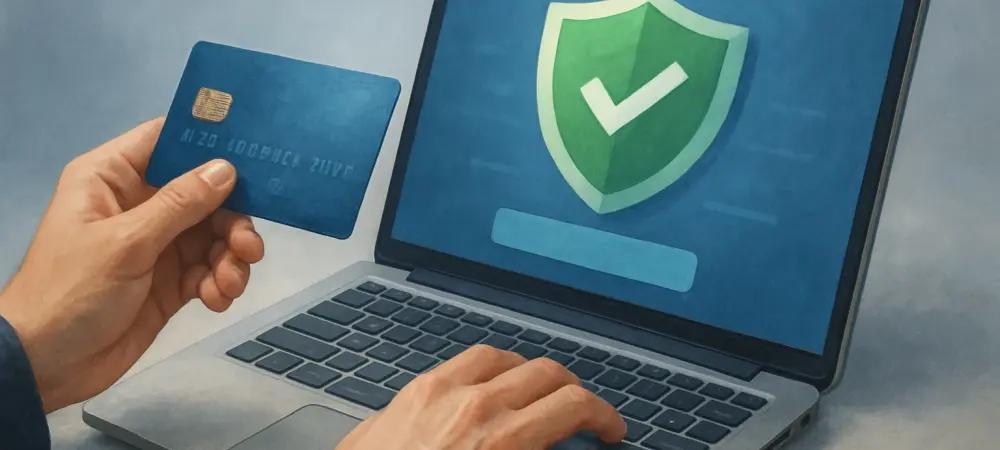
A significant issue in e-commerce is the vulnerability of card-not-present (CNP) transactions, which often result in higher fraud rates and costly chargebacks. By embedding Burbank’s CPoI® technology into UATP’s payment framework, the initiative allows online transactions to be processed with the same security as in-store purchases. This means customers can tap their payment cards on mobile devices and enter a PIN, effectively turning phones into point-of-sale (POS) terminals.
The importance of this development lies in its potential to bridge the security gap between physical and digital payments. With fraud and false positives costing merchants billions annually, this solution offers a timely response to market demands for safer, more efficient transaction methods, as highlighted by industry leaders from both organizations who emphasize the transformative impact on merchant profitability and consumer trust.
How Does CPoI® Technology Work?
CPoI® technology represents a novel approach to online payments by replicating the in-store payment experience in a digital environment. At its core, the system transforms a customer’s mobile device into a POS terminal, enabling them to physically tap their payment card on the phone and input a PIN for verification. This process ensures that transactions are processed as card-present, a classification that traditionally offers higher security than CNP transactions.
The significance of this mechanism is rooted in the persistent challenge of securing online payments without sacrificing user convenience. Unlike traditional online transactions that rely on entering card details manually, often leading to higher risks of data theft, CPoI® leverages physical card interaction to authenticate payments. This method not only enhances security but also boosts authorization rates by 5-10% compared to standard online transactions, according to industry estimates.
For merchants, particularly in the airline sector, this technology addresses operational inefficiencies by reducing the dependency on complex fraud detection systems. The direct interaction with a physical card minimizes the likelihood of fraudulent activities, offering a seamless yet secure payment process that aligns with familiar in-store practices, thereby fostering greater confidence among users.
What Are the Benefits for Merchants?
Merchants stand to gain substantially from the UATP-Burbank partnership, especially in terms of financial and operational advantages. One of the primary benefits is liability protection, as transactions processed as card-present shift the responsibility for fraud-related losses to card issuers rather than merchants. This change alleviates a significant burden, especially for industries like airlines that handle high volumes of online bookings.
Cost reduction is another critical advantage, achieved through the elimination of scheme fees associated with CNP transactions and a decrease in chargeback expenses. Additionally, the reduced need for expensive anti-fraud AI systems or intricate 3D Secure protocols translates to lower operational costs. Data indicating a 52% annual increase in chargebacks underscores the urgency of such cost-saving measures in the current e-commerce landscape.
Beyond finances, the technology minimizes fraud and overall risk, protecting merchants from reputational damage caused by frequent chargebacks or security breaches. By establishing CPoI® as a trusted standard, merchants can enhance customer trust while streamlining their payment processes, creating a more sustainable business model in an increasingly digital marketplace.
How Does This Impact Consumers?
From a consumer perspective, the introduction of CPoI® technology simplifies and secures the online shopping experience in meaningful ways. By mimicking the familiar act of tapping a card and entering a PIN as done in physical stores, this solution eliminates the need to input sensitive card information online, a common point of vulnerability in digital transactions.
The enhanced security measures not only protect personal data but also build trust in online platforms, encouraging broader participation in e-commerce. This is particularly relevant for demographics hesitant to shop online due to fraud concerns, as the technology offers a recognizable and safe payment method that mirrors everyday in-store interactions.
Moreover, the accessibility of this system ensures that a wider audience can engage in digital commerce without requiring advanced technical knowledge. The seamless integration of high-security features into mobile devices means consumers can shop confidently, knowing their transactions are safeguarded by the same standards applied to physical card payments, thus fostering a more inclusive online economy.
Why Is This Solution Critical in Today’s Market?
The urgency of adopting advanced payment solutions like CPoI® cannot be overstated given the escalating challenges in online commerce. With fraud rates surging by 69% each year and false positives costing merchants $443 billion annually—where 65% of blocked transactions are legitimate—the inefficiencies of traditional CNP transactions have become unsustainable for businesses across sectors.
This partnership addresses a critical market need by offering a robust alternative that curbs financial losses while improving transaction reliability. The ability to process payments as card-present online directly tackles the root causes of fraud and erroneous transaction declines, providing a lifeline to merchants grappling with shrinking profit margins due to these issues.
Industry experts, including leaders from UATP and Burbank, have pointed to this collaboration as a forward-thinking response to evolving consumer expectations and technological advancements. As digital payments continue to dominate, solutions that prioritize both security and efficiency are essential for maintaining competitive edges, making this innovation a pivotal step toward reshaping the future of e-commerce.
Summary or Recap
The partnership between UATP and Burbank, through the deployment of CPoI® technology, marks a significant advancement in addressing the pervasive issues of online payment fraud, chargebacks, and false positives. Key benefits for merchants include liability protection, reduced processing costs, and minimized fraud risks, while consumers enjoy a secure, familiar payment experience that boosts trust in digital transactions.
This FAQ highlights how the technology transforms mobile devices into POS terminals, enabling card-present transactions online with enhanced authorization rates and security. The focus on the airline industry as an initial target demonstrates the solution’s potential for scalability across other sectors, promising widespread impact.
For those seeking deeper insights, exploring resources on payment security trends or industry reports on e-commerce fraud can provide additional context. Such materials often detail emerging technologies and strategies that complement innovations like CPoI®, offering a broader perspective on the evolving landscape of digital payments.
Conclusion or Final Thoughts
Reflecting on the transformative journey of the UATP and Burbank collaboration, it becomes evident that their efforts tackle some of the most daunting challenges in online commerce with remarkable ingenuity. The introduction of CPoI® technology stands as a beacon of progress, delivering tangible benefits that reshape how merchants and consumers interact in digital spaces.
Moving forward, stakeholders are encouraged to evaluate how adopting such innovative payment solutions could strengthen their operational frameworks or personal shopping habits. Exploring pilot programs or engaging with industry updates on this technology offers a practical next step toward embracing enhanced security and efficiency.
Ultimately, this partnership illuminates a path toward a more secure digital economy, urging all involved to consider the long-term advantages of integrating cutting-edge tools into everyday transactions. Staying informed and adaptable remains key to leveraging these advancements for sustained success in an ever-evolving market.