

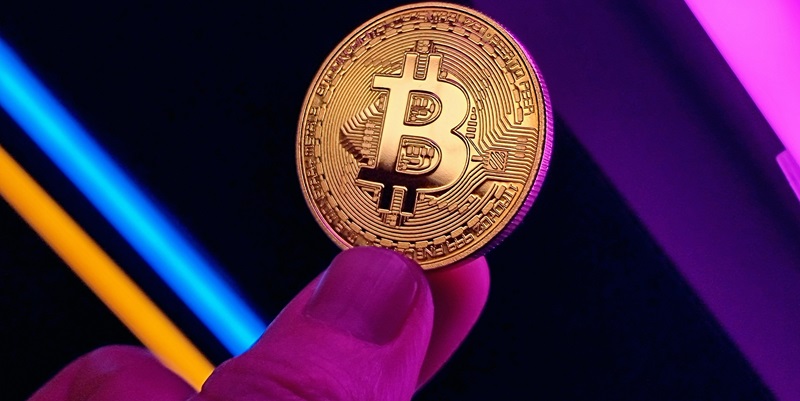
As Donald Trump secures his re-election in the 2024 U.S. presidential election, many eyes are turning towards the cryptocurrency market, especially Bitcoin, to gauge its future trajectory. Under his renewed presidency, Bitcoin has flirted with a near all-time high of $75,000, reflecting Trump’s pro-crypto stance and promised regulatory reforms. His endorsement and the prospective introduction of a federal Bitcoin standard, coupled with reduced regulatory burdens, have dramatically bolstered market confidence. This situation has not only benefited Bitcoin but has also provided upward momentum for other digital assets such as Ethereum and Dogecoin.
Major corporations like Coinbase and MicroStrategy are experiencing significant stock price increases, stemming from Trump’s favorable policies toward digital currencies. Brian Armstrong, CEO of Coinbase, lauded Trump’s victory as a considerable win for the crypto community. Long-term forecasts are now suggesting that Bitcoin might surpass the $100,000 mark, supported by rising investment and anticipated favorable regulatory changes. Analysts are speculating that impending modifications to tax policies and SEC regulations will enhance the legal environment for crypto investments, further strengthening the market.
The immediate aftermath of Trump’s re-election showed a marked increase in Bitcoin ETFs’ trading volumes, particularly for BlackRock’s iShares Bitcoin Trust (IBIT), which recorded over $4.1 billion on Election Day alone. This surge in trading volumes is a clear indicator of heightened investor interest, pointing towards a future where sustained demand and ETF investments could propel Bitcoin’s price further upward. This growing interest is encouraging many asset managers to apply for diversified cryptocurrency ETFs, cementing cryptocurrencies’ role in the global financial markets.
Overall, Trump’s pro-crypto policies have reignited the cryptocurrency market, leading to increased trading activity, broader acceptance across various financial sectors, and optimistic projections for future growth. This analysis highlights a unified trend of rising market confidence and sustained investment interest in digital assets and related investment vehicles under Trump’s leadership. The renewed vigor in the market not only promises immediate benefits but also heralds a potentially transformative era for cryptocurrencies, poised to integrate even deeper into the global financial system.