

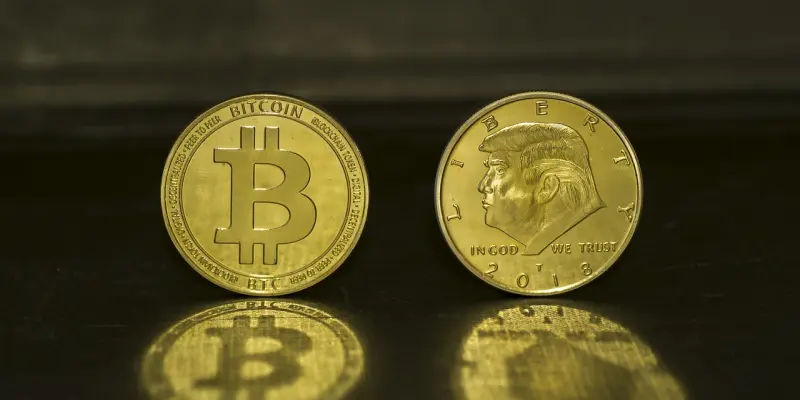
Donald Trump’s landmark decision to establish a U.S. cryptocurrency reserve encompassing major digital assets such as Bitcoin, Ethereum, XRP, Solana, and Cardano has set the cryptocurrency world abuzz. The announcement, made on March 2nd through his social media platform Truth Social, led to a significant rally in the cryptocurrency market. Bitcoin and Ethereum saw remarkable increases of over 11% and 13%, respectively, triggering a market surge that added more than $300 billion in value, translating to a total cryptocurrency market upsurge of approximately 10%.
Trump’s Pro-Crypto Stance
Institutional Adoption and Regulatory Clarity
Unlike his predecessor, former President Joe Biden, who imposed stringent regulations on digital assets, Trump’s initiative underscores his pro-crypto stance. This move is expected to foster faster institutional adoption and heightened regulatory clarity, positioning the United States as a frontrunner in digital asset innovation. Federico Brokate from 21Shares highlighted the importance of this governmental shift towards embracing cryptocurrencies, noting how it could propel the U.S. into a leadership role within the global digital asset arena. Trump’s inclusive approach to different cryptocurrencies signifies a wider acceptance of the entire crypto technology sector.
James Butterfill of CoinShares further noted that Trump’s initiative, especially his inclusion of assets beyond Bitcoin, such as Ethereum and Solana, indicates a more comprehensive support for the entire blockchain technology space. This wider embrace is significant as it signals to institutions and investors that the U.S. government is committed to recognizing and nurturing the growth of a broad spectrum of digital assets. This multifaceted support is a notable departure from previous policies and is expected to attract a wave of institutional interest and investment, which could drive the market to new heights.
The 2024 Campaign and Industry Cooperation
As Trump gears up for his 2024 presidential campaign, he has resonated deeply with the cryptocurrency community, promising to prioritize their interests. His campaign strategies reflect robust support from this burgeoning industry, reinforcing his commitment to integrating digital assets into the mainstream financial ecosystem. Scheduled to host the first White House Crypto Summit on March 7th, Trump aims to engage directly with industry leaders and stakeholders to cultivate a conducive environment for innovation and growth. This summit is expected to serve as a platform for discussing critical issues such as regulatory frameworks, technological advancements, and future growth prospects.
In another significant move, Trump’s administration has shown a cooperative approach towards the cryptocurrency industry by easing certain regulations. For instance, his administration dropped the lawsuit against Coinbase, symbolizing a shift towards a more collaborative relationship with crypto firms. This leniency in regulatory enforcement is anticipated to provide a more stable and predictable operating environment for businesses within the digital asset space. Through these actions, Trump is laying the groundwork for a more inclusive and nurturing ecosystem, which could ultimately lead to greater confidence among investors and more robust market activity.
Market Predictions and Congressional Debate
Bitcoin’s Predicted Growth
Analysts and market experts are speculating about the potential growth trajectories of major cryptocurrencies in light of Trump’s initiatives. Geoff Kendrick, a prominent analyst, has predicted that Bitcoin could reach an astonishing $500,000 before the end of Trump’s term. This ambitious forecast is supported by growing interest from institutional investors, including banks, sovereign funds, and hedge funds, who are increasingly looking towards cryptocurrency investments as a legitimate and lucrative option. The anticipation of such substantial growth is likely to spur a wave of retail and institutional investments, further fueling market momentum.
Kendrick’s optimistic view aligns with the broader sentiment within the crypto community that the establishment of a U.S. cryptocurrency reserve could serve as a powerful catalyst for market expansion. The influx of significant capital from institutional players is expected to provide the necessary liquidity and stability required to propel the market to unprecedented levels. Furthermore, the broader acceptance and endorsement of cryptocurrencies by a major economy like the United States is likely to have a positive ripple effect globally, encouraging other nations to adopt similar initiatives.
Legislative Considerations
Congress is likely to engage in rigorous debate regarding the implications of Trump’s cryptocurrency reserve initiative. Lawmakers will need to address various issues, including the regulatory framework required to govern such a reserve, the potential economic impact, and the measures needed to protect investors. The discourse will also likely focus on ensuring that the initiative aligns with the broader objectives of financial stability and security. As the legislative process unfolds, the cryptocurrency community will be closely watching to see how these decisions will shape the future landscape of digital assets in the U.S. and beyond.