

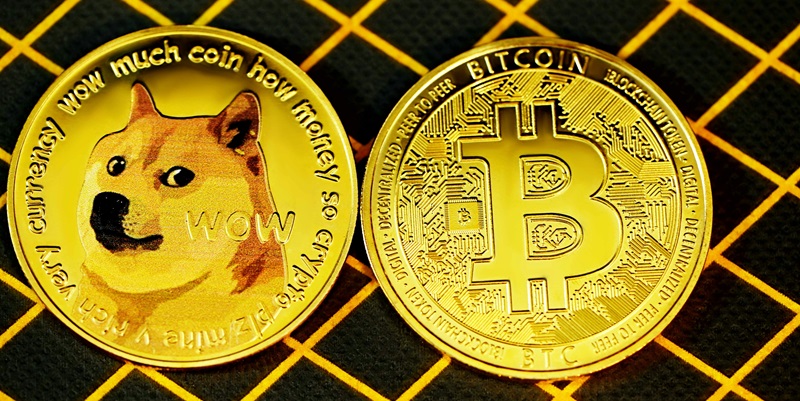
Spirit Blockchain Capital Inc. recently announced its intent to acquire Dogecoin Portfolio Holdings Corp., a move that marks a significant milestone for both the cryptocurrency market and blockchain technology sector. The acquisition is seen as a strategic maneuver designed to enhance Spirit Blockchain Capital’s market positioning within the digital assets sphere. Dogecoin, known for its robust market presence and a capitalization exceeding $16 billion, is expected to be a strategic asset for Spirit, further diversifying and expanding its offerings.
Acquisition Details and Financial Terms
Terms and Conditions of the Acquisition
Spirit Blockchain Capital Inc. plans to purchase all issued securities of Dogecoin Portfolio Holdings Corp., including common shares and warrants. This will be facilitated by issuing 14,000,000 of its own common shares along with an equal number of share purchase warrants. The warrants, featuring an exercise price of $0.05 per share and valid for a period of 24 months, are part of the integration of Dogecoin Holdings’ unique assets. Among these are proprietary technology geared towards Dogecoin-focused exchange-traded fund (ETF) platforms and a developing Dogecoin payment gateway. Additionally, Dogecoin Holdings boasts cash reserves of $383,000 and significant goodwill from its founders, which are expected to contribute long-term value for shareholders of both companies.
The structure of the acquisition also includes governance measures aimed at balancing the interests of both parties. For instance, one-third of the shares issued to Dogecoin Holdings shareholders will be tradable immediately after the acquisition is finalized, while the remaining shares will be subject to lock-up arrangements. These shares will unlock upon reaching specific share price thresholds of $0.10 and $0.18. Moreover, Dogecoin Holdings shareholders will appoint a representative to Spirit’s board, ensuring their interests are well-represented. Lewis Bateman has been designated to vote Dogecoin Holdings’ shares at Spirit shareholder meetings for a period of 36 months, thereby aligning with Spirit’s management.
Financial Impact and Long-Term Benefits
With Spirit Blockchain Capital poised to integrate Dogecoin Holdings’ assets, the acquisition notably brings intellectual property tied to the ETF platform and a developing payment gateway for Dogecoin, which are crucial components expected to drive future revenue through transaction fees. This focus on harnessing Dogecoin’s tech capabilities ensures that both retail and institutional investors can benefit from enhanced utility and appeal. The establishment of a Dogecoin ETF platform alongside a streamlined payment gateway is anticipated to facilitate structured investments and diversified transactions, aligning perfectly with Spirit’s objective of fostering innovative digital asset products and expanding its revenue channels.
Significantly, Dogecoin’s rising popularity, bolstered in part by endorsements from influential figures such as Elon Musk, positions Spirit to leverage this cultural momentum. By integrating assets from Dogecoin Holdings, Spirit is poised to significantly enhance Dogecoin’s utility and adaptability in the market. The prospective ETF platform and payment gateway will enable Spirit to introduce new, structured financial products designed for a varied investor base. Collectively, these strategies aim to underscore Spirit’s commitment to bringing novel solutions to the decentralized finance (DeFi) landscape.
Broader Implications and Future Prospects
Alignment with Blockchain Innovation
Spirit’s forward-looking approach, exemplified by this acquisition, underscores its dedication to blockchain innovation and the broader decentralized finance ecosystem. By incorporating the technology and market expertise of Dogecoin Holdings, Spirit aims to expand Dogecoin’s market presence and overall utility. With the acquisition nearing completion pending the necessary approvals from the Canadian Stock Exchange, Spirit is optimistic about the future. The integration of Dogecoin Holdings’ technologies with Spirit’s existing blockchain capabilities is envisioned to significantly enrich Spirit’s portfolio.
Moreover, this acquisition is expected to catalyze growth within the decentralized finance and digital asset management sectors, thereby meeting the rising demand for diverse crypto-based investment vehicles. Spirit’s strategic move to synthesize Dogecoin Holdings’ market position with its own resources could potentially lead to disruptive innovations within the digital asset space. This aligns with broader market dynamics where there is a growing interest in decentralized technologies capable of offering robust financial solutions.
Long-Term Vision and Objectives
Spirit Blockchain Capital Inc. has announced a significant move to acquire Dogecoin Portfolio Holdings Corp., marking a pivotal moment in both the cryptocurrency market and blockchain technology sectors. This acquisition is viewed as a strategic effort to boost Spirit Blockchain Capital’s stance within the digital assets arena. With Dogecoin’s strong market presence and a market cap surpassing $16 billion, this acquisition is anticipated to serve as a strategic asset for Spirit. Not only will this move diversify Spirit’s portfolio, but it also enhances its range of offerings substantially. This acquisition exemplifies how Spirit Blockchain Capital aims to solidify its market position and leverage the robust growth and popularity of Dogecoin to its advantage. By integrating Dogecoin into its portfolio, Spirit seeks to attract more investors and expand its influence in the rapidly evolving digital assets space. As the cryptocurrency and blockchain technology markets continue to grow, this strategic acquisition positions Spirit Blockchain Capital for future growth and success in the competitive landscape.