

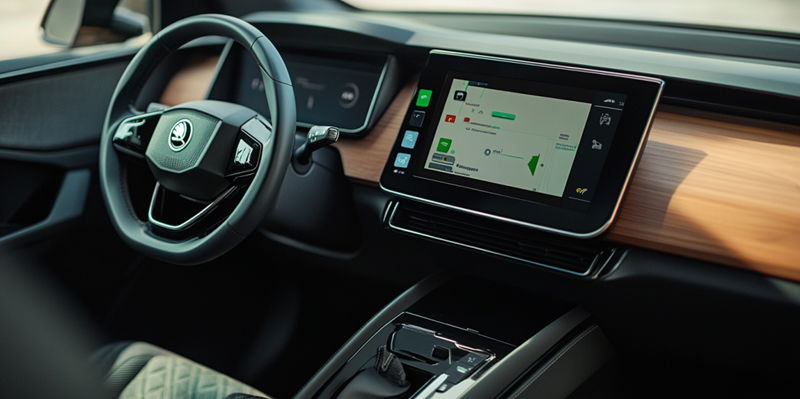
In the evolving landscape of automotive technology, Škoda, a well-respected Czech automobile manufacturer, has embarked on an innovative collaboration with Parkopedia to elevate in-car payment services. This partnership seeks to streamline vehicle-based transactions, providing real-time notifications to assist drivers in locating parking and fueling stations that support in-car payments. The goal is to boost convenience for vehicle owners and ensure a seamless and connected driving experience. Parkopedia, renowned for its accurate and comprehensive parking data services, facilitates these transactions for parking, fueling, and charging globally, further enhancing the user experience.
The Need for Enhanced In-Car Payment Solutions
Addressing Common Pain Points
Škoda, a subsidiary of the Volkswagen Group, offers a diverse array of vehicles, from fuel-powered models such as the Fabia and Kodiaq to an expanding electric vehicle (EV) lineup including the upcoming Elroq and Enyaq. Recognizing the necessity for improved in-car payment solutions, Škoda has introduced a ‘nudging’ functionality within the infotainment systems of its vehicles. This feature notifies drivers when they approach locations that support in-car payments, significantly reducing the hassles associated with traditional payment methods.
The initial rollout of this feature will commence in Q2 2024, specifically targeting fuel-powered models. The subsequent phases will see its integration across Škoda’s EV range and other models by 2025. This service addresses common challenges faced by drivers, such as out-of-order parking machines and the inconvenience of carrying cash. It aligns perfectly with the increasing demand for contactless, in-car payment options. By integrating these functionalities, Škoda aims to provide a smoother and more stress-free driving experience for its customers.
User Preferences and Industry Trends
Recent findings from Parkopedia’s Global Driver Survey underscore the rising preference for in-car payment systems among European drivers, with 59% expressing a desire to use their car’s media system for parking payments. This trend signifies a broader shift within the automotive industry towards technology-enhanced solutions that mitigate driver stress and distractions. Such advancements are not merely technological upgrades; they are integral to fostering a more enjoyable and seamless driving experience.
Škoda’s commitment to this technological pivot further cements its reputation as a driver-centric brand. The integration of in-car payment notifications and services reflects a deep understanding of what modern drivers need and expect. By adopting such forward-thinking strategies, Škoda is not only enhancing convenience but also maintaining its competitive edge in a rapidly evolving market. This initiative showcases the company’s dedication to leveraging technology to improve everyday driving experiences.
The Impact on Customer Satisfaction and Loyalty
Simplifying the Payment Process
Markus Dohl from Parkopedia emphasized the tangible benefits of the new feature, highlighting that it streamlines the payment process by providing drivers with convenient in-car payment notifications. This convenience significantly boosts brand satisfaction and customer loyalty. By simplifying how drivers pay for parking, fueling, and charging, Škoda and Parkopedia are addressing a crucial aspect of the driving experience, thereby enhancing overall user satisfaction.
Martin Handl from Škoda echoed similar sentiments, noting that the new in-car payment feature is designed to alleviate the stress often associated with vehicle-based purchases. This stress reduction translates to a more enjoyable driving experience, reinforcing Škoda’s customer-centric approach. Through such innovations, Škoda is not only meeting current consumer demands but is also setting new standards in automotive convenience and customer service.
Future Developments and Broader Integration
In the ever-evolving realm of automotive technology, Škoda, a renowned Czech car manufacturer, has embarked on an innovative partnership with Parkopedia to enhance in-car payment services. This collaboration aims to streamline vehicle-based transactions by providing real-time notifications that assist drivers in locating parking and fueling stations which support in-car payments. The primary objective is to boost convenience for car owners, ensuring a seamless and connected driving experience. Parkopedia, famous for its accurate and comprehensive parking data services, facilitates these transactions not only for parking but also for fueling and charging stations globally. This integration significantly augments the user experience, making it easier for drivers to manage payments directly from their vehicles. Additionally, this forward-thinking collaboration represents a significant step towards the future of smart automotive solutions, positioning Škoda at the forefront of technological innovation in the automobile industry, and enhancing the overall driving experience for its users.